
Main Courses
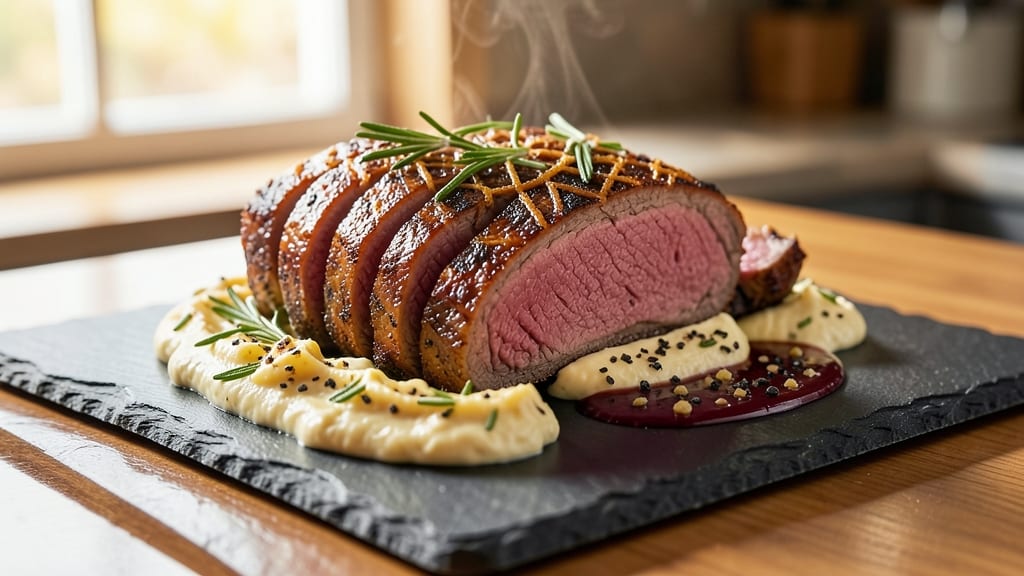
Alton Brown's beef tenderloin recipe delivers that juicy pink center we all crave while keeping the outside perfectly seared—no guessing required. I first learned this technique from a butcher in Portland who swore by the "reverse sear" method, and it changed how I approach cooking tender cuts forever.
The secret lies in precise temperature control and patience, two things that transform a simple protein into something restaurant-worthy.
This method starts with a low-and-slow roast in the oven, ensuring even cooking without drying out the meat. The real magic happens when you finish with a quick sear in a screaming-hot skillet—this creates that caramelized crust while locking in all the juices inside.
It's a foolproof technique that even home cooks can master, and the results speak for themselves: tender, melt-in-your-mouth beef with a flavorful bark that makes every bite worth it.
What sets this recipe apart is how it balances simplicity with professional results. You'll need just a few high-quality ingredients—a well-marbled tenderloin, kosher salt, black pepper, and butter for basting—and about 2 hours of active and passive cooking time.
The best part? No fancy equipment beyond a meat thermometer and a sturdy skillet. This is the kind of dish that turns weeknight dinners into special occasions without the fuss.
Serve it with roasted garlic mashed potatoes or a crisp green salad to let the beef take center stage. The leftovers reheat beautifully too, making it perfect for meal prep. Let’s get cooking—this tenderloin will impress even the most skeptical dinner guests.
Ingredients for alton brown beef tenderloin
Four ingredients transform simple beef into restaurant-quality perfection—just like Alton Brown's method.
| Ingredient | Amount | Notes |
|---|---|---|
| Beef Tenderloin 🥩 | 3 lb | Center-cut, well-marbled |
| Kosher Salt 🧂 | 1 ½ tsp | Diamond Crystal preferred |
| Freshly Ground Black Pepper 🌶️ | 1 tsp | Coarse grind preferred |
| Unsalted Butter 🧈 | ½ cup | Cold, cubed for basting |
| Fresh Rosemary 🌿 | 2 sprigs | Woody stems removed |
| Garlic Cloves 🧄 | 6 cloves | Smashed, skin-on |
| Extra-Virgin Olive Oil 🫒 | 1 tbsp | For finishing sear |
| Fresh Thyme 🌿 | 2 sprigs | Leaves only |
| Bacon Fat 🥓 | 2 tbsp | Reserved from cooking |
The beef tenderloin is non-negotiable here. Look for a center-cut roast with good marbling—this ensures both tenderness and flavor. Whole Foods Market or high-end butchers often carry the best quality, but even your local grocery store's premium section works if you choose carefully. Avoid tenderloins with excessive silver skin or pale color, as these indicate lower quality. For optimal results, trim any visible fat or silver skin before seasoning. The 3-pound center-cut is ideal for four servings, leaving room for generous slices. If you're unsure about the cut, ask your butcher for a 'filet mignon' or 'tenderloin'—they'll know exactly what you need.
No fresh rosemary? Dried rosemary at half the amount works in a pinch, though fresh delivers that piney aroma that elevates the dish. Short on thyme? Fresh oregano or marjoram are suitable substitutes, though thyme's earthy notes are preferred. The bacon fat adds richness—if you don't have any, render your own from thick-cut bacon or use an extra tablespoon of butter. For the olive oil, avoid light or refined varieties—stick to extra-virgin for the finishing touch. The garlic should be smashed but not minced; this prevents it from burning during the sear. Prefer your garlic peeled? Do it just before cooking to preserve freshness.
This recipe rewards patience. Store the beef uncovered on a wire rack in the fridge for up to 24 hours before cooking—this enhances the crust. Once cooked, let the tenderloin rest for 15-20 minutes before slicing; this ensures juices redistribute. The finished roast keeps well in the fridge for 3-4 days, though it's best enjoyed within 24 hours. For meal prep, slice against the grain and store in an airtight container with a thin layer of butter on top to retain moisture. Reheat gently in a skillet or oven to preserve tenderness.
Why You'll Love This Recipe
- No-Fuss Roast: I swear, this recipe takes less time than deciding what to watch on Netflix. Just season, sear, and let the oven do the work—no basting, no fussing, just that perfect rosemary-butter crust forming on its own.
- Rosemary Butter Magic: That moment when you slice into tenderloin so juicy it practically melts, with crispy edges from the brown butter and fresh rosemary cutting through like a whisper of the Mediterranean? Honestly, it’s the kind of flavor that makes you want to slow down dinner for no reason.
- Weeknight Hero: Between us, this is my go-to when I’m feeding a crowd but still want to eat at 6:30. Slice it thick for sandwiches, thin for tacos, or just serve it as-is—it’s that kind of reliable. Even my picky teenager asks for seconds.
- Leftovers That Don’t Suck: Most roast leftovers turn into sad, dry hockey pucks. Not this. The butter keeps it moist for days, and I’ve turned it into breakfast hash, lunch wraps, and even loaded fries—no one complains, and I save money by stretching one roast into three meals.
Step-by-step instructions for alton brown's beef tenderloin recipe
Master this technique and you'll achieve a beef tenderloin with a perfect pink center every time.
Prepare the Beef Tenderloin with Herb Butter
Remove the beef tenderloin from the refrigerator and pat it dry thoroughly with paper towels. This essential step ensures maximum browning and crust formation. Place the tenderloin on a cutting board and make several shallow cuts about ¼-inch deep across the fat cap using a sharp boning knife. These cuts allow the herb butter to penetrate deeply during cooking.
In a small bowl, combine the ½ cup unsalted butter, 2 sprigs fresh rosemary (leaves only), 2 sprigs fresh thyme (leaves only), 1 tsp freshly ground black pepper, and 1.5 tsp kosher salt. Mix well with a fork until the butter is fully coated with seasoning and herbs. Using your fingers, gently press this herb butter mixture into the cuts you made in the beef tenderloin, coating all sides thoroughly.
Create the Bacon Fat Crust
Heat a large oven-safe skillet over medium-high heat and add the 2 tablespoons bacon fat. Allow it to heat until shimmering but not smoking. Place the seasoned beef tenderloin into the skillet, fat-side down, and sear for 3-4 minutes until a deep golden-brown crust forms. This initial sear creates the foundation for your crust.
Carefully flip the tenderloin and sear the other side for an additional 3-4 minutes until equally browned. Remove the skillet from heat and transfer the beef tenderloin to a wire rack set over a rimmed baking sheet. This elevated position allows for proper air circulation and even cooking.
Sear with Olive Oil for Enhanced Flavor
Return the skillet to the stove over medium heat and add the 1 tablespoon extra-virgin olive oil. Allow it to heat until just smoking point. Using tongs, carefully place the seared beef tenderloin back into the skillet, turning it to coat all sides with the hot oil. This step enhances the crust and adds depth of flavor. Sear for 1-2 minutes per side until the oil is fully absorbed and the surface is glossy.
Remove the beef tenderloin from the skillet and transfer it to a plate. Let it rest for 5 minutes at room temperature before proceeding to the oven. This brief rest allows the surface to set slightly, preventing excessive juices from escaping during the final cooking stage.
Roast to Perfect Medium-Rare
Preheat your oven to 400°F. Place the beef tenderloin on a rack set in a roasting pan. Roast for 15-20 minutes for a 3 lb tenderloin, or until the internal temperature reaches 125°F when measured with a meat thermometer inserted into the thickest part. This temperature ensures a perfect medium-rare center with a juicy pink interior.
During the final 5 minutes of roasting, increase the oven temperature to 425°F to create a crispy exterior. Watch closely as the temperature rises—you want the surface to develop a beautiful mahogany crust while maintaining that perfect pink center. The high heat at the end caramelizes the surface sugars, adding depth of flavor.
Rest and Slice for Maximum Juiciness
Remove the beef tenderloin from the oven and transfer it to a cutting board. Let it rest for 10-15 minutes before slicing. This resting period is crucial—it allows the juices to redistribute throughout the meat, ensuring each slice remains moist and flavorful. During this time, tent the beef loosely with aluminum foil to keep it warm.
Slice the beef tenderloin into 1-inch thick medallions against the grain for maximum tenderness. Each slice should reveal a perfect pink center surrounded by a crispy, flavorful crust. Serve immediately with your favorite sides to enjoy the full experience of this restaurant-quality dish.
Pro Tips For Making Alton Brown Beef Tenderloin
- SEAR IN BATCHES: Don’t overload the pan—cut the tenderloin into 1-inch thick medallions and sear them in two rounds if needed. I learned this the hard way when I tried to cook the whole thing at once and ended up with steamed butter instead of a crust.
- DRY THE ROSEMARY: Pat those rosemary sprigs thoroughly with a paper towel before tying them onto the meat. Wet herbs burn fast and turn bitter—this keeps them fragrant and crispy the whole time.
- DON’T SKIP THE REST: Give the meat a solid 5-10 minutes under foil before slicing, even if it feels like forever. I know, I know—you’re hungry—but cutting too soon makes it dry and tough. Trust the timer.
- USE COLD BUTTER: Chill the unsalted butter for 10 minutes before adding it to the pan. Melted butter pools instead of basting, and cold butter clings to the meat like a blanket, locking in flavor.
Wine and beer pairings for this alton brown beef tenderloin
Bold Red Wine Pairings
The rich, buttery notes of this beef tenderloin call for a bold red wine with enough structure to stand up to the dish. I always reach for a Cabernet Sauvignon from Napa Valley—its dark fruit flavors and firm tannins complement the herb butter and seared crust beautifully.
A 2018 Cakebread Cabernet from New Seasons Market has been my go-to, but any high-quality Napa Cab will work. For something more accessible, a Malbec from Mendoza offers similar depth with softer tannins. 🍷
Earthy Pinot Noir
If you prefer a lighter option, a Pinot Noir from Oregon's Willamette Valley provides an elegant contrast. The bright acidity and red fruit notes cut through the richness without overpowering the beef.
I love Domaine Serene Pinot Noir—it's a local favorite here in Portland, and the earthy undertones pair perfectly with the rosemary and thyme in the herb butter. Serve it slightly chilled to enhance its vibrant flavors.
Malbec for Hearty Eaters
For those who love their wine with a little more body, a Argentinian Malbec delivers rich dark fruit and velvety texture. The Catena Zapata Malbec is a crowd-pleaser, offering deep plum and blackberry notes that echo the beef's caramelized crust.
This wine also handles the bacon fat beautifully, making it a great choice for heartier palates. 💜
Beer Pairings: Amber Ales
If wine isn't your thing, a well-crafted amber ale bridges the gap between richness and refreshment. I always keep Deschutes Brewery's Mirror Pond Amber Ale on hand—its caramel and toasted malt notes complement the beef's crust while the hoppy finish cleanses the palate.
For something lighter, a Belgian Dubbel like Westmalle Trappist offers a malty sweetness that pairs surprisingly well with the herb butter.
Lager for Balance
A crisp German Pilsner or Belgian Witbier provides the perfect balance to the tenderloin's richness. The St. Bernardus Witbier from New Seasons is my favorite—its citrusy notes and subtle spice cut through the beef's richness while keeping the meal feeling fresh.
The effervescence also helps reset your palate between bites, making it a great choice for larger gatherings. 🍺
Non-Alcoholic Options
Don't drink alcohol? No problem. A sparkling ginger beer like BrewDog Punk IPA (non-alcoholic version) adds a zesty kick that pairs wonderfully with the beef's herbaceous flavors.
For something more traditional, a sparkling apple cider from a local orchard in the Pacific Northwest offers a crisp, slightly tart contrast that enhances the dish's depth. I often serve this at summer barbecues—it's a hit with kids and adults alike! 🍏
Nutrition facts
Frequently asked questions
Why does Alton Brown's method guarantee a juicy pink center?
The reverse sear technique is the secret. By roasting the beef low-and-slow first, you cook it evenly to 125°F internally, then finish with a quick high-heat sear. This preserves moisture while creating that perfect crust. The herb butter basting locks in juices during cooking.
Can I use this recipe for a larger tenderloin than 3 pounds?
Yes, but adjust cooking times. For a 4-pound roast, increase oven time by 10-15 minutes and sear in batches if needed. Use a meat thermometer to check doneness—125°F for medium-rare. The key is keeping the internal temperature consistent throughout the roast.
What's the best way to reheat leftover tenderloin?
Slice the tenderloin against the grain and reheat in a skillet over medium-low heat with a splash of beef broth for 2-3 minutes per side. Never microwave—it makes the meat tough. For larger portions, bake at 300°F until warmed through (10-15 minutes).
Can I substitute bacon fat with something else?
Use 2 tablespoons rendered duck fat or extra butter for similar richness. If you prefer a lighter option, 1 tablespoon olive oil works, though bacon fat gives the best crust. Just ensure your substitute is hot enough to create that signature sear.
How do I know when the beef is done without a meat thermometer?
For medium-rare, press the center with your finger—it should feel slightly soft but spring back when pressed. A 1-inch thick slice should have a warm pink center (not red). For extra confidence, cut into a small piece and check the color. Practice makes perfect!