
Soups & Stews
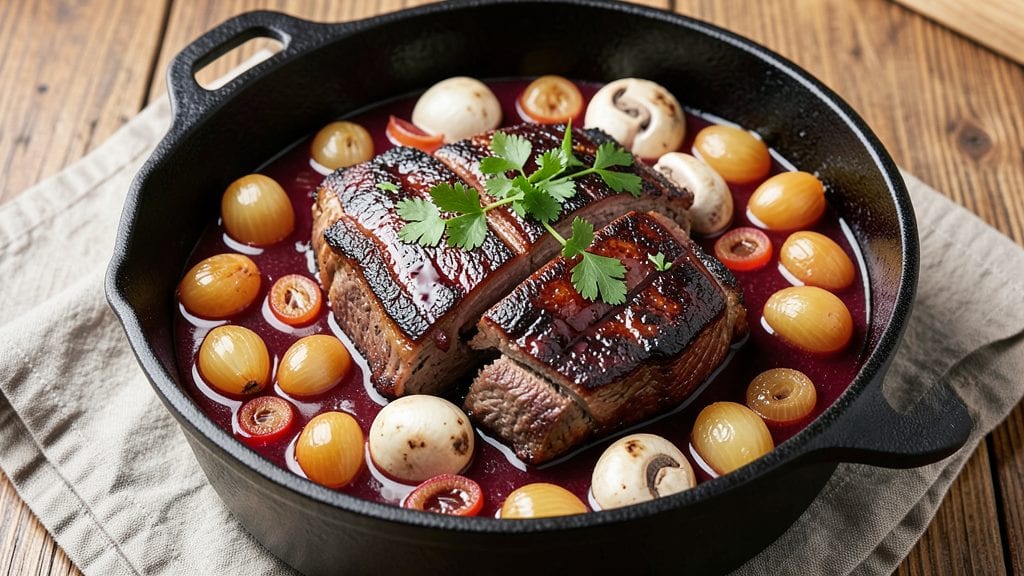
This Pioneer Woman beef bourguignon recipe brings the deep-red wine richness and tender beef chunks that make this French classic unforgettable. The secret lies in slow-cooked layers of flavor—browning the meat, deglazing with wine, and letting it simmer until the beef practically melts in your mouth.
This isn't just a recipe; it's a foolproof method that transforms tough cuts into restaurant-quality bites with minimal effort.
What sets this version apart is the balance of traditional techniques and modern convenience. You'll start with a precise sear to build flavor, then let the red wine and aromatics work their magic over 2 to 3 hours on low heat.
The result? A sauce so rich and velvety it clings to every bite of beef, mushrooms, and pearl onions—no heavy cream required. This is comfort food at its finest, elevated by Pioneer Woman’s signature approach to French cooking.
The beauty of this dish is its versatility—serve it over creamy mashed potatoes, crusty bread, or even buttery pasta to soak up every last drop of that caramelized wine sauce.
The slow cooking ensures the beef stays tender and juicy, while the mushrooms and onions add earthy depth. Once you try this version, you’ll never settle for anything less than homemade.
Perfect for cozy weeknights or special occasions, this bourguignon is designed to impress without stress. The step-by-step process ensures professional results even for home cooks, and the aroma alone will have everyone gathering around the table. Let’s get cooking—your taste buds will thank you.
Ingredients for pioneer woman beef bourguignon
Sixteen ingredients transform into restaurant-quality beef bourguignon with deep wine richness and melt-in-your-mouth beef.
| Ingredient | Amount | Notes |
|---|---|---|
| Beef Chuck Roast 🥩 | 3 lb | Cut into 1.5-inch chunks, trimmed of fat |
| Dry Red Wine 🍷 | 2 cups | Bold variety like Cabernet Sauvignon |
| Beef Broth 💧 | 2 cups | Low-sodium preferred, homemade or store-bought |
| Pearl Onions 🧅 | 1 ½ lb | Peeled, halved lengthwise |
| White Mushrooms 🍄 | 16 oz | Sliced into 1/4-inch pieces |
| Garlic Cloves 🧄 | 6 cloves | Minced, fresh preferred |
| Fresh Thyme 🌿 | ¼ cup | Leaves only, stems removed |
| Fresh Rosemary 🌿 | ¼ cup | Chopped, stems removed |
| Tomato Paste 🍅 | 2 tbsp | Smooth, not chunky |
| All-Purpose Flour 🌾 | 2 tbsp | For dredging beef chunks |
| Olive Oil 🫒 | ½ cup | Extra-virgin for searing |
| Salt 🧂 | 2 tsp | Diamond Crystal kosher salt |
| Black Pepper 🌶️ | 1 ½ tsp | Freshly ground, coarse grind |
| Bay Leaves 🌿 | 2 whole | Fresh preferred, dried works |
| Fresh Parsley 🌿 | ⅛ cup | Chopped, for garnish |
The beef is the backbone of this dish, so don't skimp on quality. Chuck roast is ideal—it's tough enough to benefit from slow cooking but breaks down beautifully. Grab it from the butcher counter if possible, or look for pre-cut chunks in the meat department. If you're buying a whole roast, ask for it to be cut into 1.5-inch pieces; this ensures even cooking. The wine? Cabernet Sauvignon or Merlot work best—they're bold enough to stand up to the beef's richness. Avoid sweet wines; you want dry, tannic varieties. For the mushrooms, cremini or white button both work, but cremini adds a deeper earthiness. If you're using pearl onions, buy them pre-peeled at specialty stores—they're a game-changer for saving time.
No red wine on hand? Beef broth with a splash of balsamic vinegar mimics the acidity and depth, though it won't taste identical. Fresh herbs are ideal, but dried thyme and rosemary at one-third the amount will work in a pinch. The tomato paste can be swapped for 1/4 cup crushed tomatoes if you prefer, though it'll dilute the sauce slightly. For a quicker version, pre-sliced mushrooms save time, but whole mushrooms develop more flavor as they cook. The flour is key for thickening the sauce—don't skip it, but cornstarch works too if you're gluten-free. If you're using dried bay leaves, crush them lightly before adding to release their oils.
This dish tastes even better the next day, so make a double batch if you're feeding a crowd. Store leftovers in an airtight container in the fridge for up to 5 days, or freeze for 3 months. To reheat, warm over low heat with a splash of broth or water to loosen the sauce. The sauce thickens as it cools, so a little liquid goes a long way. Garnish with fresh parsley just before serving—it brightens up the rich flavors. For meal prep, portion the beef and sauce separately and reheat as needed. The sauce reheats beautifully, so you can make it ahead and store it separately until ready to use.
Why You'll Love This Recipe
- Minimal Chopping Required: The pearl onions and mushrooms practically prep themselves—just peel and slice. I swear, my knife barely gets a workout, and the dish still feels like a fancy restaurant plate.
- Wine-Flavor Magic: That dry red wine? It’s not just a liquid—it’s the secret weapon. The deep, earthy notes from the beef broth and wine meld into something rich and complex, like a hug in a bowl.
- Leftovers That Shine: This isn’t the kind of dish that turns into sad fridge leftovers. Reheat it, and it’s even better the next day—perfect for quick lunches or feeding unexpected guests without stress.
- Budget-Friendly Feast: A beef chuck roast stretches farther than you’d think, and the onions and mushrooms add luxury without breaking the bank. Honestly, it’s my go-to for feeding a crowd without overspending.
Step-by-step instructions for deep-red wine braise with tender beef chunks
Here's how to transform tough beef into melt-in-your-mouth tenderness through slow braising.
Sear the Beef Chunks for Maximum Flavor
Pat the 3 lb beef chuck roast dry with paper towels, then cut it into 1.5-inch chunks as specified. In a large Dutch oven, heat 0.25 cup of the olive oil over medium-high heat until shimmering. Working in batches, add the beef chunks and sear for 2-3 minutes per side until deeply browned. This step develops the rich, caramelized crust that carries through the entire dish.
Don't crowd the pan—sear in batches if needed. You'll know they're ready when the beef releases easily from the pan. Transfer the browned beef to a plate and set aside. This initial searing builds the flavor foundation that makes all the difference in a proper bourguignon.
Build the Flavor Base with Aromatics
In the same Dutch oven, add another 0.25 cup olive oil and heat over medium heat. Add the 1.5 lb pearl onions (halved lengthwise) and cook for 5 minutes until lightly golden. Remove them with a slotted spoon and set aside. In the same pot, add the 16 oz sliced white mushrooms and cook for 4-5 minutes until they release their moisture and begin to brown.
Add the 6 minced garlic cloves and cook for 30 seconds until fragrant. Stir in the 2 tbsp tomato paste and cook for 1 minute to deepen its flavor. Here's where the magic happens—you're creating a rich, complex base that will infuse the beef during the long braise. The onions and mushrooms will soften beautifully while contributing their earthy flavors.
Deglaze and Develop the Wine Sauce
Pour in the 2 cups dry red wine and scrape up all the browned bits from the bottom of the pot using a wooden spoon. This deglazing captures all the flavor you've built. Let the wine simmer for 5-7 minutes until reduced by about half, until it coats the back of a spoon. Add the 2 cups beef broth, 0.25 cup fresh thyme, 0.25 cup chopped fresh rosemary, 2 whole bay leaves, 2 tsp salt, and 1.5 tsp black pepper.
The wine should now have a deep, concentrated flavor with visible reduction. This is your sauce foundation—rich, complex, and ready to meld with the beef. The herbs and spices will infuse throughout the braising process, creating that signature bourguignon aroma that fills your kitchen.
Braise Until Fork-Tender
Return the beef and onions to the Dutch oven. Sprinkle the 2 tbsp all-purpose flour over the top and stir gently to coat the beef. Bring the liquid to a simmer, then cover and transfer to a preheated 325°F oven. Braise for 2.5-3 hours, until the beef is fork-tender and easily pulls apart with minimal resistance.
Here's the thing—patience is key. The beef needs this time to transform from tough to tender through the slow breakdown of collagen. Check the liquid level occasionally and add a splash of water if it reduces too much. The beef should be submerged or nearly submerged in the braising liquid to prevent drying out.
Finish and Garnish for Perfect Presentation
Remove the beef and vegetables from the pot and strain the braising liquid through a fine-mesh sieve into a clean saucepan. Skim off any excess fat from the surface. Return the liquid to medium heat and simmer for 5-7 minutes until slightly thickened. Taste and adjust seasoning with additional salt and pepper if needed.
Return the beef and vegetables to the sauce, then ladle the finished bourguignon into serving dishes. Garnish with the 0.125 cup chopped fresh parsley just before serving. The dish should have a rich, velvety sauce that coats every bite of tender beef. Serve immediately with crusty bread to soak up every last drop of that delicious sauce.
Pro Tips For Making Pioneer Woman Beef Bourguignon
- SEAR THE ROAST HARD: The Pioneer Woman recipe calls for a quick sear, but I’ve found that beef chuck needs a real crust—3-4 minutes per side until deep brown, even if it means a few charred spots. That’s where the flavor hides, and it won’t dissolve in the wine like you’re afraid it will.
- PEEL ONIONS LAST MINUTE: Pearl onions take forever to peel if you do it ahead. Instead, trim the stems, drop them in boiling water for 3 minutes, then shock in ice—skins slip right off. Pro move: Toss them in a little butter and thyme after searing the beef; they’ll caramelize into the sauce while you’re browning mushrooms.
- DEGLAZE WITH BROTH FIRST: After searing the beef, I used to dump the wine in immediately, but that dilutes the fond. Splash in ½ cup beef broth first, scrape up those brown bits, then add the wine. The sauce will be richer, and you won’t waste all that flavor.
- SIMMER COVERED, THEN UNCOVER: The recipe says simmer uncovered, but I’ve learned the hard way that beef chuck needs moisture early on. Cook it covered for the first 2 hours, then uncover to reduce the sauce. The meat stays tender, and the sauce thickens properly—no mushy onions or dry beef.
Storing and reheating this recipe
Refrigerator Storage
Let your beef bourguignon cool to room temperature for no more than 2 hours before storing. Transfer it to an airtight container—I prefer glass Pyrex with snap-on lids for even heating later.
Store at 40°F or below for up to 5 days, though the flavors actually deepen overnight as the wine and herbs meld together. 💪
Freezer Storage
For longer storage, freeze your bourguignon in quart-sized freezer bags (leave 1 inch headspace for expansion). I recommend flat freezer bags from Store Brand—they stack neatly and thaw faster than rigid containers.
Label with the date and freeze for up to 3 months. The sauce may thicken slightly when frozen, so add 2-3 tbsp water or broth when reheating. ❄️
Stovetop Reheating
My preferred method preserves texture and sauce consistency. Pour the bourguignon into a heavy-bottomed Dutch oven (same one you cooked it in!) and heat over medium-low for 10-15 minutes. Add ¼ cup beef broth if the sauce looks too thick.
Stir occasionally and taste—adjust seasoning with salt or pepper as needed. The low heat prevents the beef from drying out. 🔥
Microwave Reheating
For quick meals, transfer a portion to a microwave-safe dish and cover loosely with a paper towel. Heat on 70% power for 3-4 minutes, stir, then continue in 1-minute intervals until reaching 165°F.
The sauce may separate slightly—add 1 tbsp broth and stir to restore consistency. This method works best for single servings. ⚡
Oven Reheating
Preheat your oven to 325°F and transfer the bourguignon to an oven-safe dish. Cover tightly with foil and bake for 20-25 minutes until heated through. This method is ideal for reheating the entire dish for gatherings—just add a splash of broth if needed.
The slow heat keeps the beef juicy and the sauce silky. 💫
Sauce Thickening Tips
If your sauce seems too thin after reheating, mix 1 tbsp cornstarch with 2 tbsp cold water, stir into the sauce, and simmer for 2-3 minutes until thickened.
For a richer texture, whisk in 1 tbsp cold butter at the end. The key is patience—never rush reheating, or the sauce will separate. 💡
Nutrition facts
Frequently asked questions
Can I substitute red wine with something else if I don't have any?
Use 2 cups beef broth mixed with 2 tablespoons balsamic vinegar for a similar acidity and depth. For extra richness, add 1 tablespoon soy sauce to mimic wine's umami notes. The dish won't taste identical, but it'll still be delicious and flavorful.
What's the best cut of beef for this recipe?
Use chuck roast—it's perfect for slow cooking as the fat content keeps the meat tender while braising. Other good options include stew beef or bottom round. Avoid lean cuts like sirloin, as they can dry out during the long cooking process. Trim excess fat but leave some for flavor.
How do I know when the beef is fully cooked?
The beef is done when it's fork-tender—it should easily pull apart with minimal resistance and reach an internal temperature of 203°F. If you're unsure, cut into a piece: the juices should run clear, not pink. The longer it cooks (up to 3 hours), the more tender it becomes.
Can I make this recipe in a slow cooker?
Yes! Brown the beef and aromatics in a skillet first, then transfer everything to a 6-quart slow cooker. Add the wine, broth, and herbs, then cook on low for 7-8 hours or high for 4-5 hours. The slow cooker method is even more hands-off, though the oven version gives slightly better caramelization.
Why did my sauce turn out too thin?
This usually happens if the liquid didn't reduce enough during cooking. To fix it, mix 1 tablespoon cornstarch with 2 tablespoons cold water, stir into the sauce, and simmer for 2-3 minutes until thickened. For future batches, ensure the pot isn't too large—use a Dutch oven to concentrate flavors.