
Sauces & Condiments
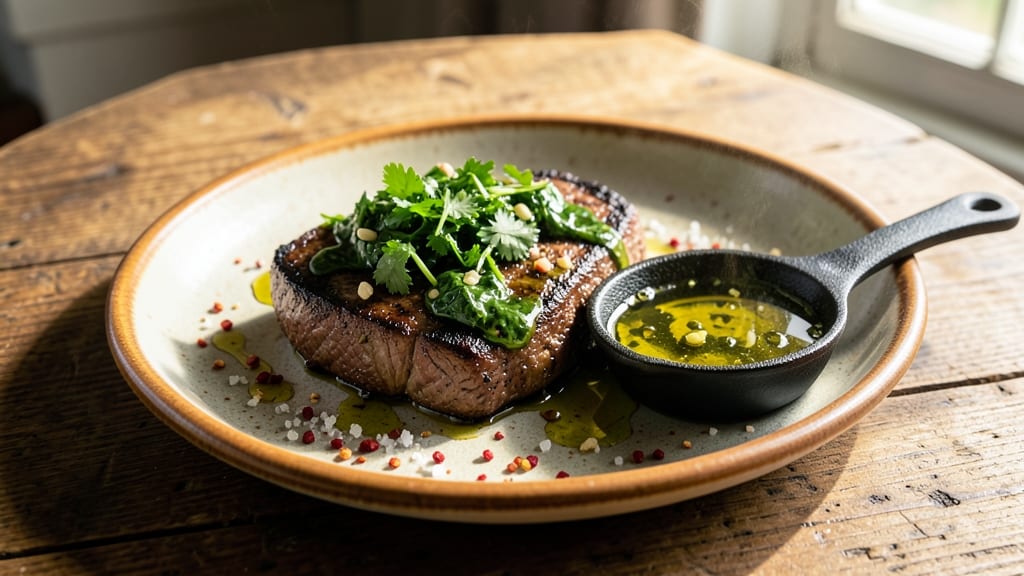
This traditional chimichurri recipe brings the vibrant herb-packed brightness of Argentina straight to your kitchen, where fresh parsley, garlic, and olive oil create a sauce that transforms simple grilled meats into something extraordinary.
The key lies in its simplicity—no cooked ingredients, just raw herbs blended with vinegar and oil to preserve that bright, fresh flavor.
I first discovered this recipe during a trip to Buenos Aires, where it’s drizzled over everything from steak to grilled vegetables, and it’s become my go-to for adding depth and freshness to any meal.
The beauty of traditional chimichurri is its versatility—it works as both a marinade and a finishing sauce, elevating grilled meats with its tangy, herby profile. The recipe relies on fresh ingredients, so the quality of your parsley and garlic makes all the difference.
Unlike many sauces, chimichurri doesn’t require cooking; instead, it’s blended just before serving to keep the herbs vibrant and the flavors sharp. This sauce is also incredibly forgiving, making it perfect for home cooks who want restaurant-quality results without complicated techniques.
What you’ll end up with is a sauce that’s bright, aromatic, and packed with fresh herb flavor, ready to drizzle over grilled steak, chicken, or even roasted vegetables. The acidity from the vinegar cuts through the richness of grilled meats, while the olive oil adds a smooth, velvety finish.
It’s the kind of sauce that turns a simple meal into something special, and it keeps well in the refrigerator for up to a week, so you can make a batch ahead and have it ready whenever you need it.
Whether you’re grilling for a crowd or cooking for two, this traditional chimichurri recipe is a game-changer. It’s simple, traditional, and impossible to mess up—just blend, taste, and adjust to your preference. Let’s get started and bring a taste of Argentina to your table.
Ingredients for traditional chimichurri
Fresh herbs and bold flavors—this is your chimichurri shortcut to Argentine grill magic.
| Ingredient | Amount | Notes |
|---|---|---|
| Fresh Parsley Leaves 🌿 | 1 ½ cups | Stems removed, tightly packed |
| Garlic Cloves 🧄 | 6 cloves | Peeled, roughly chopped |
| Extra-Virgin Olive Oil 🫒 | 1 cup | High-quality, fruity variety |
| Red Wine Vinegar 🍷 | ½ cup | Dry, not balsamic |
| Kosher Salt 🧂 | 1 ½ tsp | Adjust to taste |
| Red Pepper Flakes 🌶️ | ½ tsp | Optional for heat |
| Dried Oregano 🍃 | ½ tsp | Mexican oregano preferred |
| Ground Black Pepper 🌶️ | ½ tsp | Freshly ground |
The parsley is non-negotiable here. Buy the freshest you can find—those bright green bunches at the grocery store’s produce section or the even fresher ones at Whole Foods or your local farmers market. If you’re using dried parsley, forget it—it won’t cut it. The garlic should be fresh, never pre-minced from a jar. Roast it first for 5 minutes at 350°F if you want to mellow the flavor, but raw garlic keeps it sharp and traditional. For the olive oil, skip the cheap stuff—look for extra-virgin with a fruity, peppery finish. Trader Joe’s or Costco have great options that won’t break the bank.
No red wine vinegar? White wine vinegar or even apple cider vinegar will work, though the color won’t be as deep. Short on parsley? Mix in cilantro or basil—just reduce the amount by half to keep the flavor balanced. Want more depth? Add a pinch of smoked paprika or a dash of soy sauce for umami. The red pepper flakes are optional, but if you’re serving to spice lovers, don’t skip them. Pro tip: Toast the oregano in a dry pan for 30 seconds to wake up its flavor before blending—trust me, it makes a difference.
This sauce is best made fresh, but it keeps like a champ in the fridge for up to 1 week if you store it in a sealed jar with a thin layer of olive oil on top. That oil barrier keeps the herbs vibrant and prevents browning. For longer storage, freeze it in ice cube trays—just thaw and blend before using. If you make a big batch, portion it into small containers so you’re not dealing with a giant jar of sauce. And here’s the secret: the longer it sits, the better it gets. The flavors meld beautifully overnight, so make it ahead if you can.
Why You'll Love This Recipe
- Five-Ingredient Magic: I swear by this—just pile chopped parsley, minced garlic, olive oil, vinegar, and salt into a bowl. No measuring cups, no fancy tools, just instinct and a pulse. That’s it. The ratios are forgiving, and the result? Always perfect.
- Herb-Garlic Bomb: The moment I taste the bright parsley cutting through the deep, toasted garlic? My mouth remembers. No heavy cream or butter here—just olive oil’s richness and vinegar’s tang, balanced so every bite feels fresh and bold. It’s the kind of flavor that lingers like a good memory.
- Works Anywhere: Drizzle it over grilled steak, toss it with roasted veggies, or slather it on crusty bread. (Yes, even on a Tuesday night.) It’s my go-to for weeknight dinners, potlucks, or when I’m too tired to plan. The best part? It elevates whatever you’re serving without stealing the show.
- Makes Leftovers Better: Half a jar left after dinner? No problem. Chimichurri keeps for days in the fridge, and the flavors only deepen. I’ve used week-old batches on eggs, fish, or even avocado toast—it’s my secret weapon for turning simple meals into something special. Plus, it’s cheaper than buying fancy sauces.
Step-by-step instructions for traditional chimichurri recipe
This vibrant sauce delivers the bright, herby essence of Argentina's grilling tradition.
Prepare the Herb Base
In a food processor, combine the 1.5 cups fresh parsley leaves and 6 cloves garlic cloves. Pulse until the parsley is finely chopped but not completely puréed—you want visible texture. This texture is key to chimichurri's signature rustic charm. I like to give it 3-4 quick pulses to achieve that perfect balance between smooth and chunky.
Stop before it becomes a paste—you should still see small herb flecks. The stems have been removed, so we're working only with the tender leaves. This step builds the foundation of the sauce, where the fresh parsley's bright flavor shines through. Don't skip this—fresh herbs make all the difference in traditional chimichurri.
Add Vinegar and Seasonings
Transfer the herb mixture to a medium bowl. Add the 0.5 cup red wine vinegar, 1.5 teaspoons kosher salt, 0.5 teaspoon dried oregano, and 0.5 teaspoon ground black pepper. Stir thoroughly with a wooden spoon until everything is evenly distributed. The vinegar will start to soften the herbs slightly, creating a loose paste.
Taste at this stage—you should notice the bright acidity from the vinegar cutting through the fresh parsley's intensity. The oregano adds earthy depth while the black pepper provides subtle warmth. This is where the sauce begins to develop its complex flavor profile. Don't worry if it looks a bit loose at this point—the olive oil will bind everything together.
Incorporate the Olive Oil
Slowly drizzle in the 1 cup extra-virgin olive oil while stirring continuously. The sauce will start to emulsify as the oil coats the herbs and vinegar. I like to use a whisk for this part to ensure everything combines smoothly. The oil should be high-quality—its fruity notes complement the herbs beautifully.
Continue stirring until the mixture reaches your desired consistency. It should be thick enough to cling to grilled meats but still pourable. If it's too thick, add 1-2 teaspoons of water to loosen it. The red pepper flakes can be added now if you want heat—sprinkle them in and stir well. This step transforms the ingredients into a cohesive sauce with perfect balance between herby brightness and rich olive oil.
Rest and Adjust
Cover the chimichurri and let it rest at room temperature for at least 30 minutes. This resting period allows the flavors to meld together beautifully. I often make it a day ahead—it actually tastes better after the flavors have time to develop. Give it a taste after resting and adjust the seasoning if needed.
The sauce should be vibrant green with a fresh, herby aroma that makes your mouth water. If it needs more salt, add it gradually—chimichurri should be seasoned to taste. The texture should be like a thick, herby dressing. Once properly rested, your chimichurri is ready to elevate any grilled meat with its traditional Argentine brightness.
Pro Tips For Making Traditional Chimichurri
- STACK THE GARLIC: Use three cloves, peeled and left whole—no mincing. I learned this the hard way: crushed garlic turns bitter fast, and you’ll taste it in every bite. Just smash them lightly with the flat side of your knife before adding.
- SALT THE PARSLEY: Toss the chopped parsley with a pinch of salt before adding the vinegar. This softens the leaves and prevents a slimy texture—trust me, it’s the thing that matters most when you’re blending.
- PULSE DON’T BLEND: Use a food processor, but pulse in short bursts—no more than 10 seconds at a time. Over-blending turns chimichurri into pesto. Stop when it’s just rough enough to coat a knife blade.
- REST THE MIXTURE: Let the chimichurri sit for 15 minutes before serving. The flavors meld better, and the vinegar’s sharpness mellows out. I know, I know—you’re eager to eat—but this is where it actually changes the outcome.
Flavor customization for this dish
Classic vs. Spicy
Traditional chimichurri stays true to its Argentine roots with just fresh parsley, garlic, olive oil, and vinegar, but you can easily add ½ teaspoon red pepper flakes for a fiery kick. For a milder heat, swap in ½ teaspoon smoked paprika instead—it adds depth without overwhelming the fresh herbs.
I like to start with ¼ teaspoon of red pepper flakes to gauge the heat level before adjusting. 🌶️
If you’re serving to kids or sensitive eaters, skip the chili entirely and boost flavor with ½ teaspoon toasted cumin or a pinch of cinnamon for warmth. The key is balancing the herbs’ brightness with complementary spices without masking their natural taste. Always taste as you go!
Herb Variations
While parsley is non-negotiable, you can experiment with cilantro or basil for a brighter, slightly sweeter profile. Use ½ cup cilantro (or ¼ cup basil) instead of parsley and reduce the garlic to 4 cloves to avoid overpowering the dish.
I’ve found that mixed herbs—like ½ cup parsley + ¼ cup cilantro—work beautifully for a more complex flavor.
For a Mediterranean twist, add 1 tablespoon finely chopped mint or 2 teaspoons dried thyme to the herb base. These herbs pair surprisingly well with the traditional ingredients, adding layers of aroma without disrupting the sauce’s balance. Just remember: fresh herbs always outshine dried in chimichurri.
Umami Boosters
To deepen the sauce’s richness, stir in 1 teaspoon soy sauce or ½ teaspoon fish sauce (trust me, it works!). These umami-packed additions elevate the chimichurri, making it even more versatile for grilled meats like flank steak or pork chops.
I like to add the soy sauce after the olive oil to let the flavors meld naturally.
For a smoky depth, toast ½ teaspoon coriander seeds in a dry pan for 30 seconds, then grind them into a powder and mix into the sauce.
This adds a subtle warmth that pairs perfectly with grilled vegetables or lamb. The secret is using high-quality spices—Penzeys or Spicewalla are my go-tos for bold flavors.
Sweet & Tangy Twist
Brighten the chimichurri with 1 teaspoon honey or agave syrup to balance the vinegar’s acidity. This works especially well with grilled chicken or fish, where the sweetness complements the herbs beautifully. I recommend raw honey for its floral notes, but maple syrup is a great vegan alternative.
For a citrusy lift, add 1 teaspoon finely grated lemon zest or 1 tablespoon fresh lemon juice to the vinegar. The acidity of the lemon enhances the parsley’s freshness, creating a lighter, more refreshing sauce. This variation is perfect for summer grilling or pairing with seafood.
Global Fusion Ideas
Give your chimichurri a Mexican-inspired twist by adding ½ teaspoon ground cumin and ¼ teaspoon chili powder. This works surprisingly well with grilled shrimp or carnitas, adding a smoky, earthy dimension. I’ve even used it as a marinade for beef fajitas—the flavors are next-level.
For an Italian flair, stir in 1 tablespoon finely chopped sun-dried tomatoes and a pinch of red pepper flakes. This version pairs perfectly with grilled sausage or lamb chops, blending Mediterranean and Argentine traditions.
The sun-dried tomatoes add a tangy, chewy texture that contrasts beautifully with the herbs.
Nutrition facts
Frequently asked questions
Can I make chimichurri without a food processor?
While a food processor makes it easier, you can achieve the same texture by finely chopping the parsley and garlic with a sharp knife. Use a mortar and pestle for extra rustic texture, or pulse in a blender with short bursts. The key is keeping some visible herb flecks for that authentic chimichurri look.
Why does my chimichurri taste too strong or bitter?
This usually happens when using too much garlic or old herbs. Start with 4 cloves of garlic instead of 6, and always use the freshest parsley possible. If it's still too intense, balance it with 1 extra teaspoon of olive oil or a touch of honey to mellow the flavors. Taste as you go!
How long can I store chimichurri before it spoils?
Store chimichurri in an airtight container in the refrigerator for up to 1 week. For longer storage, freeze it in ice cube trays with a thin layer of olive oil on top to preserve freshness. Thaw overnight in the fridge before using. The oil barrier prevents browning and keeps the herbs vibrant.
What's the best way to use leftover chimichurri?
Leftover chimichurri works perfectly as a marinade for grilled meats (like chicken or shrimp) or as a finishing sauce for roasted potatoes and grilled vegetables. It also makes an excellent dip for crudités or a flavorful topping for tacos. Just give it a quick stir before using to revive the flavors.
Can I use dried herbs instead of fresh in chimichurri?
Dried herbs won't give you the same vibrant flavor, but you can use ½ teaspoon dried oregano and ¼ teaspoon dried thyme if absolutely necessary. For best results, stick to fresh parsley—the bright, fresh flavor is essential to traditional chimichurri. If you must use dried, reduce the amount by ⅓ compared to fresh.