
Snacks
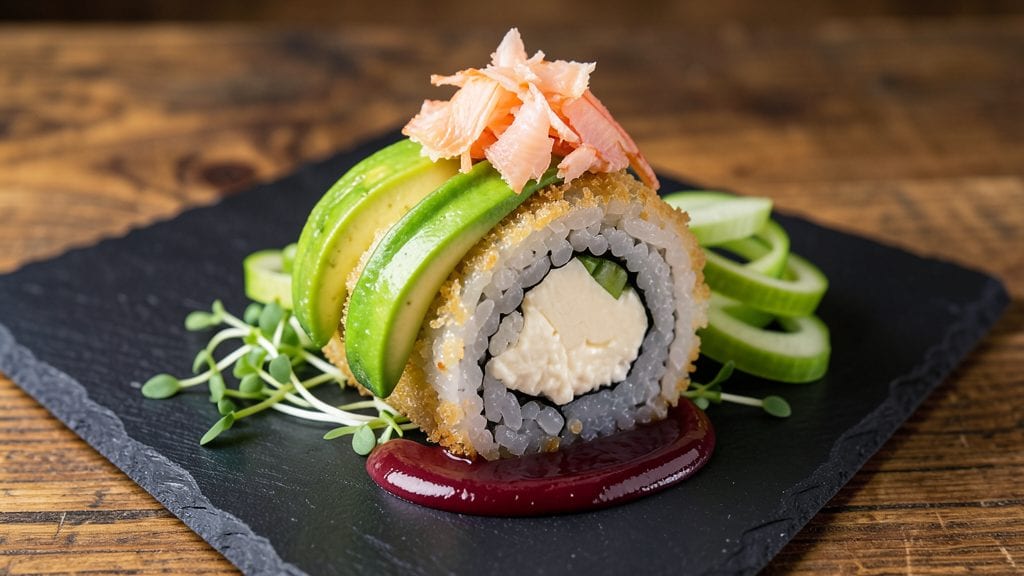
This tempura roll recipe delivers crispy rice shells with a silky crab filling that rivals your favorite sushi bar. The secret lies in the tempura batter's precise texture—light enough to fry perfectly while maintaining structure—and the careful assembly of ingredients that create that signature crunch and creaminess.
I've perfected this method after years of experimenting, ensuring every bite delivers the right balance of textures and flavors.
The process begins with preparing the tempura batter, which requires cold ingredients and quick frying to achieve that signature golden crispness.
Once the rice shells are formed and fried to perfection, we layer in the star of the dish: tender crab meat mixed with subtle seasonings for a filling that melts in your mouth. Supporting ingredients like cucumber and avocado add freshness, while a touch of spicy mayo ties everything together.
What sets these tempura rolls apart is the combination of crispy exterior and velvety interior—each roll maintains its shape while delivering layers of flavor in every bite.
The presentation is just as important as the taste, with precise slicing and elegant plating that makes them perfect for special occasions or impressing guests. This recipe transforms a traditional sushi roll into something extraordinary.
Whether you're a sushi enthusiast or a home cook looking to elevate your entertaining, these tempura rolls deliver restaurant-quality results. The technique is approachable yet precise, and the ingredients are accessible, making it possible to create a showstopping dish without specialized equipment.
Let's get started on crafting these crispy, flavorful rolls that will have everyone asking for seconds.
Ingredients for tempura roll
Fourteen ingredients transform into restaurant-quality tempura rolls with crispy shells and velvety crab filling.
| Ingredient | Amount | Notes |
|---|---|---|
| Japanese Short-Grain Rice 🍚 | 1 ½ cups | Uncooked, sushi-grade preferred |
| Cold Water 💧 | 2 cups | For rice rinsing and cooling |
| Crab Meat 🦀 | 1 lb | Lump crab preferred, pasteurized |
| Avocado 🥑 | 1 whole | Ripe, pitted and sliced |
| Cucumber 🥒 | 1 whole | English cucumber, seeded |
| All-Purpose Flour 🌾 | ½ cup | For tempura batter |
| Ice-Cold Water 🧊 | 1 cup | For tempura batter |
| Vegetable Oil 🫒 | 2 cups | High smoke point preferred |
| Mayonnaise 🥛 | ¼ cup | High-quality, for spicy mayo |
| Sriracha Sauce 🌶️ | 1 tbsp | Adjust heat preference |
| Rice Vinegar 🍶 | 1 tbsp | For crab filling seasoning |
| Sesame Seeds 🌰 | 1 tbsp | Toasted, for garnish |
| Nori Sheets 🍣 | 4 whole | High-quality, 7-inch size |
| Salt 🧂 | ½ tsp | Kosher preferred |
| Sugar 🍬 | 1 tsp | For crab filling balance |
The Japanese short-grain rice is non-negotiable—look for brands like Koshihikari or sushi-grade rice at specialty stores. Rinsing thoroughly removes excess starch, preventing gummy texture. For the crab, lump meat from reputable seafood markets ensures tender bites. The nori sheets should be vibrant green with no tears—Marukyu brand is a reliable choice. Keep all ingredients cold, especially the rice and crab, as temperature control is critical for texture. The vegetable oil should have a high smoke point (375°F or higher) to achieve that signature crispiness without burning.
No lump crab? Imitation crab or finely chopped snow crab works in a pinch, though texture will differ. Substitute avocado with mango slices for sweetness or additional cucumber for crunch. For the tempura batter, cold water is essential—room temperature will yield a gummy result. The spicy mayo can be adjusted: reduce Sriracha for mild heat or add a pinch of garlic powder for depth. If you can't find English cucumbers, seedless Persian cucumbers work well. The rice vinegar and sugar in the crab filling can be swapped for lemon juice and honey if unavailable, though flavor will shift slightly.
Prep the rice and crab filling first, then refrigerate until ready to assemble. Nori sheets last 6 months in a cool, dry place, while crab meat should be used within 2 days of purchase. The tempura batter must be made fresh—it loses crispness when reheated. Store finished rolls in an airtight container with a paper towel to absorb moisture, keeping them 2 days in the fridge. For freezing, assemble rolls without frying, then flash-freeze before coating in batter and frying—this preserves texture. Reheat fried rolls in a 350°F oven for 5 minutes to restore crispiness.
Why You'll Love This Recipe
- No Rice Burn Here: I swear by cold-water rinsing that short-grain rice—no sticky mess, no waiting for it to cool. Once it’s fluffy, I just let it sit while I prep the filling, and boom: zero rushed steps.
- Crispy-Creamy Magic: That first bite? The tempura crust gives way to creamy crab, cool avocado, and crunchy cucumber—like a fresh spring roll but with zero frying stress. Honestly, the contrast is what makes it ridiculous good.
- Lunchbox Hero: Pack these for work or school—no soggy rice here. The avocado stays bright, the crab holds its shape, and the cucumber adds that satisfying crunch. (Yes, even on a Tuesday night.)
- Budget-Friendly Luxe: Skip the takeout and make these for half the price. Canned crab works just as well as fresh, and avocado slices stretch farther than you’d think. Plus, leftovers? Still taste amazing the next day.
Step-by-step instructions for tempura rolls recipe
Mastering these crispy rice shells requires precision timing and technique—here's how to achieve perfect texture every time.
Prepare the Crispy Rice Shells
Rinse the 1.5 cups Japanese short-grain rice thoroughly under cold water until the water runs completely clear. This removes excess starch that would make the rice gummy. Drain well and transfer to a rice cooker with the 2 cups cold water. Cook according to manufacturer's instructions until fully tender, then spread the rice on a tray to cool completely to room temperature.
While the rice cools, prepare the tempura batter by whisking together the 0.5 cup all-purpose flour and 1 cup ice-cold water until smooth and free of lumps. The batter should have a thin, crepe-like consistency—thicker batter leads to dense shells. Keep the batter refrigerated until ready to use to maintain its crispness.
Assemble the Crab Filling
In a mixing bowl, combine the 1 lb crab meat, 0.25 cup mayonnaise, 1 tbsp sriracha sauce, 1 tbsp rice vinegar, 1 tsp sugar, and 0.5 tsp salt. Gently fold until just incorporated, being careful not to overmix which could break down the crab texture. The filling should be cohesive but still retain its natural lumpiness for optimal texture.
Fold in the 1 whole avocado (pitted, sliced) and 1 whole cucumber (seeded, julienned) just before rolling. These ingredients should be added last to prevent them from becoming soggy during the cooking process. Keep the filling chilled until ready to use to maintain its firmness.
Create the Tempura Roll Structure
Lay one of the 4 whole nori sheets shiny-side down on a clean work surface. Spread approximately 1/4 of the cooled rice evenly over the nori, leaving about 1/2 inch bare at the top edge. This uncovered portion will be used to seal the roll later.
Spread 1/4 of the crab filling in a thin, even layer over the rice, extending it to within 1/2 inch of the edges. Roll the nori tightly but gently using even pressure, starting from the bottom edge. The roll should be firm but not compressed—this ensures even cooking and proper texture.
Fry for Perfect Crispiness
Heat 2 cups vegetable oil in a deep fryer or heavy pot to 350°F. You'll need to monitor the temperature carefully—it should maintain a steady 350°F throughout the frying process. Dip each completed roll into the tempura batter, allowing excess to drip off, then carefully lower it into the hot oil.
Fry for 1-2 minutes until the batter turns a deep golden brown and the roll begins to float. This indicates the tempura has crisped properly while keeping the interior warm. Remove with tongs and drain on a wire rack or paper towels. Repeat with remaining rolls, working in batches to maintain oil temperature.
Finish and Serve Immediately
While still hot, sprinkle each roll with 1 tbsp sesame seeds for added texture and aroma. Serve immediately while the tempura remains crispy. The contrast between the delicate crab filling and the crispy exterior creates the perfect balance of textures that defines this dish.
For optimal presentation, cut each roll into bite-sized pieces before serving. The hot oil will continue to render through the tempura batter for the first few minutes after frying, so serving immediately ensures maximum crispness in every bite.
Pro Tips For Making Tempura Roll
- CHILL THE RICE: After cooking your short-grain rice, spread it out on a tray and let it cool completely—no rushing this. Cold rice rolls better without tearing, and it prevents that dreaded mushy texture when you finally get to slicing. I used to skip this and ended up with a gloppy mess that wouldn’t hold shape.
- DRY THE CRAB: Pat that crab meat thoroughly with paper towels before mixing it into your roll—even if it’s "fresh." Extra moisture makes the tempura batter soggy, and nobody wants a soggy roll. I learned this after my first batch turned into a sad, watery log.
- ROLL TIGHT, SLICE THIN: Wrap your nori snugly but not too tight—think "firm hug," not "squeezing a stress ball." Then slice it while it’s still in the roll (yes, really) for cleaner cuts. I used to unwrap first, and my slices always looked like a toddler’s finger painting.
- USE A LIGHT BATTER: Tempura batter should look like "thin pancake batter"—not thick enough to coat a spoon. If it’s too heavy, your roll will turn greasy instead of crisp. I now eyeball it by lifting the whisk: if it drips slowly, it’s perfect. If it plops, it’s too thick.
Serving suggestions for tempura roll
Plating Presentation
Slice each tempura roll into 6-8 even pieces using a sharp, wet knife for clean cuts. Arrange them on a white or black plate to highlight the golden-brown tempura shells—this creates a striking contrast that makes the dish pop.
I like to fan the slices slightly so the crispy edges catch the light. 🌟
Garnish Like a Pro
Sprinkle toasted sesame seeds and thinly sliced scallions over the top for color and aroma. For extra flair, add a drizzle of spicy mayo or a dash of tobiko (flying fish roe) along the plate's edge. The contrast between the crispy tempura and bright garnishes elevates the dish instantly.
Side Dish Pairings
Serve with a cool miso soup to balance the richness, or a light seaweed salad for freshness. I also recommend steamed edamame with a sprinkle of flaky salt—its buttery texture complements the tempura perfectly. For a non-sushi option, cucumber slices with soy sauce work beautifully. 🥗
Sauce Station
Set out small bowls of soy sauce, spicy mayo, and eel sauce for dipping. I like to include a lime wedge on the side—its acidity cuts through the richness of the crab filling. Label each sauce clearly so guests can customize their bites.
Serving Temperature
Tempura rolls are best served immediately after frying while the tempura remains crispy. If you must reheat, place them in a 350°F oven for 5 minutes to restore crispness. Avoid microwaving—they’ll turn soggy. Serve with chilled chopsticks for an authentic touch. ⏰
Occasion Adaptations
For casual gatherings, serve with beer or sake to complement the seafood flavors. For formal occasions, pair with dry white wine like a Japanese Koshu or a crisp Sauvignon Blanc. Garnish with edible flowers or gold leaf for an elegant touch. 🍷
Nutrition facts
Frequently asked questions
Why does my tempura batter turn gummy instead of crispy?
Cold ingredients are key! If your batter feels thick or sticky, your water wasn't cold enough. Always use ice-cold water and refrigerate the batter until ready to use. Also, avoid overmixing—just whisk until smooth. The batter should be thin like crepe batter, not thick like pancake batter.
Can I make tempura rolls ahead of time?
No, these should be made fresh and fried immediately. The tempura coating loses crispness when reheated. You can prep the rice, filling, and batter in advance, but assemble and fry the rolls right before serving. For make-ahead convenience, freeze the assembled rolls (unfried) between parchment paper, then fry from frozen using 375°F oil for 3-4 minutes.
What's the best way to store leftover tempura rolls?
Store in an airtight container with a paper towel to absorb moisture. Keep refrigerated for up to 2 days, but they'll lose some crispness. To revive, reheat in a 350°F oven for 5 minutes—never microwave. For longer storage, freeze uncooked assembled rolls for up to 1 month, then fry fresh when ready.
How do I adjust the spice level in the crab filling?
Start with 1 tbsp sriracha for mild heat. For medium spice, add 1.5 tbsp. For extra heat, mix in 1 tsp gochujang or ½ tsp cayenne pepper. Always taste before assembling—you can't remove excess spice once mixed with the crab. A squeeze of lime juice helps balance heat if needed.
Can I substitute crab with another protein?
Yes! For similar texture, use lump white fish (cod or halibut), shrimp, or imitation crab. For vegetarian options, try mushroom "crab" made from finely chopped shiitake and king oyster mushrooms with a touch of nori powder. Keep fillings cold and drain well to prevent sogginess in the roll.