
Main Courses
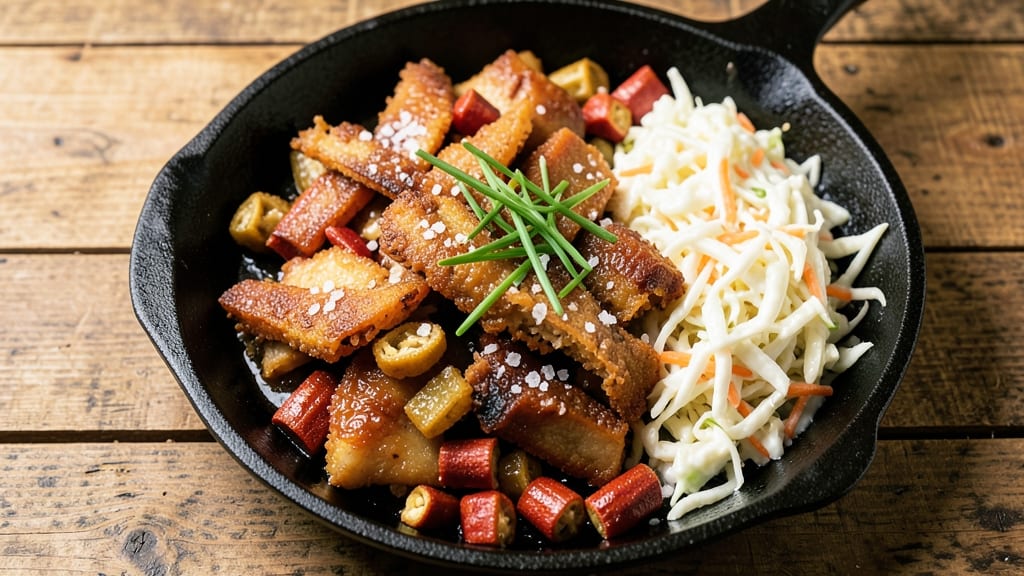
Southern fried tripe delivers that unmistakable Southern soul flavor—crispy golden edges that give way to tender, melt-in-your-mouth meat inside. This recipe preserves tradition while making it approachable for home cooks, starting with proper cleaning and cutting techniques that ensure perfect texture.
The secret lies in the seasoning blend and frying method, which transforms tough tripe into a dish fit for family gatherings.
What sets this recipe apart is the balance between authenticity and simplicity. You’ll work with salt, pepper, and cayenne for classic Southern heat, then fry the tripe in small batches to maintain even crispiness without overcrowding the pan.
The result? A dish that’s rich in flavor, satisfying in texture, and deeply rooted in tradition—just like Grandma used to make. This method ensures every bite delivers that crispy-tender contrast that defines Southern fried tripe.
The process begins with thorough cleaning and slicing, which might sound intimidating but becomes second nature with practice. Once properly prepared, the tripe fries up golden brown on the outside while staying tender inside, absorbing the seasoning perfectly.
Serve with classic sides like collard greens or cornbread to complete the Southern meal experience.
This recipe isn’t just about the technique—it’s about the cultural heritage behind it. Whether you’re recreating a family tradition or introducing someone to Southern comfort food, the crispy-tender texture and bold seasoning make it a standout dish.
Ready to bring some Southern soul to your table? Let’s get started with the full recipe.
Ingredients for southern fried tripe
Authentic Southern soul starts with these carefully selected ingredients for crispy-tender fried tripe.
| Ingredient | Amount | Notes |
|---|---|---|
| Beef Tripe 🥩 | 1 ½ lb | Honeycomb or flat cut, thoroughly cleaned |
| All-Purpose Flour 🌾 | 2 cups | For dredging, sifted for even coating |
| Diamond Crystal Kosher Salt 🧂 | 1 ½ tbsp | For seasoning, not iodized |
| Freshly Ground Black Pepper 🌶️ | 1 tsp | Coarsely cracked for texture |
| Cayenne Pepper 🔥 | ½ tsp | Adjust for desired heat level |
| Butterflake Lard or Shortening 🧈 | 3 cups | For frying, rendered or solid |
| Yellow Onion 🧅 | 1 whole | Thinly sliced for garnish |
| Lemon Wedges 🍋 | 4 whole | For serving, fresh squeezed |
| Vegetable Oil 🫒 | ½ cup | For preheating fryer |
| Apple Cider Vinegar 🍎 | ¼ cup | For cleaning tripe |
| Baking Soda 🧪 | 2 tbsp | For tripe soaking |
| Garlic Powder 🧄 | 1 tsp | For seasoning blend |
| Paprika 🌶️ | ½ tsp | Smoked variety preferred |
| Hot Sauce 🌶️ | 2 tbsp | For serving, optional |
The tripe selection is critical for this dish. Honeycomb or flat-cut tripe from a trusted butcher—like those at Whole Foods or local Southern markets—ensures optimal texture. Look for tripe with minimal connective tissue and a fresh, slightly sweet aroma. If you're unsure about handling raw tripe, pre-cleaned tripe from specialty meat counters is available but may cost more. The lard or shortening should be rendered and kept at room temperature for even frying, while Diamond Crystal kosher salt is preferred for its coarse texture and superior flavor. For the vinegar and baking soda, organic brands like Annie's provide the best balance of acidity and alkalinity for thorough cleaning without overpowering the tripe's natural taste.
Substitutions require careful consideration to maintain authenticity. If lard is unavailable, shortening works equally well, though it lacks the subtle flavor. For those avoiding animal fats, high-smoke-point vegetable oils like avocado or peanut oil can be used, though the texture may differ slightly. Pre-shredded onion can replace fresh slices, but minced onion from a jar provides better texture. The hot sauce is purely optional but recommended for serving—Crystal or Tabasco are classic choices that complement the dish's bold flavors. If you're short on time, pre-cut tripe from a butcher can save preparation steps, though it may lack the traditional texture. For the spice blend, ensure all components are freshly ground—pre-ground spices lose potency quickly.
Proper storage and preparation extend the dish's quality. Cleaned tripe can be refrigerated for up to 3 days before frying, while prepared seasoning blends last up to 2 weeks in an airtight container. Fryer oil should be kept at 350°F for optimal crispiness, and any unused oil can be stored for up to 1 month in a sealed container. Leftover fried tripe holds well for 3 days in the refrigerator, though it's best enjoyed fresh. To reheat, air fry at 375°F for 5 minutes to restore crispiness. For a crowd-friendly version, double the tripe and frying oil, ensuring the fryer is large enough to handle the increased volume without overcrowding.
Why You'll Love This Recipe
- Crispy in Minutes: The tripe fries up faster than you can say "dinner’s ready"—just a quick flour dip, hot oil, and 8 minutes of sizzling. No marinating, no waiting, just that satisfying crunch the second it hits the plate.
- Cayenne Kick: That pinch of cayenne? Oh, it’s there—warm and subtle at first, then sneaking up on you like a good secret. It cuts through the richness of the tripe, leaving you wanting to add just a little more.
- Budget Feast: A pound of tripe stretches across meals like nothing else—fry up half for tonight, toss the rest in a skillet with onions and gravy for tomorrow. My wallet thanks me every time I buy it in bulk.
- Leftovers Reinvented: Cold fried tripe? Still magic. Shred it into tacos, stir it into rice and beans, or just eat it straight with a cold beer. Here’s what sold me—it’s never a waste, always a win.
Step-by-step instructions for Southern fried tripe
Mastering this dish delivers restaurant-quality texture—crispy golden crust with perfectly tender, melt-in-your-mouth tripe.
Prepare the Tripe for Maximum Tenderness
Begin by rinsing the 1.5 lb beef tripe under cold water to remove any impurities. In a large bowl, combine the tripe with the 0.25 cup apple cider vinegar and 2 tbsp baking soda. This alkaline solution breaks down connective tissue, ensuring fork-tender results. Let the tripe soak for at least 4 hours—or overnight if possible—for optimal tenderness. After soaking, rinse thoroughly under cold water and pat completely dry with paper towels.
The key here is thorough drying. Any moisture remaining will prevent proper browning in the fryer. I press down firmly with clean towels to eliminate all surface moisture before proceeding. This step is non-negotiable for achieving that perfect crispy exterior we're after.
Create the Seasoning Blend and Dredge the Tripe
In a large bowl, whisk together the 2 cups all-purpose flour, 1.5 tbsp diamond crystal kosher salt, 1 tsp freshly ground black pepper, 0.5 tsp cayenne pepper, 1 tsp garlic powder, and 0.5 tsp paprika. This seasoning blend should be finely distributed throughout the flour—no clumps. The cayenne adds subtle heat while the smoked paprika contributes depth of flavor.
Working with one piece at a time, press each section of the tripe into the seasoned flour mixture, ensuring an even coating on all sides. The flour should adhere firmly but not form a thick crust. This even coating is crucial for consistent frying results. Let the dredged tripe rest for 10 minutes before frying—this allows the flour to adhere more securely.
Fry to Golden Perfection Using Lard Mixture
In a heavy-bottomed cast-iron skillet, combine 2 cups of the 3 cups butterflake lard or shortening with 0.5 cup vegetable oil. Heat over medium heat until the mixture reaches 350°F—use a deep-fry thermometer for accuracy. The lard should be shimmering but not smoking. This temperature is critical for achieving that perfect balance of crispy exterior and tender interior.
Working in batches to avoid overcrowding, carefully add the dredged tripe pieces to the hot lard. Fry for 3-4 minutes per side, turning only once, until golden brown and reaching an internal temperature of 165°F. The tripe should be crispy to the touch but still tender when pierced with a fork. Remove each piece to a paper towel-lined plate to drain excess fat. Maintaining this precise temperature throughout frying is essential—too hot and you'll burn the exterior before the interior cooks.
Rest and Garnish for Optimal Presentation
Let the fried tripe rest for 5 minutes before serving. This brief resting period allows any residual moisture to redistribute, ensuring each bite remains perfectly tender. While the tripe rests, thinly slice the 1 whole yellow onion and prepare the 4 whole lemon wedges for serving. The acidity of the lemon cuts through the richness of the fried tripe while adding brightness to each bite.
To serve, arrange the crispy tripe pieces on a platter and garnish with the sliced onions and lemon wedges. Offer the 2 tbsp hot sauce on the side for those who prefer additional heat. The contrast between the crispy exterior, tender interior, and bright lemon creates a harmonious balance of textures and flavors that defines this Southern classic.
Pro Tips For Making Southern Fried Tripe
- Soak It Right: Tripe’s got a stubborn texture—skip the soak, and you’ll fight chewiness the whole way. Toss it in cold water with a splash of vinegar (white or apple cider) for 12–24 hours, changing the water every 4–6 hours. I learned this the hard way—dry, tough tripe ruins the whole dish, no matter how good your frying game is.
- Cut Against the Grain: Slice the tripe thin—about ¼-inch thick—and always perpendicular to the muscle fibers. Thick slices stay rubbery; thin ones crisp up fast. Use a sharp knife, and don’t rush—this isn’t the time to get aggressive. (Your future self will curse you if you skip this.)
- Double-Dredge, Once: The first dredge is easy—flour, salt, pepper, cayenne. But the second? That’s where the magic happens. After frying the first time, let it cool just enough to handle, then dredge again. The extra crust locks in flavor and keeps it from falling apart. (Yes, it’s messy. Yes, it’s worth it.)
- Fry in Batches: Crowd the pan, and the oil temp drops—guaranteed. Work in small batches (2–3 pieces at a time) over medium-high heat, and resist the urge to flip too soon. Let the first side get a deep golden crust before turning. I used to rush this, and the tripe came out greasy instead of crisp. Patience pays off.
Creative variations of this recipe
Texas-Style Spicy
For a Texas twist, boost the heat with an extra 1 tsp cayenne pepper and add ½ tsp smoked paprika to the seasoning blend. After frying, drizzle each piece with 2 tbsp hot sauce (like Crystal or Tabasco) mixed with 1 tbsp honey for a sweet-spicy glaze.
Serve with pickled jalapeños on the side—this version is a crowd-pleaser at Texas BBQ joints. 🌶️
Cajun-Inspired Creole
Transform this dish into a Cajun-inspired classic by adding 1 tsp Cajun seasoning (like Tony Chachere’s) to the flour blend. After frying, toss the tripe in a mix of 1 tbsp melted butter, 1 tsp Creole mustard, and ½ tsp garlic powder.
Garnish with chopped green onions and serve with Cajun rice or dirty rice. This variation brings bold, spicy flavors from Louisiana to your Southern table. 🔥
Smoky BBQ Glaze
For a smoky, caramelized finish, fry the tripe as directed, then brush each piece with a glaze made from ½ cup BBQ sauce (like Sweet Baby Ray’s), 1 tbsp brown sugar, and 1 tsp apple cider vinegar.
Broil for 2-3 minutes to set the glaze. Serve with smoked gouda cheese shavings and pickled red onions for a fusion of Southern and BBQ flavors. This version is perfect for game day or tailgates. 💫
Herb-Infused Mediterranean
Swap the cayenne for 1 tsp dried oregano and ½ tsp dried thyme in the seasoning blend. After frying, toss the tripe in a mix of 2 tbsp olive oil, 1 tbsp lemon zest, and 1 tsp minced garlic.
Garnish with fresh parsley and serve with a side of tzatziki sauce or roasted Mediterranean vegetables. This lighter, herb-forward version keeps the crispy texture while offering a refreshing twist. 🌿
Sweet & Tangy Honey Mustard
For a sweet and tangy variation, coat the fried tripe in a mix of ¼ cup honey, 2 tbsp Dijon mustard, and 1 tbsp apple cider vinegar. Warm the mixture gently and brush it over the hot tripe.
Finish with a sprinkle of toasted sesame seeds and serve with apple slices** on the side. This balance of sweet, tangy, and umami flavors makes it a unique take on a Southern classic. 🍯
Nutrition facts
Frequently asked questions
What's the best cut of tripe for this recipe?
Use either honeycomb or flat-cut tripe for this dish. These cuts have the ideal texture—thin enough to cook quickly while still holding up to frying. Honeycomb tripe has a slightly more delicate texture, while flat-cut tripe is more uniform. Always choose tripe from a trusted butcher for the best quality and flavor.
Can I substitute lard with another fat for frying?
Yes, you can use shortening as a direct substitute for lard. For a neutral oil option, try high-smoke-point oils like avocado or peanut oil, though the texture may differ slightly. The key is maintaining a 350°F temperature to achieve that perfect crispy exterior. Never use butter—it burns too easily.
Why does my fried tripe turn out tough instead of tender?
Tough tripe usually means the soaking step wasn't long enough or the tripe wasn't dried properly. Soak for at least 4 hours (overnight is best) and pat completely dry before seasoning. Also, ensure you're frying at 350°F—too high a temperature can seal the exterior before the interior cooks through.
How do I store leftover fried tripe?
Store fried tripe in an airtight container in the refrigerator for up to 3 days. To reheat, use an air fryer at 375°F for 5 minutes to restore crispiness. Avoid microwaving—it makes the exterior soggy. For longer storage, freeze for up to 1 month in a sealed bag.
What are the best sides to serve with fried tripe?
Classic Southern sides like collard greens, cornbread, or mashed potatoes pair perfectly. For a lighter option, try roasted sweet potatoes or a fresh green salad with tangy vinaigrette. The crispy texture of the tripe stands up well to rich, hearty sides that balance its bold flavor.