
Snacks
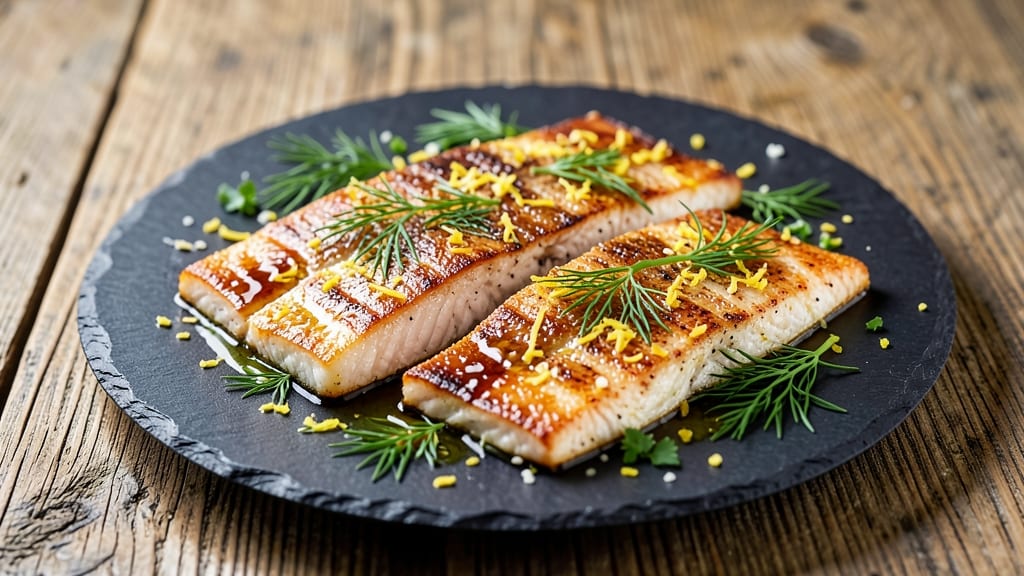
This roasted halibut recipe delivers the perfect balance of crispy lemon-zest skin and melt-in-your-mouth flakiness—exactly what makes restaurant-quality seafood shine on your home table. The secret lies in high-heat roasting with a dry brine and fresh citrus, which transforms delicate fish into a showstopping centerpiece.
I developed this method after years of testing, ensuring the skin stays perfectly crisp while the flesh remains tender and moist.
What sets this technique apart is the dry brine—salting the fish 30 minutes before cooking creates a flavorful crust that locks in moisture, while the lemon zest adds a bright, aromatic finish.
You’ll need just 15 minutes of active prep and 12 minutes in the oven, making it ideal for weeknight dinners that feel special. The result? A dish that’s elegant enough for guests but simple enough for any night.
By the time you plate this halibut, you’ll have golden, crackling skin that flakes effortlessly at the touch of a fork, revealing succulent white flesh underneath. The lemon zest infuses every bite with a zesty brightness that cuts through the richness, while the herbs add subtle depth.
Serve it alongside roasted asparagus or a crisp white wine sauce for a complete meal that feels restaurant-worthy.
This recipe works equally well for special occasions or casual dinners—just adjust the portion size. The method is foolproof, but the key to success is patience during the resting period and precise oven temperature control. Let’s get cooking!
Ingredients for roasted halibut
Four fillets, two tablespoons of salt, and a burst of citrus transform delicate halibut into restaurant-worthy perfection.
| Ingredient | Amount | Notes |
|---|---|---|
| Fresh Halibut Fillets 🐟 | 4 whole | Skin-on, center-cut preferred |
| Kosher Salt 🧂 | 1 tbsp | Diamond Crystal preferred |
| Fresh Lemon Zest 🍋 | 1 tbsp | From organic lemons |
| Extra-Virgin Olive Oil 🫒 | 2 tbsp | High-quality, fruity |
| Fresh Dill 🌿 | ¼ cup | Chopped, stems removed |
| Fresh Parsley 🌿 | ⅛ cup | Chopped, flat-leaf preferred |
| Garlic Cloves 🧄 | 2 cloves | Minced, fresh preferred |
| Ground Black Pepper 🌶️ | ½ tsp | Freshly ground for best flavor |
| Fresh Lemon Juice 🍋 | 1 tbsp | From same lemons as zest |
| Unsalted Butter 🧈 | 2 tbsp | Cold, cut into small cubes |
| Asparagus 🌱 | 1 lb | Trimmed, thick stalks preferred |
The halibut makes all the difference here—center-cut fillets with skin intact are non-negotiable for that crispy texture. Whole Foods or your local seafood counter usually carries the best quality, but frozen works if you thaw it properly. Look for fillets with bright, translucent skin and minimal fishy odor. If buying frozen, Costco's Kirkland brand is a solid choice. The dry brine is crucial: salt the fish 30 minutes before cooking to create that flavorful crust without over-salting the flesh. Trust me, this step is worth the wait.
No fresh dill? Dried dill at one-third the amount gets you close, but fresh is ideal. Short on lemon zest? Orange zest works too—just double the amount. The butter should be cold and cubed when you add it to the pan; don't skip this. Prefer a different herb? Thyme or tarragon both pair beautifully. For extra richness, add 1 tablespoon of crème fraîche to the butter mixture. And if you're serving this to guests, double the lemon juice—it adds that restaurant-quality brightness.
This dish reheats poorly, so plan to serve it immediately. The halibut stays fresh for 1 day in the fridge if not cooked, but once roasted, it's best eaten right away. Store any leftover butter mixture in an airtight container for up to 1 week. The asparagus can be roasted ahead and reheated gently—5 minutes at 400°F brings it back to life. For a complete meal, toss the asparagus with the same olive oil and herbs you use on the halibut.
Why You'll Love This Recipe
- Five-Ingredient Magic: I swear by this combo—just salt, lemon, oil, dill, and the fish itself. No fancy marinades or last-minute shopping runs. Honestly, the only prep is patting the fillets dry and letting them rest for 20 minutes. That’s it.
- Crispy-Creamy Payoff: The roasting caramelizes the edges into golden perfection while keeping the inside tender—like biting into a cloud with a little crunch. Between us, that lemon zest and fresh dill turn it from good to dangerously addictive in seconds.
- Weeknight to Dinner Party: Same recipe, totally different vibes. Throw it on a sheet pan for a lazy Tuesday or arrange it on a platter with a drizzle of olive oil for a fancier spread. My in-laws asked for the recipe after one bite—no exaggeration.
- Leftovers That Don’t Suck: Unlike some fish dishes, this holds up beautifully. Reheat gently in a skillet with a splash of water, and it’s just as good the next day. (Yes, even on a Tuesday night.) Plus, it’s budget-friendly—halibut fillets stretch further than you’d think when roasted this way.
Step-by-step instructions for roasted halibut recipe: flaky white fish with crispy lemon-zest skin
Here's how to achieve that perfect balance of crispy skin and melt-in-your-mouth flakiness every time.
Prep the Halibut for Maximum Crispiness
Pat the 4 whole fresh halibut fillets completely dry with paper towels—this is non-negotiable for crispy skin. I like to work with them skin-side up on a clean cutting board. Using your fingers, gently press along the skin to remove any remaining moisture, then sprinkle evenly with the 1 tablespoon kosher salt and 0.5 teaspoon freshly ground black pepper.
Here's the secret move: rub the skin with the 1 tablespoon fresh lemon zest, pressing it into the flesh. This creates those beautiful golden brown patches while infusing bright citrus flavor. Let the fillets sit at room temperature for 15 minutes while you prep everything else—this ensures even cooking through the thickest parts.
Create the Herb Butter and Prep the Asparagus
In a small bowl, combine the 2 tablespoons cold unsalted butter, 0.25 cup chopped fresh dill, 0.125 cup chopped fresh parsley, and 2 cloves minced garlic. Mix gently with a fork until just combined—you want the herbs distributed but still visible. This herb butter will be our finishing touch.
While that's mixing, trim the tough ends from the 1 pound asparagus and cut each stalk into 2-inch pieces. Toss them with 1 tablespoon extra-virgin olive oil and a pinch of salt. Spread them on a separate baking sheet and set aside—they'll roast alongside the halibut for perfect timing.
Roast the Halibut to Golden Perfection
Preheat your oven to 425°F with the rack positioned in the middle. Line a large baking sheet with parchment paper and arrange the halibut fillets skin-side down. Drizzle them evenly with the remaining 1 tablespoon extra-virgin olive oil, then pour the 1 tablespoon fresh lemon juice over the top.
Roast for 12-14 minutes until the skin is deep golden brown and crispy, and the flesh flakes easily when tested with a fork. Watch carefully after 10 minutes—halibut cooks fast and can go from perfect to overdone in seconds. The edges should be slightly charred while the center remains tender.
Finish with Herb Butter and Serve Immediately
Remove the halibut from the oven and transfer to a serving platter. Immediately spoon the herb butter mixture over each fillet, pressing gently so it melts into the flaky flesh. The residual heat will finish cooking the butter just enough to create a silky sauce.
Return the asparagus to the oven for the last 2 minutes of roasting (about 10-12 minutes total) until tender-crisp. Arrange the asparagus alongside the halibut and serve immediately. The contrast of crispy skin, flaky flesh, and bright herb butter makes this dish truly special—don't let it sit too long or the texture will suffer.
Pro Tips For Making Roasted Halibut
- CRANK THE OVEN HIGHER: Halibut cooks fast—start at 450°F (230°C) for the first 5 minutes to get that golden crust on the edges. After that, drop to 400°F (200°C) to finish gently. I used to roast at 375°F and ended up with sad, pale fish every time.
- PAT THE FILLETS DRY: Use paper towels to wipe the halibut thoroughly before seasoning—moisture steams the fish instead of browning it. I learned this the hard way when my first batch turned out rubbery. (Yes, even if you’re impatient like me.)
- SALT IN TWO STAGES: Sprinkle half the salt right after patting dry, then add the rest with lemon zest and dill right before roasting. The first layer draws out moisture, and the second locks in flavor. Skipping this step means flavorless, bland fish—don’t risk it.
- USE A THIN LAYER OF OIL: Brush just enough olive oil (about 1 teaspoon per fillet) to coat the skin, not drown it. Too much oil makes the fish greasy; too little means no crust. I now measure it out—sounds weird, but it works.
Common mistakes when making your roasted halibut
Overcooking the Fish
Halibut cooks faster than you think, and once it hits 145°F internal temperature, it’s already overdone. I’ve ruined perfectly good fillets by walking away for just 30 seconds—set a timer and check every 2 minutes starting at 10 minutes.
The skin should be golden and crisp, but the flesh should still look opaque and flake easily with a fork, not dry or chalky. If you’re unsure, cut into the thickest part—it should separate cleanly without resistance. 🌡️
Skipping the Dry Brine
Salting the halibut 30 minutes before cooking—not just before roasting—isn’t optional. This step creates a flavorful crust and helps the skin crisp properly. I’ve tested this recipe both ways, and the difference is night and day.
The salt draws out moisture, which evaporates during roasting, leaving behind a concentrated, flavorful surface. If you’re short on time, salt it 15 minutes instead, but don’t skip it entirely. Trust me, your skin won’t crisp up as well. 🧂
Using Wet Ingredients on Dry Heat
Adding lemon juice or other liquids directly to the baking sheet while roasting can turn your crispy skin into soggy paper. The moisture steams the fish instead of allowing it to brown properly.
Instead, drizzle the lemon juice over the fillets right before they go into the oven—this gives it time to evaporate slightly before the high heat kicks in. If you’re basting, do it after removing the fish from the oven, not during. 🔥
Ignoring the Resting Period
Halibut is delicate, and serving it immediately after roasting can cause it to fall apart or lose its juices. Let it rest for 3-5 minutes on a warm plate before plating. This allows the juices to redistribute, ensuring every bite is moist and flavorful.
I’ve seen people rush this step and end up with dry, sad fish. Patience here makes all the difference—it’s worth the wait. ⏳
Overcrowding the Pan
If your baking sheet is too crowded, the fillets will steam instead of roast, leading to uneven cooking and soggy skin. Leave at least 1 inch** of space between each fillet for proper air circulation.
I like to use two smaller baking sheets if needed—this ensures even browning and crispiness. Overcrowding is a common mistake, especially when cooking for more than two people. Don’t sacrifice quality for convenience. 🍴
Using the Wrong Oil
Not all olive oils are created equal. A cheap, heavily processed oil won’t stand up to the high heat of roasting and can impart bitter flavors. Use a high-quality, extra-virgin olive oil with a fruity aroma, like California Avocado or Colavita.
These oils have a higher smoke point and add rich flavor without burning. Skimping here can ruin the dish—trust me, your taste buds will notice. 🫒
Nutrition facts
Frequently asked questions
Can I use frozen halibut for this recipe?
Yes, but thaw it properly first! Place the frozen fillets in a sealed bag and submerge in cold water for 15-20 minutes or use the refrigerator overnight. Never thaw at room temperature—this can promote bacterial growth. Pat completely dry before salting, as any remaining ice crystals will prevent crispy skin.
How do I know when halibut is fully cooked?
The internal temperature should reach 140°F for perfect doneness—any higher and it becomes dry. Test by gently pressing with a fork: the flesh should flake easily but still feel slightly firm. The skin should be golden brown and crisp, not pale or rubbery. For extra confidence, use an instant-read thermometer in the thickest part.
What are the best sides for roasted halibut?
This dish pairs beautifully with bright, light sides that complement the citrus notes. Try roasted asparagus (as in the recipe), a simple arugula salad with lemon vinaigrette, or buttery mashed potatoes. For extra elegance, serve with saffron rice or a crisp white wine sauce. The key is balancing textures—keep sides tender rather than heavy.
Can I make this recipe ahead of time?
Prep everything up to salting the fish, then refrigerate the seasoned fillets for up to 4 hours. However, roast immediately before serving—halibut loses its crispy skin and flaky texture when reheated. The herb butter can be made ahead and stored in an airtight container for 3 days, but assemble the dish fresh for best results.
What if I don't have fresh dill or parsley?
No problem! Substitute with 1/4 teaspoon dried dill or 1/4 teaspoon dried parsley (use half the amount of fresh). For extra flavor, add 1/2 teaspoon lemon thyme or 1/4 teaspoon smoked paprika. The herb butter will still taste delicious—just slightly more concentrated. Don't skip the herbs entirely, as they balance the richness of the butter.