
Beverages
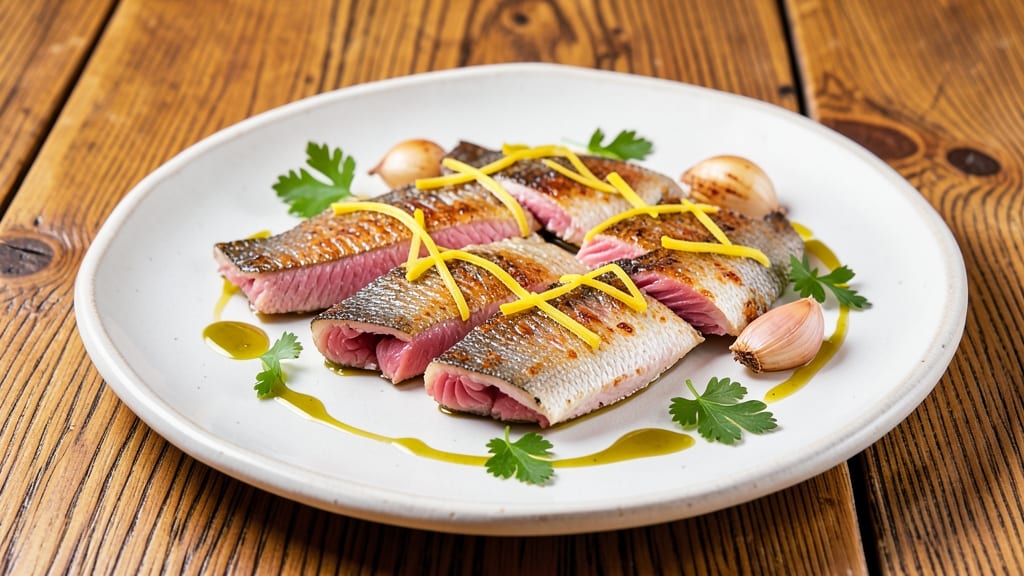
Pan-seared red trout with crispy skin and flaky white fish is the perfect balance of technique and simplicity—just 15 minutes from raw to restaurant-quality plate. The secret lies in a hot, dry pan that renders the skin into golden perfection while keeping the delicate flesh tender inside.
I’ve refined this method over years of testing, ensuring every bite delivers that satisfying contrast of textures and clean, sweet flavor.
This recipe focuses on minimal ingredients—just the fish, salt, and a touch of oil—but the execution transforms them into something extraordinary. The key is patience: letting the skin crisp undisturbed before flipping, then finishing with a squeeze of lemon to brighten the natural richness.
No fancy sauces or complicated steps, just a foolproof technique that elevates simple ingredients into a standout dish.
What you’ll end up with is a crispy, shatteringly thin skin that gives way to melt-in-your-mouth flakes, all served with a zesty lemon finish. The aroma alone—warm oil, citrus, and the faintest hint of smoke—will have everyone at the table anticipating the first bite.
This method works equally well for grilling or baking, but the pan-seared version delivers that coveted crispiness.
Pair it with a light herb salad, roasted asparagus, or a drizzle of honey-mustard glaze to round out the meal. The beauty of this recipe is its versatility—simple enough for weeknights but impressive enough for guests. Let’s get started on a dish that proves great food doesn’t require complexity.
Ingredients for red trout
Five essential ingredients transform simple trout into restaurant-worthy perfection with minimal effort.
| Ingredient | Amount | Notes |
|---|---|---|
| Red Trout Fillets 🐟 | 4 whole | Skin-on, 6-8 oz each, patted dry |
| Kosher Salt 🧂 | 1 tbsp | Diamond Crystal preferred, coarse grain |
| Extra-Virgin Olive Oil 🫒 | 2 tbsp | High smoke point, fruity variety |
| Fresh Lemon 🍋 | 1 whole | Organic, preferably Meyer for sweetness |
| Fresh Parsley 🌿 | ¼ cup | Flat-leaf, finely chopped for garnish |
| Garlic Cloves 🧄 | 2 cloves | Minced, for finishing (optional) |
| Black Peppercorns 🌶️ | ½ tsp | Freshly cracked, for finishing |
| Unsalted Butter 🧈 | 2 tbsp | European-style, for basting |
| Lemon Zest 🍋 | 1 tsp | From the reserved lemon, for aroma |
The trout selection is critical—look for vibrant red flesh and firm, unbroken skin at your local seafood market or specialty grocer like Whole Foods or Trader Joe's. Freshness is non-negotiable; the fish should smell briny but not fishy, and its eyes should be clear. If you're buying frozen, opt for flash-frozen, skin-on fillets that thaw overnight in the fridge, wrapped in a damp towel. The skin must remain intact for that coveted crispiness, so handle the fillets gently, using a fish spatula to avoid tearing. For optimal results, purchase fillets that are roughly 6-8 ounces each—large enough to yield substantial portions but not so thick they overcook before the skin crisps.
No Meyer lemon? Regular lemons work perfectly, though they'll be slightly more tart. Substituting dried parsley loses that fresh brightness, but a pinch of dried oregano at one-third the amount can mimic the herbal note. If you're avoiding olive oil, avocado oil has a higher smoke point and similar neutral flavor. For the butter, ghee works beautifully if you're dairy-free, though it lacks the same richness. The garlic and pepper are truly optional but elevate the dish to another level—think of them as the finishing touches that transform good into exceptional. When mincing garlic, use a microplane for the finest texture, or pulse it briefly in a food processor to avoid releasing bitter compounds.
Pat the trout fillets completely dry with paper towels—this step is non-negotiable for crispy skin. Store any unused lemon wedges wrapped in plastic in the fridge for up to 5 days, or freeze the zest for future use. Fresh parsley stays vibrant for 3-4 days when stored in a sealed container with a damp paper towel. The butter should be kept at room temperature for easy basting, but if it hardens, simply let it sit at room temperature for 10-15 minutes before using. For meal prep, cook the trout ahead and store it in an airtight container with a paper towel underneath to absorb any moisture—reheat gently in a skillet with a splash of water for 2-3 minutes to restore crispiness.
Why You'll Love This Recipe
- Five-Ingredient Magic: I swear, this is the kind of recipe where you look at your pantry and think, "I already have this." Flaky red trout, a drizzle of olive oil, salt, lemon—it’s like the culinary equivalent of a blank canvas that somehow always turns out stunning. No fancy techniques, no last-minute grocery runs. Just pure, satisfying simplicity.
- Bright & Buttery: That first squeeze of lemon over warm trout? It’s like a flavor reset button. The olive oil keeps it rich without being greasy, while the parsley adds this fresh, herby finish that makes every bite feel special. Honestly, it’s the kind of dish that makes you want to eat it straight from the pan—no plates required.
- Weeknight & Weekend Star: Between us, this is my go-to for both lazy Fridays and when I’m hosting friends. For weeknights, I prep the trout ahead and roast it while I toss together a simple salad. For gatherings, it’s the dish that gets finished first because it’s that good. (Yes, even on a Tuesday night.)
- Leftovers That Don’t Suck: Most fish recipes turn into sad, dry leftovers, but not this one. The lemon keeps it bright, and the olive oil keeps it moist—so the next day, I’ll reheat slices in a pan with a little extra lemon and serve them on toast. My kids don’t even know they’re eating "leftovers." (Neither do I, to be fair.)
Step-by-step instructions for pan-seared red trout
This method guarantees restaurant-quality results with perfectly crisp skin and tender white fish.
Prepare the Fillets for Optimal Texture
Begin by patting the 4 whole red trout fillets completely dry using paper towels, focusing on both sides and the delicate skin. This drying step is absolutely critical for achieving that coveted crispy skin - moisture is the enemy of perfect browning. I like to press firmly with the paper towels to remove every trace of dampness that might prevent proper searing.
Season both sides generously with the 1 tablespoon kosher salt, pressing it into the flesh so it adheres evenly. The salt will draw out moisture from the surface, which is exactly what we want for that crisp exterior. Let the seasoned fillets rest uncovered on a wire rack for 15 minutes at room temperature - this allows the salt to penetrate slightly and the fish to come to an even temperature before cooking.
Create the Perfect Searing Environment
Heat a large skillet over medium-high heat until it's properly preheated. Add 1 tablespoon of the extra-virgin olive oil and allow it to shimmer - you should see fine ripples across the surface but no smoke. The high smoke point of this fruity olive oil ensures we get proper browning without bitter flavors. I prefer to use a heavy-bottomed skillet like cast iron to maintain even heat distribution throughout the cooking process.
While the pan heats, prepare the lemon by cutting it in half and removing any seeds. The remaining half will be used for finishing. The acidity from the lemon will complement the rich fish beautifully while preventing any potential fishy flavors. Keep the lemon halves handy as you'll use them in the final step to create a bright, aromatic finish.
Sear Skin-Side Down for Maximum Crispiness
Carefully place one fillet skin-side down in the hot skillet. Press down gently with a fish spatula for about 10 seconds to ensure full contact with the pan - this prevents curling and ensures even browning. Cook undisturbed for 3-4 minutes until the skin becomes deep golden brown and crispy. You'll know it's ready when it releases easily from the pan without tearing the delicate skin.
Flip the fillet carefully and cook for an additional 1-2 minutes on the other side until it reaches an internal temperature of 125°F. The flesh should appear opaque and flake easily with a fork. Remove the fillet to a warm plate and repeat with the remaining 3 fillets, adding the second tablespoon of olive oil if needed to maintain proper heat. The key here is patience - rushing will result in broken skin or undercooked centers.
Finish with Butter and Aromatics
Reduce the heat to medium and add the 2 tablespoons unsalted butter to the same skillet. Let it melt completely, then add the minced 2 cloves garlic and cook for 30 seconds until fragrant. The butter will foam slightly as it melts - this is normal and indicates proper heat. Immediately remove the pan from heat and stir in the 1 teaspoon lemon zest and 0.5 teaspoon cracked black peppercorns.
Pour this fragrant butter mixture evenly over the cooked fillets. The residual heat will gently finish the fish while infusing it with rich, aromatic flavors. To serve, garnish each fillet with the 0.25 cup chopped fresh parsley and squeeze the remaining lemon halves over the top. The bright citrus will cut through the richness of the butter and complement the delicate fish perfectly.
Serve Immediately for Optimal Texture
Transfer the trout fillets to serving plates and serve immediately. The crisp skin should hold its shape while the flesh flakes easily with a fork. Each bite should offer a perfect contrast between the crisp exterior and tender interior. The lemon butter sauce should coat the fish, adding layers of flavor with each bite.
I recommend serving this dish with steamed seasonal vegetables or a simple arugula salad to balance the richness. The bright acidity of the lemon and fresh parsley will elevate the natural sweetness of the red trout, making this a truly memorable seafood preparation. The entire process should take about 20 minutes from start to finish, making it perfect for a quick yet impressive weeknight dinner.
Pro Tips For Making Red Trout
- SEASON THE FLESH, NOT THE SKIN: Red trout skin burns fast and sticks like glue. Salt only the flesh side—press lightly with your fingers to distribute the salt evenly. The skin will crisp beautifully without turning into a sad, rubbery mess.
- USE A THIN LAYER OF OIL: Drowning the fillets in oil makes them greasy. Instead, use just enough extra-virgin olive oil to coat the pan—about 2 tablespoons for two fillets. The skin needs fat to render, but too much turns your trout into a deep fryer experiment.
- WAIT FOR THE CRISP: I used to flip trout too soon, ruining that perfect skin. Let the first side sear for 3–4 minutes until the edges curl and the skin releases easily from the pan. Patience here makes the difference between "good" and "wow."
- LEMON AFTER, NOT BEFORE: Squeezing lemon juice on raw trout breaks down the flesh, making it mushy. Wait until the fillets are cooked and resting—just a quick squeeze over the top at the end brightens the dish without turning it to sludge. (Yes, even if you’re impatient like me.)
Wine and beer pairings for red trout
Crisp White Wine
For pan-seared red trout, I always reach for a Sauvignon Blanc from New Zealand or Loire Valley, France. The bright acidity and citrus notes mirror the lemon finish in the dish, while herbal undertones complement the parsley garnish.
Look for a bottle with 12-13% ABV—something crisp like Cloudy Bay Sauvignon Blanc or Oyster Bay. The cool climate varieties have that zesty punch that cuts through the butter's richness beautifully. 🍷
Crisp Lager Pairing
A German Pilsner or Belgian Witbier works wonderfully with this delicate fish. The crisp, clean profile of a Warsteiner Pilsner or Hoegaarden won’t overpower the trout’s natural sweetness. The subtle effervescence cleanses the palate between bites, while the light malt sweetness balances the lemon’s tartness.
For a craft option, try a Belgian-style witbier like Stella Artois—its coriander and citrus notes harmonize perfectly. 🍺
Light Red Option
If you prefer red wine, opt for a Pinot Noir with minimal tannins and bright acidity. A Willamette Valley or Burgundy example like Domaine Serene Pinot Noir pairs beautifully, as its red fruit flavors won’t clash with the fish.
Avoid bold Cabernets or Syrahs—their intensity can overpower the trout’s delicate flavor. 🍇
Sparkling Wine
A dry Prosecco or Spanish Cava adds a festive touch while enhancing the dish’s brightness. The bubbles and citrus notes in La Marca Prosecco or Freixenet Cordon Negro Cava elevate the trout’s natural flavors without competing.
This pairing works especially well for special occasions or when you want to keep things refreshing. ✨
Avoid Heavy Options
Skip heavy reds like Cabernet Sauvignon or Malbec, as their bold tannins and dark fruit flavors will dominate the trout’s delicate profile. Similarly, avoid sweet wines or heavy beers like stouts or IPAs, which can overwhelm the dish.
The goal is to let the trout’s natural sweetness and crisp skin shine through. 🚫
Nutrition facts
Frequently asked questions
What's the best way to tell if red trout is fresh?
Look for clear, bright eyes and a firm, shiny skin that's not slimy. The flesh should be translucent with a clean, ocean-like smell—not fishy. Press gently on the fillet: it should spring back immediately. If you're buying frozen, check for ice crystals and avoid packages with freezer burn. Freshness is everything for that perfect crisp skin!
Can I substitute rainbow trout for red trout in this recipe?
Rainbow trout works perfectly with this method—it has a similar texture and mild flavor. The key difference is color (red trout has that signature pink hue), but the cooking technique remains identical. Just adjust the cooking time slightly if your rainbow fillets are thicker, aiming for an internal temp of 125°F for perfect doneness.
Why did my trout skin tear when flipping?
This usually happens when the skin isn't fully dry or the pan isn't hot enough. Pat the fillets extra dry before cooking, and make sure your skillet is screaming hot before placing the trout in it. A fish spatula helps prevent tearing—use it to gently lift the fillet rather than flipping directly. The skin needs that initial crisp to hold together during flipping.
How can I make this recipe ahead of time?
Cook the trout completely, then store it in an airtight container with a paper towel underneath to absorb moisture. Reheat gently in a skillet with a splash of water for 2-3 minutes to restore crispiness. The flavor stays fresh for 1-2 days this way, though the skin won't be as crisp as freshly cooked. For best results, serve immediately after cooking.
What are the best sides to serve with pan-seared trout?
Light, bright sides complement the dish perfectly: try roasted asparagus with lemon zest, a simple arugula salad with olive oil and shaved Parmesan, or steamed seasonal greens with a squeeze of lemon. For something heartier, roasted fingerling potatoes with rosemary work wonderfully. The key is balancing the richness of the butter with acidity or freshness.