
Main Courses
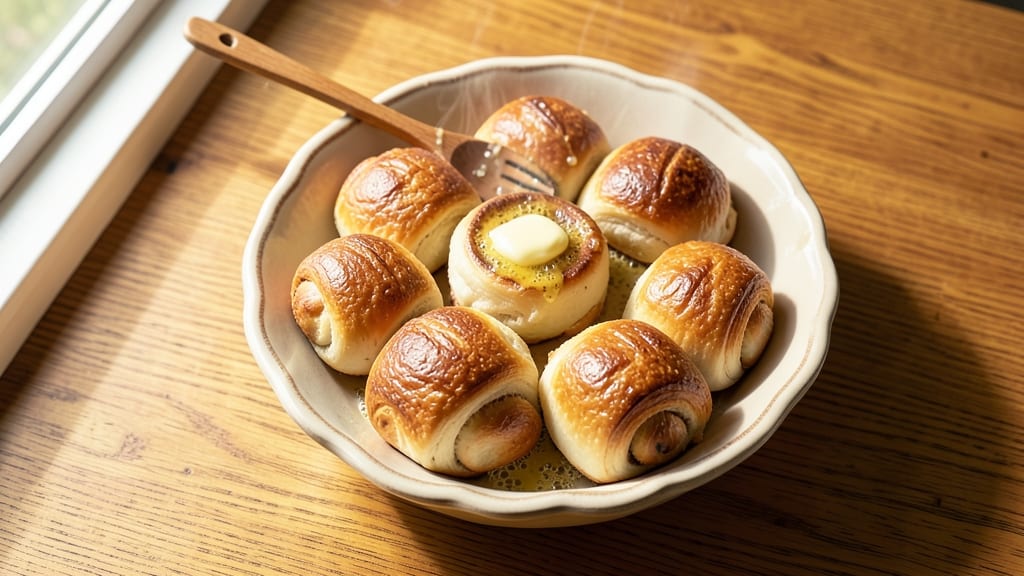
Making Pillsbury-style dinner rolls from scratch delivers that perfect buttery, flaky texture you crave—no shortcuts needed. I remember standing on a stool in Nonna's kitchen, watching her shape dough with confidence, and that's exactly what this recipe teaches you to recreate at home.
The secret lies in precise timing and a touch of patience that transforms simple ingredients into golden, shatteringly tender rolls.
This recipe focuses on the classic buttery flavor and texture that makes dinner rolls irresistible. You'll work with a simple dough that requires just five ingredients—flour, yeast, butter, milk, and sugar—and a method that ensures perfect rise and bake every time.
The key is letting the dough rest properly between kneading and shaping, which develops those signature layers that make each bite melt in your mouth.
By the time these rolls emerge from the oven, you'll have a batch of golden-brown, flaky, and buttery dinner rolls that rival any bakery version. They're soft enough to soak up gravy or melt with butter, yet sturdy enough to hold sandwich fillings.
The aroma alone will have everyone gathering around the table, and the texture—crispy on the outside, tender within—is what makes these rolls worth the effort.
Once you master the basics, you can easily customize with garlic, herbs, or even cinnamon sugar for sweet variations. Perfect for holiday dinners, family gatherings, or a comforting weeknight meal, these rolls are a blank canvas for any occasion. Let's get started on creating your own perfect batch.
Ingredients for pillsbury dinner rolls
Five simple ingredients transform into golden, shatteringly tender dinner rolls like Nonna used to make.
| Ingredient | Amount | Notes |
|---|---|---|
| All-Purpose Flour 🌾 | 4 cups | Spooning and leveling for accuracy |
| Unsalted Butter 🧈 | ½ cup | Cold, cubed for easier mixing |
| Active Dry Yeast 🍞 | 2 ¼ tsp | Freshly opened for best results |
| Granulated Sugar 🍚 | 1 tbsp | White or brown sugar works |
| Whole Milk 🥛 | ½ cup | Room temperature preferred |
| Large Eggs 🥚 | 1 whole | Room temperature for even mixing |
| Salt 🧂 | ½ tsp | Kosher or sea salt preferred |
| Egg Wash 🥚 | 1 whole | 1 egg beaten for brushing |
| Coarse Sugar 🍚 | 1 tbsp | For sprinkling on top |
The butter is non-negotiable here—unsalted, cold cubes create those signature flaky layers. Land O'Lakes or Plugrá are my go-tos, but any good-quality brand works. The yeast? Freshly opened is key—if it's been sitting in your pantry for months, it might not rise right. For the flour, King Arthur or Gold Medal are reliable, but any all-purpose will do. Pro tip: measure your flour by weight if you can—4 cups equals about 16 oz—for more consistent results. The milk should be room temperature, not cold straight from the fridge, so it activates the yeast faster.
No unsalted butter? Salted butter minus 1/4 tsp salt works in a pinch, but it's worth tracking down unsalted for the best flavor. Short on milk? Warm water plus 1 tbsp melted butter mimics the richness. The egg wash can be made with just the yolk if you're watching calories—it's still delicious, just slightly richer. For a garlic twist, add 1 tsp minced garlic to the dough. Want sweet rolls? Swap the coarse sugar for cinnamon sugar and add a pinch of cinnamon to the dough. The yeast is the star—if it's old, it might not rise properly, so check the expiration date.
These rolls keep well for 2 days at room temperature, wrapped in a clean kitchen towel. For longer storage, freeze shaped rolls (before baking) for up to 3 months—just thaw overnight before baking. The aroma when they come out of the oven? Worth every minute. I always bake extra and freeze them—nothing beats warm dinner rolls straight from the oven, but having them ready to reheat is a game-changer for busy weeknights.
Why You'll Love This Recipe
- No-Yeast Struggle: I swear by this recipe because it skips the fuss of waiting for yeast to bloom. Just mix flour, milk, and a pinch of sugar—no measuring cups, no guesswork—then let the dough rise while you prep dinner. That’s how you win weeknights.
- Butter-Kissed Magic: That cold, cubed butter melting into warm dough? It’s the secret weapon. Every bite delivers a flaky, golden crust with a pillowy center—like a hug from a bakery, but made with ingredients you already have.
- Weekend Feast Ready: Double the batch, freeze half, and boom—you’ve got dinner rolls for Sunday brunch or holiday leftovers. I keep a stash in my freezer because nothing beats pulling out rolls straight from the fridge, popping them in the oven, and smelling that buttery aroma.
- Pocketbook-Friendly Luxury: You’re using basic pantry staples, but the result? Homemade rolls that cost pennies per serving. Honestly, my grocery budget thanks me every time I skip the store-bought pack. Plus, one tub of butter stretches across three batches—math that makes me happy.
Step-by-step instructions for pillbury dinner rolls
Here's how to create golden, flaky dinner rolls with layers that melt in your mouth—every time.
Activate the Yeast and Mix the Dough
In a large bowl, combine the 0.5 cup whole milk with 1 tablespoon granulated sugar and 2.25 teaspoons active dry yeast. Let this sit for 5-10 minutes until it becomes frothy—this confirms the yeast is alive and ready to work. If it doesn't bubble, your rolls won't rise properly.
Next, add the 4 cups all-purpose flour and 0.5 teaspoon salt to the bowl. Stir just until combined, then cut in the 0.5 cup cold, cubed unsalted butter using a pastry cutter or your fingers. The butter should be in small, pea-sized pieces throughout the dough—this creates those signature flaky layers later.
Knead Until Smooth and Elastic
Add the 1 whole large egg to the bowl and mix until fully incorporated. Turn the dough onto a lightly floured surface and knead for 8-10 minutes until it becomes smooth and elastic. You'll know it's ready when it springs back slightly when poked and doesn't stick to your fingers.
Real talk: Don't skip the kneading. Proper gluten development gives you that perfect rise and texture. If the dough feels too sticky, add 1 tablespoon flour at a time until it comes together smoothly. Shape into a ball, place in a lightly greased bowl, cover with a damp towel, and let rise in a warm place for 1-1.5 hours or until doubled in size.
Shape and Second Rise for Perfect Texture
Punch down the risen dough to release air, then turn it out onto a lightly floured surface. Divide into 12 equal pieces (about 2 ounces each) and shape into balls. Arrange them in a greased 9x13-inch baking dish, leaving 1 inch between rolls—this gives them room to expand.
Cover again and let rise for another 30-45 minutes until puffy. Here's the thing—don't overcrowd the pan. If they touch during baking, they'll stick together and lose that beautiful individual rise. The tops should be slightly rounded but not touching their neighbors.
Bake to Golden Perfection
Preheat your oven to 375°F. Brush the rolls with 1 whole egg wash (beat the egg with a tablespoon of water) and sprinkle with 1 tablespoon coarse sugar for that classic caramelized finish. Bake for 18-22 minutes until they're deep golden brown and sound hollow when tapped on the bottom.
Watch closely after 15 minutes—the sugar will caramelize quickly. If the tops brown too fast, tent with foil for the last 5 minutes to prevent burning. The rolls should be soft inside with crisp, buttery edges. Let cool for 5 minutes before serving—this prevents them from falling apart when you cut into them.
Serve Warm with Butter
Transfer the rolls to a wire rack and brush the tops with melted unsalted butter while still warm. Serve immediately with honey, jam, or as a side to your favorite main dishes. The contrast of warm, buttery rolls with sweet toppings is pure comfort food magic.
Pro tip: If you have leftovers, store them in an airtight container at room temperature for up to 2 days or freeze for 1 month. Reheat in a 350°F oven for 10-12 minutes to restore that fresh-baked goodness. These rolls are worth every minute of effort!
Pro Tips For Making Pillsbury Dinner Rolls
- Warm the Milk First: Cold milk kills yeast faster than a snowball in July. Heat the whole milk to about 110°F (just warm to the touch) before mixing it with sugar and yeast—this jumpstarts fermentation so your rolls rise twice as fast. I used to skip this and end up waiting twice as long for the dough to proof.
- Cut Butter Cold: Use unsalted butter straight from the fridge, cut into 1-inch cubes. Cold butter creates flaky layers that melt into pockets of golden goodness—warm butter just dissolves into a greasy mess. Trust me, your rolls will thank you with that perfect tender bite.
- Don’t Overwork the Dough: Once you knead in the butter, stop when the dough is just slightly tacky—not sticky enough to make a mess, but not dry either. Overworking develops gluten and turns your pillowy rolls into dense bricks. Two minutes past the point is two minutes too long.
- Proof Until They’re Ready: Fill the pan and let the rolls rise until they’ve puffed over the edges and touch each other. No peeking! If you open the oven early, they’ll collapse like a deflated balloon. The first time I rushed this, I ended up with sad, flat rolls that looked like hockey pucks.
Wine and beer pairings for pillsbury dinner rolls
Buttery Rolls Meet Light Beer
For a casual, weeknight dinner, I pair these Pillsbury-style dinner rolls with a crisp American lager like Bud Light or Coors Banquet. The light, clean flavor of these beers complements the buttery richness without overpowering it.
The carbonation also cuts through the richness, making each bite feel fresh. If you prefer something with a bit more character, try a wheat beer like Blue Moon—its citrus notes balance the rolls' sweetness beautifully. 🍺
Sweet Wine for Holiday Gatherings
When serving these rolls at holiday meals, I reach for a Moscato d'Asti or Riesling—both have enough sweetness to match the caramelized sugar on top while keeping the palate clean. The slight effervescence of Moscato helps reset your taste buds between bites, making the buttery texture even more enjoyable.
For a red option, a Pinot Noir with its bright acidity works surprisingly well, especially if you're serving these rolls with a hearty roast. 🍷
Malty Ale for Rich Pairings
If you're serving these rolls with a steak dinner or mac and cheese, a honey brown ale like Samuel Adams Noble Experiment adds a lovely contrast. The caramel and toasted malt notes in the beer mirror the buttery, golden-brown crust of the rolls, creating a harmonious pairing.
For a bolder option, try a Belgian dubbel—its spiced complexity stands up to the rolls' richness while adding an interesting layer of flavor. 🍻
Coffee or Tea for Brunch
For a morning or brunch setting, I love serving these rolls with a strong black coffee or Earl Grey tea. The bitterness of coffee enhances the buttery flavor, while the bergamot notes in Earl Grey add a bright, citrusy contrast.
If you prefer something sweeter, a chai latte with its spiced warmth complements the rolls' caramelized sugar beautifully. ☕
Avoid Heavy or Oaky Flavors
Skip the bold, oaky whites like Chardonnay or heavy reds like Cabernet Sauvignon—they'll overpower the delicate buttery notes of the rolls. Even stouts or IPAs can be too intense, masking the rolls' natural sweetness and texture.
Stick to lighter, crisper options that let the rolls shine without competing for attention. The goal is harmony, not competition! 💫
Nutrition facts
Frequently asked questions
Why do my homemade dinner rolls turn out dense instead of fluffy?
Dense rolls usually mean the yeast didn't activate properly or the dough didn't knead enough. Always check your yeast by mixing it with warm milk and sugar first—it should bubble within 5-10 minutes. Also, knead for the full 8-10 minutes to develop gluten, and let the dough rise in a warm spot (like a turned-off oven with a bowl of hot water). Cold kitchens slow yeast activity, so keep your dough cozy!
Can I make these rolls without an egg wash?
Yes! For a lighter finish, brush with 2 tablespoons melted butter mixed with 1 tablespoon milk instead. If you're avoiding eggs entirely, try 1 tablespoon olive oil mixed with 1 tablespoon water for shine. Just skip the sugar sprinkle—it needs the egg wash to caramelize properly. The rolls will still be delicious, just slightly less golden.
How do I adjust this recipe for a larger batch?
Double all ingredients (including yeast) for 24 rolls, but use two 9x13-inch pans to prevent overcrowding. For 36 rolls, triple the recipe and bake in three pans. The key is keeping the dough pieces 2 inches apart so they rise evenly. You'll need about 1.5 hours total rising time for larger batches—divide the dough and let each portion rise separately.
What's the best way to reheat leftover dinner rolls?
Wrap cooled rolls in a damp paper towel and microwave for 15-20 seconds to restore softness. For oven reheating, bake at 350°F for 10-12 minutes until golden. The microwave method works faster but may dry out the crust slightly. Pro tip: Store rolls in an airtight container with a slice of bread to keep them moist overnight. Freshly baked is always best, but reheating preserves that buttery goodness!
Can I substitute butter with oil for these rolls?
Not recommended—oil lacks the fat layers that create the signature flaky texture. However, if you must, use 0.25 cup melted butter plus 0.25 cup vegetable oil (same total fat). For best results, stick with cold butter cubes—they create steam pockets during baking that make these rolls so tender. The flavor difference is worth the effort!