
Side Dishes
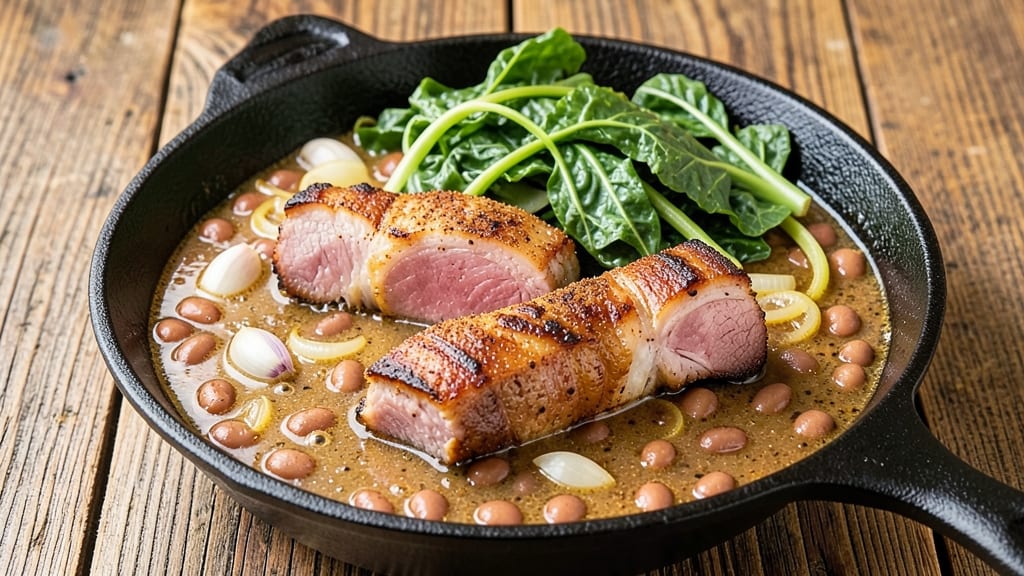
Paula Deen's ham hock and beans recipe transforms simple ingredients into a smoky-sweet masterpiece that defines Southern comfort food. The ham hock infuses the beans with deep, savory richness while collard greens melt into tender perfection—every bite carries that unmistakable soulful flavor.
This dish isn't just a side; it's the heart of a meal, where slow cooking builds layers of taste that make it impossible to resist.
The secret lies in the low-and-slow method, where the ham hock simmers for hours, breaking down into flavorful chunks while the beans absorb its essence. No shortcuts here—this is classic Southern technique, where patience pays off in the most delicious way.
The collards wilt into buttery tenderness, their natural bitterness softened by the smoky-sweet broth.
What you'll end up with is a dish that's rich, hearty, and full of character—the kind of meal that makes your kitchen smell like home. The ham hock adds depth, the beans provide substance, and the collards bring freshness to balance everything.
This isn't just a recipe; it's a taste of tradition, a dish that tells a story with every spoonful.
Perfect for family dinners, holiday feasts, or when you want to bring a little Southern warmth to your table. Let's get cooking—this dish is worth every minute of the wait.
Ingredients for paula deen ham hock and beans
Six core ingredients transform into Paula Deen's legendary smoky-sweet Southern masterpiece.
| Ingredient | Amount | Notes |
|---|---|---|
| Ham Hock 🍖 | 2 whole | Smoked, bone-in preferred |
| Dry Pinto Beans 🌽 | 2 cups | Unsoaked, rinsed thoroughly |
| Fresh Collard Greens 🥬 | 1 lb | Center stalks removed, chopped |
| Yellow Onion 🧅 | 1 whole | Medium, diced |
| Garlic Cloves 🧄 | 4 cloves | Minced, fresh preferred |
| Smoked Paprika 🌶️ | 1 tbsp | For authentic smoky flavor |
| Ground Black Pepper 🌶️ | ½ tsp | Freshly cracked |
| Kosher Salt 🧂 | 1 ½ tsp | Adjust to taste |
| Apple Cider Vinegar 🍎 | ¼ cup | For tangy brightness |
| Bay Leaves 🍃 | 2 whole | Fresh if available |
| Unsalted Butter 🧈 | 4 tbsp | Full-fat for richness |
| Hot Sauce 🔥 | 1 tbsp | Optional, for heat |
| Water 💧 | 6 cups | Or low-sodium broth |
The ham hock is non-negotiable—it's the soul of this dish. Look for smoked ham hocks at specialty butchers or the deli section of Whole Foods, where they often carry high-quality options. A whole ham hock (not pre-cut) gives you more flavor as it breaks down. If you can't find smoked, regular ham hock plus a smoked paprika boost works in a pinch. Pinto beans should be dry, not canned—soaking overnight isn't required, but rinsing thoroughly removes debris. For collards, organic is ideal—they wilt more evenly and have fewer gritty stems. Buy the dark green, crisp leaves and skip the yellowing ones.
No smoked paprika? Substitute liquid smoke at half the amount, but don't overdo it—you want smoky, not charred. Fresh collards unavailable? Frozen chopped collards work, but thaw and drain well first. The apple cider vinegar adds that signature tang—white vinegar is a decent substitute, but the apple flavor is traditional. For the butter, full-fat is essential—low-fat versions won't give that rich finish. The hot sauce is optional, but if you love heat, Crystal or Tabasco are classic choices. Water can be swapped for low-sodium chicken broth for extra depth, but don't add salt to compensate—let the ham hock and beans build flavor naturally.
This dish tastes even better the next day—make extra if you can. Store in the fridge for up to 5 days, covered with a splash of broth to keep moist. For freezing, portion into airtight containers and thaw overnight in the fridge. The ham hock can be pre-boiled for 10 minutes to remove some of the initial bloodwater, but skip this if you want maximum flavor infusion. The collards will keep in the fridge for 1 week if wrapped in a damp towel. For serving, a sprinkle of freshly cracked black pepper and a dollop of butter make all the difference.
Why You'll Love This Recipe
- One-Pot Magic: I swear by this recipe for lazy nights—the ham hock simmers right in the pot with the beans, so no extra pans or cleanup. Just toss everything in, add water, and let it work its flavor while you sip coffee.
- Smoky-Sweet Perfection: That ham hock? It’s the star—crispy edges, rich broth, and a salty-sweet depth that turns dry beans into something ridiculously good. The collards melt into tender, garlicky goodness, and the onions caramelize right in the pot.
- Weeknight Workhorse: This feeds a crowd but costs less than takeout. I make double batches—perfect for meal prep, potlucks, or when my kids’ friends show up hungry. Honestly, it’s my go-to when I need something hearty without fuss.
- Budget-Friendly Staple: Pinto beans and collards stretch into meals for days, and a single ham hock flavors everything. Leftovers taste even better the next day—reheat with a splash of water, and it’s like a second dinner. My wallet and my family thank me.
Step-by-step instructions for Paula Deen's ham hock and beans
Here's how to create this soul-warming dish with rich, smoky depth and tender collards.
Prepare the Ham Hock and Beans
Place the 2 whole ham hock in a large Dutch oven and cover with the 6 cups water. Bring to a boil over high heat, then immediately reduce to a simmer. Skim off any foam that rises to the surface during the first 5 minutes—this ensures a cleaner broth. Add the 2 cups dry pinto beans, then stir in the 1 whole yellow onion, 4 cloves garlic cloves, 1 tbsp smoked paprika, 0.5 tsp ground black pepper, 1.5 tsp kosher salt, and 2 whole bay leaves.
Simmer uncovered for 1 hour, stirring occasionally. You'll notice the beans beginning to soften and the liquid reduce slightly as flavors meld. The ham hock should release its collagen into the broth, creating a rich, savory base. If the water level drops below halfway up the beans, add enough hot water to maintain the proper liquid level.
Cook Until Beans Are Tender
Continue simmering for an additional 45-60 minutes, or until the pinto beans are fork-tender but not mushy. They should hold their shape when pierced with a fork but still have a slight bite. The ham hock should be falling off the bone—this indicates it's rendered enough flavor into the beans.
I like to check doneness by tasting a bean directly from the pot. It should be soft inside with a slight resistance at the edges. If the beans aren't quite tender enough, add another 10-15 minutes of cooking time. The longer they cook, the more flavor they'll absorb from the ham hock and broth.
Prepare the Collard Greens
While the beans cook, prepare the 1 lb fresh collard greens by removing the center stalks and chopping them into 1-inch strips. In a separate large skillet, melt the 4 tbsp unsalted butter over medium heat. Add the collards in batches, stirring frequently for 5-7 minutes until they begin to wilt and soften. Season with an additional pinch of kosher salt and ½ tsp black pepper.
Here's where the magic happens: stir in the 0.25 cup apple cider vinegar and 1 tbsp hot sauce. The vinegar brightens the greens while the hot sauce adds a subtle kick. Cook for another 3-4 minutes until the collards are tender but still vibrant green. Remove from heat and set aside.
Combine and Finish
Once the beans are tender, carefully remove the ham hock from the pot and let it cool slightly. You can shred the meat using two forks, discarding any bones. Return the shredded ham hock to the pot and stir to combine with the beans and broth. Taste and adjust seasoning if needed—this is where you'll appreciate having the beans cook in their own juices.
Add the prepared collard greens to the bean mixture and stir gently to coat. Simmer together for an additional 10 minutes to allow the flavors to meld completely. The collards will absorb some of the bean broth, becoming even more tender and flavorful. The dish should have a rich, smoky aroma with hints of vinegar brightness.
Serve with Confidence
Ladle the ham hock and beans into bowls, making sure each serving gets an even distribution of greens. The perfect serving should feature tender beans, shredded ham hock, and vibrant collards all bathed in that smoky-sweet broth. Garnish with additional hot sauce if desired, and serve with cornbread or crusty bread to soak up every last bit of flavor.
This dish tastes even better the next day as the flavors continue to develop. The beans will absorb more of the rich ham hock broth, creating an even more satisfying texture. Leftovers keep well in the refrigerator for up to 5 days, making this a perfect meal prep option for busy weeks.
Pro Tips For Making Paula Deen Ham Hock And Beans
- SOAK BEANS OVERNIGHT: I learned this the hard way—rushing the soak leads to tough beans. Use a big bowl, cover dry pintos with cold water by 2 inches, and let them sit 12+ hours. Drain and rinse just before cooking; no need to boil them first. This cuts cooking time by nearly half and keeps them creamy.
- SEAR THE HAM HOCK: That ham hock needs a good crust to flavor the beans. Pat it dry with paper towels, then sear skin-side down in a hot Dutch oven (no oil needed—it’s fatty enough) until deep brown, about 8–10 minutes. Flip once to render fat evenly. Skip this, and your beans taste bland.
- SALT THE WATER LATE: Add salt to the bean broth only after the ham hock has simmered 30 minutes. Early salt tightens the meat and keeps beans from softening properly. Stir in 1–2 teaspoons per quart of liquid at the 30-minute mark—your future self will notice the difference.
- CHOP COLLARDS SMALL: Paula Deen’s version relies on tender greens, so chop collards into ½-inch strips before adding them. Toss them in the hot pot with a splash of vinegar (or lemon juice) to wilt slightly—this guarantees they melt into the beans instead of floating like sad, limp rafts. (Yes, even if you’re impatient like me.)
Storing and reheating this paula deen ham hock and beans
Refrigerator Storage
After your ham hock and beans cool to room temperature, transfer them to an airtight container—I use glass Pyrex with snap-on lids for best results. Store in the fridge at 40°F or below for up to 5 days.
The flavors actually deepen overnight as the beans absorb more of the smoky ham broth. For collards, keep them in a separate container wrapped in a damp towel to maintain crispness. 💛
Freezer Prep
For long-term storage, portion the dish into freezer-safe containers or quart-sized freezer bags, leaving 1-inch headspace for expansion. Label with the date—this beauty keeps for up to 3 months without losing texture.
Thaw overnight in the fridge for even heating. I recommend freezing the beans and ham hock separately from the collards, as greens can get soggy when reheated.
Stovetop Reheating
My preferred method for restaurant-quality results: transfer the chilled beans to a heavy-bottomed pot and add ¼ cup water or low-sodium broth to prevent sticking. Heat over medium-low for 10-15 minutes, stirring occasionally.
The collards should go in a separate skillet with 1 tbsp butter and reheat for 3-4 minutes—just until warmed through. Taste and adjust seasoning, as flavors concentrate during storage. 🔥
Microwave Shortcut
For quick meals, microwave individual portions covered with a damp paper towel on 70% power for 3-4 minutes, stirring halfway. Add a splash of water if the beans look dry.
The collards can be reheated separately in the microwave for 1-2 minutes with a pat of butter. This method works best for single servings—never reheat the entire batch at once.
Ham Hock Hack
If you pre-boiled the ham hock for 10 minutes before cooking, store it separately in the broth. When reheating, add it back to the beans for 5 minutes to reabsorb flavors.
For extra richness, stir in 1 tbsp butter or a splash of apple cider vinegar during reheating—this mimics the fresh-prep tanginess. 💡
Collard Revival
Wilted collards? No problem! Reheat them with 1 tbsp butter and 1 tsp apple cider vinegar over medium heat for 2-3 minutes. The acidity brightens them up while the butter restores their buttery texture.
For extra vibrancy, finish with a pinch of smoked paprika and black pepper. This trick works wonders on day-old greens.
Nutrition facts
Frequently asked questions
Why does Paula Deen's recipe use ham hock instead of just ham?
The ham hock is the secret weapon in this dish—it's not just about the meat. As it simmers, the collagen-rich bones break down into the broth, creating a rich, gelatinous texture that makes the beans creamy and luxurious. The smoky flavor infuses everything, while the meat itself becomes tender and flavorful. You can't replicate this depth with pre-cooked ham or ham steak.
Can I substitute canned beans for dry beans in this recipe?
While you can use canned beans in a pinch, dry beans are preferred for their superior texture and flavor development. The long simmer time allows the beans to absorb all that smoky ham flavor, creating a dish with depth. If using canned, drain and rinse them well, then simmer with the ham hock for at least 30 minutes to let them absorb the broth. The result won't be quite as rich, but it'll still be delicious.
How do I know when the beans are fully cooked?
Test the beans by mashing one between your fingers—it should be soft inside with a slight resistance at the edges. They should hold their shape when pierced with a fork but still have a slight bite. The ham hock should be falling off the bone, which indicates it's rendered enough flavor into the beans. If they're still firm, give them another 10-15 minutes of cooking time.
What's the best way to serve this dish?
This rich, smoky-sweet dish pairs perfectly with warm cornbread or crusty bread to soak up the flavorful broth. For a complete Southern meal, serve alongside roasted potatoes, buttered corn, or a simple green salad. Garnish with extra hot sauce if you love heat, or a sprinkle of freshly cracked black pepper for brightness. It's also fantastic over rice or as a filling for biscuits.
Can I make this recipe without smoked paprika?
Yes, but you'll miss that authentic smoky flavor. Try using ½ teaspoon liquid smoke instead, but don't overdo it—you want smoky, not charred. Alternatively, add a ½-inch piece of smoked bacon or a dash of garlic powder for depth. The key is balancing the smokiness with the sweetness from the ham and beans. The dish will still be delicious, just with a slightly different profile.