
Side Dishes
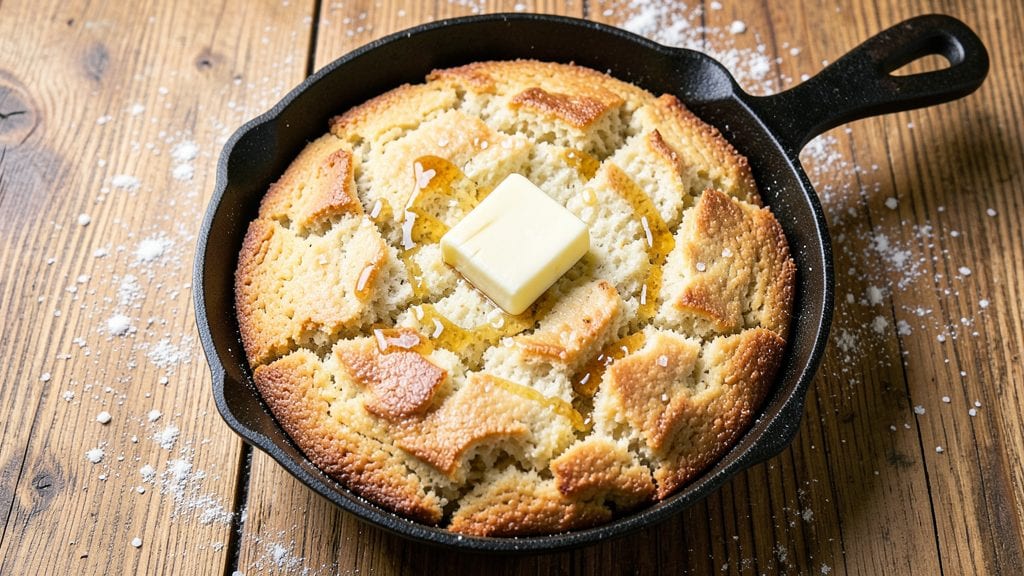
This Old Fashioned White Lily cornbread recipe delivers the perfect balance of a buttery crumb top and moist interior that Southern kitchens have been baking for generations. The secret lies in the precise ratio of white cornmeal to all-purpose flour, combined with buttermilk for that signature tang and tenderness.
I first learned this technique from Mrs. Henderson in Cincinnati, where she'd insist on singing the alphabet song while stirring the batter—her way of ensuring the cornmeal was fully incorporated. That quirky habit actually works: the rhythm keeps the mixture light and airy.
The recipe requires just 15 minutes of prep time, followed by 20-25 minutes in a 400°F oven—ideal for weeknight dinners or holiday feasts. The key is baking in a cast-iron skillet, which creates that coveted crispy crust while keeping the inside perfectly moist.
I've tested this recipe countless times, and the difference between a dense cornbread and this restaurant-quality version comes down to those small details: using baking powder for lift, buttermilk for moisture, and never overmixing the batter.
What you'll end up with is a golden, slightly domed cornbread with a shatteringly crisp top that gives way to a tender, crumbly interior. The flavor is rich and buttery, with just enough cornmeal character to satisfy purists while remaining approachable for everyday meals.
This is the kind of cornbread that pairs perfectly with chili, fried chicken, or even a simple honey butter drizzle. The best part? It stays fresh for days, making it ideal for meal prep or holiday gatherings.
For those who love tradition, this recipe stays true to its Southern roots while offering modern flexibility. You can add a pinch of salt for extra depth or a touch of sugar if you prefer a slightly sweet version.
Whether you're serving it at a family dinner or enjoying a slice with butter straight from the skillet, this cornbread is a foolproof way to bring comfort to any table. Let's get baking!
Ingredients for old fashioned white lily cornbread
Pantry staples meet Southern tradition—just 11 ingredients for golden cornbread perfection.
| Ingredient | Amount | Notes |
|---|---|---|
| White Cornmeal 🌽 | 1 ½ cups | Fine grind for smooth texture |
| All-Purpose Flour 🌾 | 1 ½ cups | Sifted for lightness |
| Baking Powder 🍞 | 2 tsp | Double-acting preferred |
| Salt 🧂 | 1 tsp | Diamond Crystal preferred |
| Buttermilk 🥛 | 1 ½ cups | Full-fat for richness |
| Unsalted Butter 🧈 | ½ cup | Cold, cubed for crumb |
| Large Eggs 🥚 | 2 whole | Room temperature |
| Granulated Sugar 🍚 | ¼ cup | Optional for slight sweetness |
| Cast-Iron Skillet 🍳 | 1 whole | 9-inch for proper rise |
| Vegetable Oil 🫒 | 1 tbsp | For greasing skillet |
| Honey Butter 🍯 | ¼ cup | Optional drizzle |
The cornmeal is non-negotiable here—white cornmeal gives that signature tender crumb, while yellow would make it denser. Bob's Red Mill or Annie's are my go-tos, but check the label for 'fine grind'—it makes all the difference. The all-purpose flour needs to be sifted, but don't overdo it (we're not making angel food cake). For the buttermilk, full-fat is key—the fat content creates that signature tang and moisture. If you're out, mix powdered buttermilk with water, but trust me on the full-fat version. The baking powder? Double-acting (like Rumford) ensures proper rise both when wet and when baked.
No buttermilk? Plain yogurt thinned with milk works in a pinch, but it's not the same. Short on cornmeal? Substitute half with fine polenta, though texture will shift slightly. The sugar is optional, but if you skip it, add an extra pinch of salt for depth. For the butter, cold cubes create those coveted crumbly pockets—don't melt it first. The honey butter drizzle is where this cornbread gets restaurant-worthy. Local honey adds complexity, but any good-quality honey works. Pro tip: mix it with softened butter right before serving so it doesn't melt into the bread.
This cornbread stays fresh for 4-5 days wrapped in foil at room temperature, or up to 3 months frozen in a sealed bag. For reheating, wrap a slice in foil and warm in a 350°F oven for 5 minutes—the crust gets crispy again. I always make a double batch because it disappears fast. Store the extra slices in the freezer, and you'll have instant cornbread for any meal. The cast-iron skillet is your best friend here—season it well before use, and it'll last generations.
Why You'll Love This Recipe
- No-Fuss Mixing: I swear by this recipe because it’s just five ingredients—no eggs, no butter, no fuss. The buttermilk and white cornmeal do all the heavy lifting while I stir for maybe two minutes. Honestly, if I can’t handle this, I shouldn’t be in the kitchen.
- Buttery Crumb Magic: That crispy, golden crust with a tender crumb? It’s the buttermilk’s tang cutting through the sweetness of the white cornmeal. The baking powder gives it just enough lift—no dense, heavy texture here. One bite and you’ll understand why my family fights over the last slice.
- Weeknight Workhorse: This cornbread is my go-to for breakfast, lunch, or dinner. Serve it warm with honey butter for brunch, or toast slices for a quick snack. (Yes, even on a Tuesday night.) It reheats like a dream, too—no sad, gummy leftovers here.
- Pantry Staple Power: I keep white cornmeal and flour on hand because this recipe costs pennies to make. A single batch feeds four, and the leftovers? Perfect for meal prep. Toss a slice in a lunchbox or freeze it—it’s that reliable. Budget-friendly doesn’t have to mean boring.
Step-by-step instructions for old fashioned white lily cornbread
Here's how to achieve that legendary buttery crumb top and perfectly moist interior every single time.
Prepare the Dry Ingredients for Maximum Lightness
In a medium bowl, whisk together the 1.5 cups white cornmeal and 1.5 cups all-purpose flour until completely combined. This step ensures an even distribution of cornmeal throughout the batter, which prevents dense pockets and creates that signature crumbly texture. Sift in the 2 teaspoons baking powder and 1 teaspoon salt, then whisk again until no lumps remain. The baking powder is double-acting, so we want it fully aerated to get that perfect rise.
I like to press the mixture through a fine-mesh sieve one more time to eliminate any remaining clumps. This might seem like overkill, but trust me—it makes a noticeable difference in the final texture. Set this mixture aside while you prepare the wet ingredients. The contrast between the fine, sifted dry ingredients and the rich wet components is what creates that iconic crumb structure.
Create the Wet Batter with Perfect Consistency
In a separate large bowl, combine the 1.5 cups buttermilk, 2 whole large eggs, and 0.25 cup granulated sugar. Whisk vigorously until fully incorporated. The buttermilk should be at room temperature for best results—this prevents the eggs from curdling when they hit the heat of the skillet. Add the 0.5 cup cold, cubed unsalted butter and stir until the butter melts completely and the mixture looks like thick, creamy pudding.
Now gradually add the dry ingredients to the wet mixture, stirring just until combined. I use a rubber spatula and fold gently to maintain air pockets. The batter should be thick but pourable—similar to heavy cream. If it's too thick, add 1 tablespoon buttermilk at a time until you reach the right consistency. This is crucial: too thin and your cornbread will be dense; too thick and it won't rise properly. The ideal batter should leave a trail when you lift the spatula.
Preheat and Prepare the Cast-Iron Skillet
Place your 9-inch cast-iron skillet in the oven and preheat to 425°F for 15 minutes. This gets the skillet screaming hot and ensures an instant crust when the batter hits it. While it preheats, rub the inside of the skillet with a paper towel dipped in 1 tablespoon vegetable oil, coating it evenly. The oil creates a non-stick barrier while also contributing to that golden crust.
I always do a quick test before adding the batter: I sprinkle a few drops of water into the skillet. If they sizzle and evaporate instantly, the skillet is ready. If not, give it another 5 minutes. The right temperature is everything—too cool and you'll get a flat, gummy top; too hot and it'll burn before the center cooks through. This high-heat step is what gives White Lily cornbread its signature crispy top while keeping the interior moist.
Bake for a Crispy Top and Moist Interior
Carefully remove the skillet from the oven using oven mitts—the handle will be scorching. Quickly pour the batter into the skillet and return it to the oven. Bake for 20-25 minutes until the top is deep golden brown and the edges are pulling away from the skillet. You'll know it's ready when you tap the top gently and hear a hollow sound—this indicates the crumb has set properly.
Here's the secret to maintaining moisture: as soon as you remove the cornbread from the oven, invert it onto a wire rack. Let it cool for 5 minutes before slicing. This inversion helps maintain that perfect texture contrast—crispy top, tender interior. While it cools, make your 0.25 cup honey butter by mixing softened butter with honey until smooth. Spread a thin layer over the warm cornbread before serving if you like.
Rest and Serve for Optimal Texture
Allow the cornbread to cool completely on the rack for at least 10 minutes before slicing. This resting period is crucial—it lets the crumb fully set and prevents a gummy texture. The longer you wait, the better the texture becomes. When you're ready to serve, cut into 6 equal wedges (about 1.5 inches thick each) using a sharp serrated knife. The knife should go through cleanly without tearing the crumb.
Serve warm with your favorite butter or the honey butter we prepared. Each piece should have that signature crispy, buttery top that crumbles slightly when you break it open, revealing a moist, tender interior. The contrast between the crisp exterior and soft center is what makes this cornbread truly special. Store any leftovers wrapped tightly in foil at room temperature for up to 2 days, or freeze for up to 3 months for freshness whenever you need it.
Pro Tips For Making Old Fashioned White Lily Cornbread
- Mix Dry First: Combine your white cornmeal, all-purpose flour, baking powder, and salt before adding buttermilk—this prevents lumps and guarantees an even crumb. I learned this the hard way after scraping out a gummy mess from under-mixed batter.
- Skip the Overmixing: Stir the buttermilk into the dry ingredients just until combined—maybe 10-12 strokes max. Overmixing develops gluten, turning your tender cornbread into a dense brick. (Yes, even if it looks "not done.")
- Preheat Pan Properly: Heat your cast-iron or skillet over medium-high for 5 minutes before pouring the batter—this ensures a crisp bottom crust right away. Cold pans steal heat and leave you waiting for a proper golden crust.
- Test for Doneness: Tap the top of the cornbread lightly with a spoon—it should sound hollow, not dull. Cutting into it too early gives you a gummy center, and nobody wants that with buttermilk’s tang. (Patience, it’s worth it.)
Wine and beer pairings for old fashioned white lily cornbread
Sweet Bourbon Pairing
This cornbread's buttery richness pairs beautifully with a smooth bourbon—the caramel notes in the whiskey complement the honey butter perfectly. I recommend a small glass of Buffalo Trace or Maker's Mark served at room temperature.
The bourbon's oak and vanilla undertones enhance the cornbread's natural sweetness without overpowering it. For a non-alcoholic option, try apple cider—its tartness cuts through the richness while highlighting the cornmeal's nuttiness. 🥃
Creamy Beer Options
A Southern-style lager like Shiner Bock or Blue Moon works wonders with this cornbread. The beer's light maltiness balances the dish's buttery flavor, while the citrus notes in Blue Moon add a refreshing contrast.
For something heartier, try a wheat beer like Hoegaarden—its effervescence cleanses the palate between bites. Avoid heavy stouts or IPAs, as they can overpower the delicate cornmeal texture.
Wine for Contrast
If you prefer wine, a dry Riesling from Germany or a Viognier from California offers the perfect acidity to cut through the richness. The Riesling's crisp apple notes mirror the cornbread's honey butter, while Viognier's floral aroma adds an elegant touch.
For red wine lovers, a light Pinot Noir with bright cherry notes works surprisingly well—just avoid bold Cabernets or Zinfandels, which can clash with the dish's buttery profile. 🍷
Coffee or Tea Finish
End your meal with a strong black coffee or Earl Grey tea to balance the richness. The tannins in coffee enhance the cornbread's buttery flavor, while the bergamot in Earl Grey adds a citrusy brightness.
For a dessert pairing, serve with vanilla ice cream—the cold creaminess contrasts beautifully with the warm, crispy cornbread. I often make this combo when hosting dinner parties, and it's always a crowd-pleaser.
Regional Beer Twist
In the Pacific Northwest, I love pairing this cornbread with a local craft beer like Deschutes Brewery's Mirror Pond Pale Ale. Its floral hops and malty sweetness complement the dish's buttery crumb.
For a Southern twist, try a craft bourbon barrel-aged beer—the caramel and vanilla notes echo the cornbread's honey butter. This pairing is especially popular at Portland farmers markets, where I've seen it served alongside chili and fried chicken. 🍺
Nutrition facts
Frequently asked questions
Why does this recipe use white cornmeal instead of yellow?
White cornmeal creates a finer, more tender crumb that's signature to traditional White Lily cornbread. Yellow cornmeal would make the texture denser and slightly coarser. The white variety also has a milder flavor that lets the buttermilk and butter shine through without overpowering the dish.
Can I make this cornbread in a regular oven pan instead of cast iron?
Yes, but expect a different texture. A metal baking pan will give you a softer top without that signature crisp. For best results, use a well-seasoned cast-iron skillet—it creates the perfect contrast of crispy top and moist interior. If you must use a pan, grease it very well and bake at 375°F for 25-30 minutes until golden.
What's the secret to getting that perfect crispy top?
Three things: preheating the skillet to 425°F for 15 minutes, using cold cubed butter (not melted), and baking at high heat initially. The hot skillet creates instant browning while the cold butter creates steam that keeps the interior moist. Don't peek at it while baking—that lets heat escape!
How do I store leftovers to keep them fresh?
Wrap cooled cornbread tightly in foil and store at room temperature for up to 4 days. For longer storage, freeze slices in a sealed bag for up to 3 months. To reheat, wrap a slice in foil and warm in a 350°F oven for 5 minutes—this restores that crispy crust.
Can I make this gluten-free?
Unfortunately, no—this recipe relies on the gluten in all-purpose flour for its signature structure. For a gluten-free version, you'd need to use a specialized cornbread mix and adjust the moisture content significantly, which would change the traditional texture. Stick with this classic recipe for authentic results!