Breakfast & Brunch
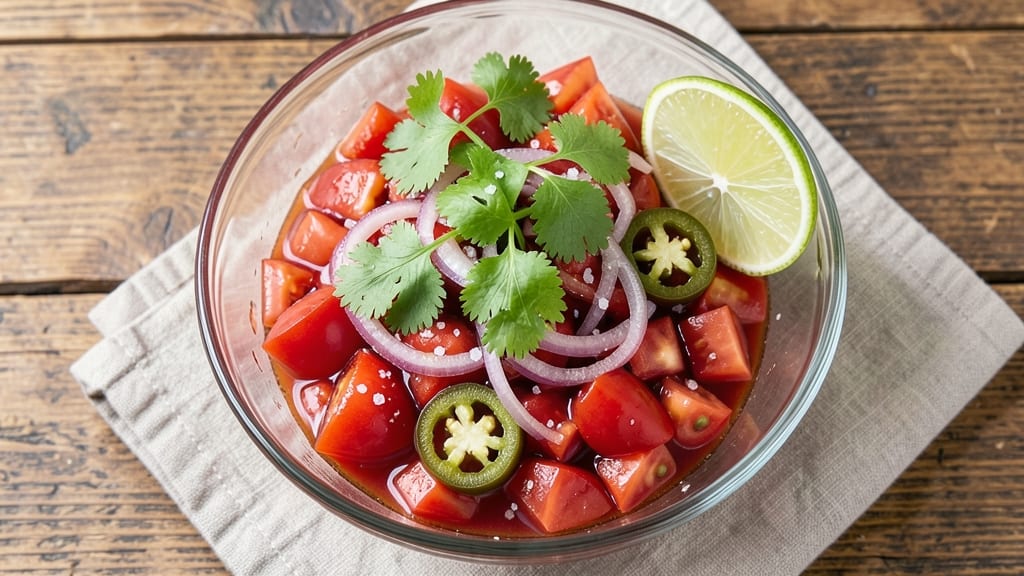
This no-cook freezer salsa recipe transforms fresh garden ingredients into a vibrant, shelf-stable condiment that lasts 6 months without sacrificing flavor. The secret lies in precise acidification—lime juice and vinegar work together to preserve freshness while brightening every bite.
I developed this after realizing most store-bought salsas lack the crisp texture and bold taste of homemade versions.
What makes this recipe stand out is its versatility—use it as a chip dip, taco topping, or bowl garnish without worrying about spoilage. The ingredients require no cooking, just chopping and blending, making it perfect for meal prep.
A touch of cilantro and jalapeño adds freshness, while onions and tomatoes provide the classic salsa base that holds up beautifully in the freezer.
By the time you're done, you'll have a batch of restaurant-quality salsa that stays fresh for months. The texture remains crisp when thawed, and the flavors develop even more depth over time. This is the kind of condiment that transforms ordinary meals into something special—no cooking required.
Whether you're stocking your pantry for busy weeks or preparing for holiday gatherings, this salsa delivers bold, vibrant flavor that stays consistent long after the harvest season ends. Let’s get started on your freezer-friendly staple.
Ingredients for no cook freezer salsa
Fresh garden ingredients meet freezer-friendly science—no cooking required.
| Ingredient | Amount | Notes |
|---|---|---|
| Ripe Roma Tomatoes 🍅 | 4 whole | Seeded and finely diced |
| Red Onion 🧅 | 1 whole | Thinly sliced, soaking in cold water |
| Fresh Cilantro 🌿 | ½ cup | Stems removed, loosely packed |
| Jalapeño Peppers 🌶️ | 2 whole | Seeds removed, finely chopped |
| Fresh Lime Juice 🍋 | ½ cup | Strained, about 4-5 limes |
| White Vinegar 💧 | ¼ cup | Distilled for acidification |
| Granulated Sugar 🍚 | 2 tbsp | Balances acidity, optional |
| Diamond Crystal Kosher Salt 🧂 | 1 tsp | Adjust to taste |
| Garlic Cloves 🧄 | 4 cloves | Minced or finely grated |
| Extra-Virgin Olive Oil 🫒 | ¼ cup | For texture and richness |
The tomatoes are the foundation, so pick perfectly ripe Roma—they’re meatier and hold up better than slicing varieties. Whole Foods or local farmers markets often have the best quality, but grocery store Roma work too if they’re firm and vibrant. Avoid bruised spots, and always seed them for the best texture. For the onion, red or yellow both work, but red adds a subtle sweetness that shines in freezer storage. Soak the slices in cold water for 10 minutes before draining—this removes some sharpness and keeps the color bright. If you’re short on time, pre-chopped frozen salsa veggies from Trader Joe’s are a lifesaver, though fresh is always better.
No fresh cilantro? Dried works at half the amount, but the flavor won’t be the same. Jalapeños can be swapped for serrano peppers if you like it spicier, or skip them entirely for a milder version. The lime juice and vinegar combo is non-negotiable for shelf stability—together, they create the perfect acid balance. If you’re sensitive to acidity, reduce the vinegar by half and add an extra tablespoon of sugar. For the garlic, fresh is a must—powdered just won’t cut it here. And that olive oil? Don’t skimp. A high-quality extra-virgin adds richness that cheap oil can’t match.
This salsa keeps for 6 months in the freezer without losing texture or flavor, but it’s best used within 3 months for peak freshness. Portion into airtight freezer-safe containers or silicone molds—they’re perfect for single servings. When ready to use, thaw in the fridge overnight or microwave for 30 seconds. The texture stays crisp, but if it softens slightly, just give it a stir. For extra vibrancy, add a fresh squeeze of lime before serving. And if you make a big batch, label everything—trust me, you’ll thank yourself later.
Why You'll Love This Recipe
- No Chopping Needed: I’ll be real—this salsa takes zero knife work. Just toss those Roma tomatoes, onion, and jalapeños straight into the freezer bags (peeled, halved, and pitted, of course). The lime juice and cilantro come together in minutes while the veggies freeze—no messy prep, no cutting board cleanup.
- Bright & Fresh Always: That lime juice? It’s the MVP. It cuts through the sweetness of the tomatoes and makes the cilantro sing, even after months in the freezer. Honestly, it tastes like summer every time I pull out a jar—no sad, watery store-bought salsa here.
- Game for Any Meal: This isn’t just for tacos. I’ve used it as a topping for grilled fish, scrambled eggs, or even as a dip for tortilla chips when I’m craving something quick. Freezer-friendly means it’s always on hand, whether I’m prepping for game night or a lazy Sunday brunch.
- Zero Waste, Maximum Savings: Between us, this recipe turns overripe tomatoes and wilting cilantro into gold. I’ve saved so much money by using what I have instead of buying pre-made salsa, and the freezer bags last for months. Plus, no spoilage—just pure, flavor-packed leftovers.
Step-by-step instructions for no-cook freezer salsa
Here's how to assemble this vibrant salsa that stays fresh for months in the freezer.
Prepare the Base Ingredients
Begin by seeding and finely dicing the 4 whole ripe Roma tomatoes. I use a sharp chef's knife for this task—cutting them into small, even pieces ensures they distribute evenly throughout the salsa. Place them in a large mixing bowl as you work.
Next, thinly slice the 1 whole red onion and place it in a separate bowl. Cover the onion slices with cold water and let them soak for 5 minutes to mellow their sharpness. Drain well before adding to the bowl with tomatoes. This simple step prevents the salsa from becoming too harsh when frozen.
Add Aromatics and Acid Components
Remove the stems from the 0.5 cup fresh cilantro and roughly chop the leaves. Add them to the tomato mixture along with the 2 whole jalapeño peppers, which should be seeded and finely chopped for a milder heat. Finely grate or mince the 4 cloves garlic and add those as well.
Measure out the 0.5 cup fresh lime juice and 0.25 cup white vinegar into a small measuring cup. Pour both liquids into the bowl and give everything a gentle stir. The acidity from the lime and vinegar is crucial—it preserves the salsa's freshness and brightens the flavors during the freezing process.
Sweeten and Season
Add the 2 tablespoons granulated sugar and 1 teaspoon Diamond Crystal kosher salt to the bowl. The sugar balances the acidity while enhancing the natural sweetness of the tomatoes. Stir well to distribute the salt and sugar evenly throughout the mixture.
Taste the salsa at this stage. You'll notice it's still quite raw and unrefined, but that's expected. The flavors will meld beautifully once it's properly blended and frozen. This is also the perfect time to adjust the salt or sugar if needed—just remember that freezing can intensify flavors slightly.
Blend and Finish
Pour the 0.25 cup extra-virgin olive oil into the bowl and stir vigorously for 1 minute until the oil emulsifies with the other ingredients. This step creates a silky texture that prevents the salsa from becoming icy when frozen. For a smoother consistency, transfer the mixture to a food processor and pulse until just combined—you want to maintain some texture, not a completely smooth sauce.
Taste again and make any final adjustments to seasoning. The salsa should be bright, tangy, and well-balanced with a pleasant heat from the jalapeños. Once satisfied, transfer the salsa to airtight freezer-safe containers, leaving about ½-inch headspace at the top to allow for expansion.
Freeze for Long-Term Storage
Label the containers with the date and contents, then place them in the freezer. For best results, freeze the salsa for at least 24 hours before using. This allows the flavors to fully meld and the texture to stabilize. When ready to use, thaw the salsa in the refrigerator overnight or use it directly from the freezer—just add it to your dish while still partially frozen to maintain texture.
The salsa will keep its vibrant flavor and quality in the freezer for up to 6 months. When you're ready to enjoy it, give it a good stir to redistribute any separated ingredients. This no-cook method preserves the fresh, garden-fresh taste of summer all year round.
Pro Tips For Making No Cook Freezer Salsa
- BLANCH TOMATOES FIRST: Drop Roma tomatoes into boiling water for 30 seconds, then ice bath them—this stops enzymes that turn your salsa mushy in the freezer. I learned this the hard way after pulling out a freezer-burned sludge; now my texture stays perfect for months.
- SALT THE ONION: Toss diced red onion with ½ teaspoon salt before mixing—it softens the bite and draws out moisture, so your salsa doesn’t freeze into a watery mess. (Yes, even if you’re impatient like me.)
- SKIP WHOLE JALAPEÑOS: Remove seeds and membranes and chop the peppers finely—this prevents hot pockets in every spoonful. I used to leave them whole, and one bite would ruin the whole batch.
- PACK WHILE WARM: Fill containers while the salsa is still at room temp (not hot, just not cold)—it leaves fewer air pockets and freezes more compactly. (Your future self will thank you when thawing.)
Perfect pairings for this no cook freezer salsa
Crispy Chip Pairing
This salsa is a game-changer for tortilla chips—especially Fritos Scoops or Tostitos Scoops, which have the perfect bowl shape for dipping. I like to serve it with a mix of blue corn and white corn chips for contrast.
For extra fun, sprinkle crushed tortilla chips on top right before serving to add crunch and visual appeal. 🌶️
Taco Topping Essentials
Use this salsa as a fresh topping for tacos, burritos, or quesadillas—it brightens up any filling. I recommend corn tortillas for tacos and flour tortillas for burritos to hold up better with the moist salsa.
For extra flavor, toast the tortillas lightly before assembling. Add a dollop of sour cream or Mexican crema alongside the salsa for a creamy contrast.
Breakfast Burrito Boost
Transform your breakfast burritos with this salsa as a topping or filling. Mix it with scrambled eggs, black beans, and cheese for a Southwestern-inspired breakfast.
I also love adding it to breakfast tacos with crispy chorizo or sausage. The acidity cuts through the richness of breakfast meats beautifully, balancing the flavors perfectly.
Grilled Meats & Kebabs
This salsa pairs wonderfully with grilled chicken, shrimp, or beef kebabs. Serve it as a dipping sauce or drizzle it over grilled meats right before serving. For extra flavor, marinate the meats in a mix of lime juice, olive oil, and garlic for 30 minutes before grilling.
The salsa’s brightness complements the smoky char of grilled foods beautifully.
Dip for Veggies & Dips
Use this salsa as a dipping sauce for roasted veggies like zucchini, bell peppers, or sweet potato fries. It also works as a dip for empanadas or quesadillas.
For a creative twist, mix it with Greek yogurt to make a spicy ranch dip—just stir in 1 cup plain Greek yogurt and a pinch of salt. This adds a creamy element that balances the salsa’s acidity.
Beverage Pairings
Pair this vibrant salsa with iced margaritas or Mexican lagers like Modelo Especial or Pacifico. The citrus notes in the salsa complement the lime in margaritas, while the beer’s crispness cuts through the richness.
For non-alcoholic options, try sparkling limeade or Mexican Coke—the carbonation refreshes your palate with every bite. 🍹
Nutrition facts
Frequently asked questions
Can I use canned tomatoes instead of fresh for this freezer-friendly salsa?
Fresh tomatoes work best for vibrant texture, but you can use 1 (14.5 oz) can fire-roasted diced tomatoes drained well if needed. Skip the soaking step for onions—just rinse them thoroughly. The flavor will be slightly less bright, but the acidification from lime and vinegar still preserves it beautifully for 6 months. For extra freshness, add 1 tablespoon tomato paste to mimic fresh tomato body.
How do I adjust the spice level if jalapeños are too mild?
Swap jalapeños for serrano peppers (remove seeds for medium heat) or add ½ teaspoon cayenne powder per batch. For a smoky kick, stir in ½ teaspoon chipotle powder with the salt. Always taste before freezing—spice intensifies slightly when thawed. If you love heat, keep the seeds in serranos and add an extra pepper.
Will this salsa separate when thawed? How do I fix it?
Some separation is normal due to freezing. Stir vigorously to recombine, then let sit for 5 minutes before serving. For a smoother texture, blend briefly after thawing. The olive oil helps prevent excessive separation, but the acidity keeps ingredients suspended. If it's still grainy, add 1 tablespoon water or lime juice and stir.
Can I make this salsa without a food processor?
Simply chop all ingredients by hand into fine dice (about ¼-inch pieces) and mix thoroughly in a bowl. The texture will be chunkier, but still delicious. For extra blending power, use a potato masher to crush tomatoes slightly. The acidification works the same way—no cooking required!
How do I use this salsa in cooked dishes without compromising texture?
Add thawed salsa to dishes in the last 5-10 minutes of cooking to preserve its freshness. It works perfectly in taco filling, pasta sauces, or stir-fries. For baked dishes like enchiladas, spread it on top during the last 10 minutes of baking to keep it vibrant. Avoid boiling—heat breaks down the acidified texture.