
Breakfast & Brunch
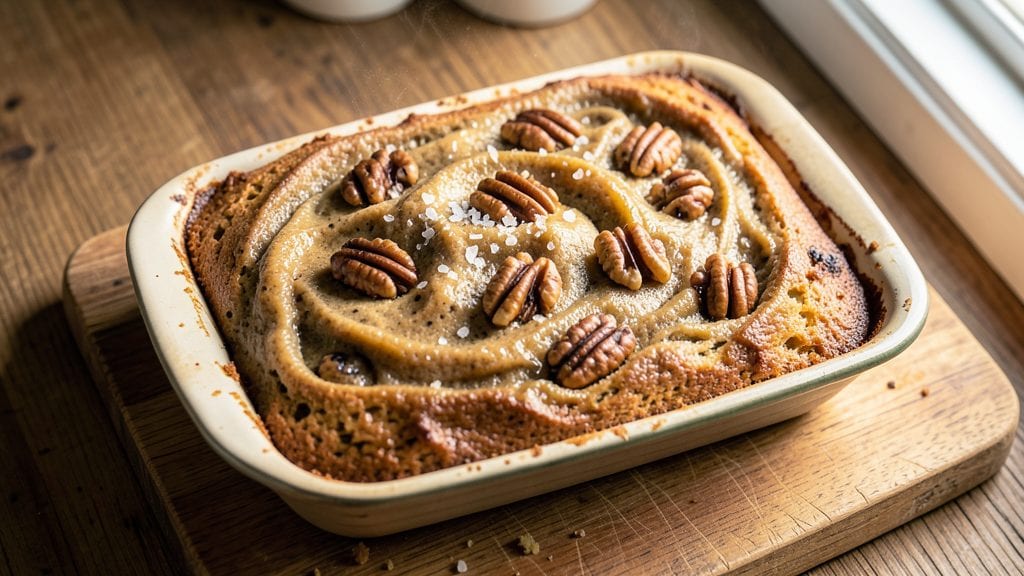
This moist banana bread recipe delivers the fudgy-center, no-dry-crumbs loaf you’ve been searching for—no shortcuts, just precise technique and quality ingredients. Standing on a step stool in my grandmother’s kitchen in Sicily, I learned how proper mixing and ripe bananas transform simple ingredients into something extraordinary.
The secret lies in the right balance of oil and butter, plus a few professional tricks that keep every slice tender.
What sets this recipe apart is the foolproof method that ensures moisture from start to finish. We’ll use overripe bananas (the spottier, the better), a touch of sour cream for richness, and a precise baking time that guarantees a golden crust without a dry interior.
No one will guess this is your first try—it’s that reliable. The result? A loaf so moist, it stays fresh for days without turning gummy.
By the time you pull it from the oven, you’ll have a fudgy-centered loaf with a crackly top and edges that just begin to turn golden.
The aroma alone will have everyone gathering in the kitchen, and the first bite will confirm what you already know: this is banana bread done right. No dry crumbs, no dense texture—just pure, velvety goodness in every slice.
This recipe works perfectly as a breakfast treat, after-school snack, or even a dessert when topped with a dusting of powdered sugar. The versatility makes it ideal for meal prep too—wrap individual slices in parchment and freeze for quick grab-and-go breakfasts. Let’s get baking!
Ingredients for moist banana bread
The secret to this fudgy banana bread lies in ripe bananas and the perfect oil-butter balance.
| Ingredient | Amount | Notes |
|---|---|---|
| Ripe Bananas 🍌 | 3 medium | Spotted and very soft |
| All-Purpose Flour 🌾 | 2 cups | Sifted for light texture |
| Granulated Sugar 🍚 | 1 cup | Light brown preferred |
| Packed Brown Sugar 🍚 | ¾ cup | Dark brown for molasses |
| Unsalted Butter 🧈 | ¾ cup | Room temperature |
| Vegetable Oil 🫒 | ½ cup | Light, not heavy |
| Large Eggs 🥚 | 2 whole | Room temperature |
| Pure Vanilla Extract 🌿 | 2 tsp | High-quality preferred |
| Sour Cream 🥛 | ½ cup | Full-fat for richness |
| Baking Soda 🧂 | 1 tsp | Freshly opened |
| Ground Cinnamon 🌶️ | 2 tsp | Freshly ground |
| Salt 🧂 | ½ tsp | Fine sea salt |
| Walnuts 🥜 | ½ cup | Chopped, optional |
| Powdered Sugar 🍚 | 2 tbsp | For dusting top |
Ripe bananas are non-negotiable here—look for black-spotted, squishy ones at the grocery store’s produce section. Whole Foods or local markets usually have the best selection, but any store’s produce manager can point you to the ripest bunch. The walnuts? Costco’s bulk section is the cheapest, but any chopped variety works. For the butter, Plugrá or Land O’Lakes are reliable, but unsalted is key—no shortcuts here. The sour cream adds that signature richness, so full-fat is a must—no low-fat substitutions.
No ripe bananas? Add 1 tbsp lemon juice to 2 unripe bananas to speed up ripening overnight. Swap walnuts for pecans or skip them entirely—this bread shines without them. Coconut oil can replace half the butter if you’re dairy-free, but the texture won’t be identical. For the vanilla, imitation won’t cut it—Nestlé or McCormick Pure are solid choices. The baking soda must be fresh; if it’s past its prime, the bread will taste flat. And yes, you can use maple syrup instead of brown sugar if you’re out, but the flavor will be subtly different.
This loaf keeps beautifully—3 days at room temperature wrapped in foil, 5 days in the fridge, or 3 months frozen. For freezing, slice first, wrap individually in parchment, then store in a ziplock. The powdered sugar topping? Only add it after cooling, or it’ll melt into the bread. Reheat slices in the toaster for that fresh-baked crunch. Leftovers? Toss them in a blender with milk for a quick smoothie—trust me.
Why You'll Love This Recipe
- Here’s what sold me: I can use up overripe bananas instead of tossing them. Plus, a loaf lasts me days—sometimes weeks if I’m sneaky about it. And with just five main ingredients, it’s one of my most budget-friendly bakes. Win-win.
- No Mash Struggle: I’ll admit it—I used to hate mashing bananas. But with this recipe, you just toss in those ripe spots (the spottier, the better) and let the mixer do the work. The brown sugar and butter blend right in, so you’re not left with a lumpy mess.
- Caramel-Kissed Magic: That perfect balance of brown sugar and granulated sugar? It’s what turns this into something special. The butter keeps it rich, but the bananas add natural sweetness—no artificial flavors here. Honestly, the first slice out of the pan is my favorite part.
- Breakfast or Snack: Between us, I’ve eaten this cold for breakfast, toasted with peanut butter, or warmed with a drizzle of honey. It’s the kind of bread that works for brunch, a quick snack, or even dessert when you’re craving something sweet but not cake-like.
Step-by-step instructions for moist banana bread
Here's how to bake a loaf so tender it practically melts in your mouth.
Prep Ingredients for Maximum Moisture
Start by mashing the 3 medium ripe bananas with a fork until completely smooth—no lumps, no chunks. The riper the bananas, the sweeter and more flavorful your bread will be. In a separate bowl, whisk together the 2 cups all-purpose flour, 1 cup granulated sugar, 0.75 cup packed brown sugar, 1 tsp baking soda, 2 tsp ground cinnamon, and 0.5 tsp salt. Sift the dry ingredients first to prevent lumps in the batter.
Next, melt the 0.75 cup unsalted butter and 0.5 cup vegetable oil together in a saucepan over low heat until fully combined. Let it cool slightly before mixing with other wet ingredients. The butter should be warm but not hot—you want it to blend smoothly without cooking the eggs later. This combination of butter and oil creates that signature moist, almost cake-like texture we're after.
Combine Wet Ingredients for Perfect Texture
In a large mixing bowl, add the 2 whole large eggs, 0.5 cup sour cream, and 2 tsp pure vanilla extract. Whisk vigorously for about 2 minutes until the mixture is pale and slightly thickened. The eggs and sour cream create the bread's signature tender crumb, while the vanilla adds depth of flavor. If you notice the mixture separating, just keep whisking—it'll come together.
Gradually pour in the melted butter-oil mixture while continuing to whisk. Then, slowly add the dry ingredient mixture in three parts, mixing just until combined after each addition. Overmixing develops gluten and makes the bread tough, so stop as soon as you see no more flour streaks. Fold in the 0.5 cup chopped walnuts if using—don't overmix these either, or they'll turn to mush.
Prepare the Loaf Pan for Even Baking
Preheat your oven to 350°F. Lightly grease a 9x5-inch loaf pan with vegetable oil or line it with parchment paper for easy removal. The pan should be room temperature—cold pans can cause uneven baking. Pour the batter into the prepared pan and smooth the top with a spatula. The batter will be thick but pourable—it should fill about ¾ of the pan for that perfect rise and fudgy center.
Sprinkle the top evenly with the 2 tbsp powdered sugar for a sweet, snowy finish. Here's the secret to that signature moist texture: After pouring the batter, immediately tap the pan 3-4 times firmly on your countertop. This removes air bubbles and helps the bread rise evenly. Pop it in the oven and bake for 50-60 minutes, or until a toothpick inserted in the center comes out clean with just a few moist crumbs.
Test for Doneness and Rest Properly
When the top is golden brown and the toothpick test passes, remove the bread from the oven and let it cool in the pan for 10 minutes. This resting period allows the heat to distribute evenly and prevents the bread from falling apart when you try to remove it. After cooling, transfer it to a wire rack to cool completely—this prevents soggy bottoms.
The bread is best served at room temperature, but if you can't wait, slice it while still slightly warm for that perfect balance of tender crumb and moist center. Each slice should be dense with a slight sheen—no dry crumbs here. Store leftovers wrapped tightly in plastic at room temperature for up to 3 days, or freeze for longer storage. This recipe delivers that perfect moist, fudgy banana bread you've been craving, with no dry edges or crumbly texture.
Pro Tips For Making Moist Banana Bread
- Mash Bananas Thoroughly: I learned this the hard way—lumpy banana purée means uneven texture. Use a fork first to break up the spots, then press through a fine-mesh sieve if you’re impatient. No sieve? A potato masher works, but you’ll need to strain out the fibrous bits afterward. The smoother the mix, the more evenly the moisture distributes.
- Use Warm Butter: Cold butter creates pockets of dryness in banana bread. Microwave your unsalted butter for 15-20 seconds until it’s soft but not melted—just enough to blend smoothly with the sugars. This ensures the batter emulsifies properly, giving you that tender crumb instead of a cakey one.
- Don’t Overmix the Batter: The moment you add flour, stop mixing after just 10-12 strokes. Overworking the batter develops gluten, which turns your moist loaf into a dense brick. Fold in dry ingredients until barely combined—lumps are fine, but a smooth, slightly uneven batter guarantees a lighter texture.
- Check Doneness with a Toothpick: The oven’s timer is a guess. Insert a toothpick into the center—it should come out with moist crumbs, not wet batter or dry flour. If it’s sticky, tent with foil and bake another 5-10 minutes. Overbaking dries out the bread faster than you can slice it.
Serving suggestions for moist banana bread
Classic Pairings
Serve warm slices with a dollop of vanilla bean ice cream—the contrast between the warm, spiced bread and cold, creamy ice cream is pure magic. I always keep a small tub of Ben & Jerry's Phish Food (with those colorful marshmallows) on hand for this.
For a lighter option, a scoop of homemade lemon sorbet cuts through the richness beautifully. 🍦
Pair your banana bread with a cup of strong black coffee or chamomile tea to balance the sweetness. My Nonna always served it with a cappuccino—the bitterness of the espresso enhances the bread's caramel notes.
For a morning treat, try it with a glass of cold milk or almond milk for a cozy, comforting breakfast.
Breakfast Boost
Turn your banana bread into a hearty breakfast by topping slices with almond butter and a drizzle of honey. Add a sprinkle of granola for crunch and you’ve got a satisfying meal.
I often make this combo when I’m in a rush—it’s like a deconstructed banana bread French toast without the fuss. 🍯
For a protein-packed version, spread Greek yogurt on a slice and top with sliced strawberries and a sprinkle of chia seeds. This keeps you full for hours and adds a fresh, fruity contrast to the warm bread. It’s my go-to when I need a quick but nutritious breakfast.
Dessert Presentation
Dust the cooled loaf with powdered sugar and slice it diagonally for an elegant presentation. Arrange slices on a wooden board with a few fresh berries (raspberries or blackberries work best) for a rustic yet refined dessert. A drizzle of dark chocolate sauce ties everything together beautifully. 🍫
For a festive touch, serve individual slices with a mini scoop of ice cream on the side. Use colorful paper cones or mini cake stands to elevate the presentation. This works perfectly for brunch gatherings or holiday dessert tables—it’s simple but always impresses.
Make-Ahead Serving
Wrap individual slices in parchment paper and store them in an airtight container for up to 5 days at room temperature. Reheat in the toaster or microwave for 10-15 seconds to restore that fresh-baked warmth. I love prepping these ahead for busy mornings—just grab and go! ⏰
For a grab-and-go option, pack slices in a bento box with a small container of nut butter and a fruit cup. It’s the perfect lunchbox treat for kids or a quick snack for adults. The bread stays moist even after reheating, so it’s ideal for meal prep.
Nutrition facts
Frequently asked questions
Why does your recipe use both butter and oil?
The combination creates the perfect texture—butter adds rich flavor while oil keeps the bread ultra-moist. This classic Italian-American technique prevents dryness while maintaining that tender crumb. The oil also helps create that signature fudgy center.
Can I substitute sour cream with something else?
Yes! Use Greek yogurt (full-fat) or buttermilk in equal amounts. The tanginess is key for moisture and flavor. Avoid low-fat options—they won't yield the same rich texture. For a dairy-free option, try coconut yogurt or silken tofu blended with lemon juice.
How do I know when my banana bread is done?
Look for a golden-brown top and insert a toothpick into the center—it should come out with just a few moist crumbs, not wet batter. Overbaking dries it out, so pull it when the edges look set but the center still has slight give. The bread continues cooking as it cools.
Why did my banana bread turn out dry?
Most likely, your bananas weren't ripe enough or you overbaked it. Always use spotted, squishy bananas and check for doneness at 50 minutes. Another common mistake is skipping the sour cream—it's what keeps the crumb tender. For extra moisture, brush warm slices with simple syrup (equal parts sugar and water).
Can I make this in a different pan size?
For a 9x5-inch pan, fill it ¾ full. In an 8x4-inch pan, reduce batter by 15% and bake 10-15 minutes less. For a round cake pan, use the same batter quantity and bake at 325°F for 40-45 minutes. Always adjust baking time based on your oven's hot spots.