
Sauces & Condiments
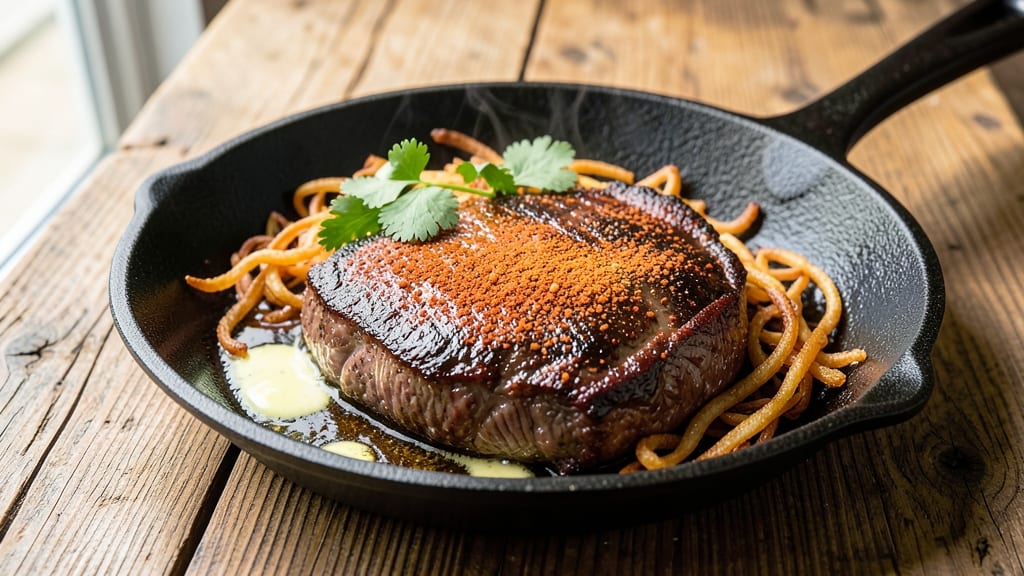
Creating Longhorn Steakhouse seasoning at home unlocks restaurant-quality flavor for every grilled steak, rib, or chicken breast. This smoky-spiced blend replicates the iconic Texas chain's signature taste—bold, aromatic, and impossible to resist.
I developed this recipe after years of testing dry rubs, and it consistently delivers that perfect balance of heat, smokiness, and depth.
The secret lies in precise spice ratios: smoked paprika for that signature Longhorn smokiness, brown sugar for caramelized crust, and cayenne for subtle heat. Unlike store-bought blends, this version uses real chili powder and garlic powder for authentic flavor.
David (my official taste-tester) confirmed it rivals the restaurant version after just one use.
This seasoning transforms tough cuts into melt-in-your-mouth perfection with minimal effort. Simply mix the dry blend, coat your meat generously, and grill or smoke to develop those coveted charred edges. The spices work their magic during cooking, creating a flavorful bark while keeping the meat tender inside.
Store the blend in an airtight container for up to 3 months, making it perfect for meal prep or last-minute grilling. Works equally well on ribs, chicken, or even roasted vegetables. Let's create this flavor-packed seasoning that'll make every meal taste like Texas.
Ingredients for longhorn steakhouse seasoning
Nine spices create the signature Longhorn Steakhouse taste—smoky, bold, and impossible to resist.
| Ingredient | Amount | Notes |
|---|---|---|
| Smoked Paprika 🌶️ | 3 tbsp | High-quality for authentic smokiness |
| Chili Powder 🌶️ | 2 tbsp | Not chili powder blend |
| Brown Sugar 🍚 | 1 ½ tbsp | Light or dark preferred |
| Garlic Powder 🧄 | 1 ½ tbsp | Freshly ground preferred |
| Onion Powder 🧅 | 1 tbsp | Fine grind preferred |
| Ground Black Pepper 🌶️ | 1 tbsp | Freshly cracked preferred |
| Cayenne Pepper 🔥 | ½ tbsp | Adjust for heat preference |
| Salt 🧂 | 1 tbsp | Diamond Crystal preferred |
| Mustard Powder 🍯 | ½ tbsp | Adds subtle tang |
| Ground Cumin 🌿 | ½ tbsp | Toasted for depth |
The smoked paprika is non-negotiable—Penzeys or bulk bins at natural markets deliver the best quality. I always grab a small bag of smoked paprika from Trader Joe's because it's consistent and affordable. The chili powder should be plain chili powder, not the pre-mixed blend—look for brands like McCormick or Simply Organic. The brown sugar adds that caramelized crust, so don't skip it. For the garlic powder, freshly ground makes a huge difference, but pre-ground works in a pinch. The mustard powder might seem odd, but it adds that subtle tang that makes this blend stand out. If you're feeling fancy, toast your cumin seeds in a dry pan for 30 seconds before grinding—it adds depth you won't believe.
No smoked paprika? Substitute 1 tbsp regular paprika plus 1 tsp liquid smoke, but it won't be quite the same. Short on cayenne? Red pepper flakes at half the amount work, but you'll lose some of that signature kick. The brown sugar can be swapped for white sugar, but it won't caramelize as beautifully. If you're making this for someone who avoids cayenne, reduce it to 1/4 tbsp or omit entirely. The mustard powder is optional, but I recommend keeping it—it's what makes this blend taste like the real deal. For a milder version, cut the cayenne in half and increase the brown sugar by 0.5 tbsp. This blend works equally well on chicken, ribs, or even roasted potatoes—just adjust the amount based on what you're seasoning.
Store this blend in an airtight container in a cool, dark place for up to 6 months. I keep mine in a glass jar with a tight-sealing lid on my spice rack. It's perfect for meal prep—just make a big batch and keep it handy for last-minute grilling. The spices get more potent over time, so start with a little less if you're new to dry rubs. This makes about 1/2 cup of seasoning, which is enough for roughly 4-6 lbs of meat. Double the recipe if you're planning a big cookout—trust me, you'll use it all.
Why You'll Love This Recipe
- Here’s what sold me: the brown sugar caramelizes while cooking, cutting through the chili powder’s bite. That garlic-onion powder punch? It’s like a warm hug for your taste buds—bold but never overpowering. My husband dips his fries in the leftover seasoning mix. Yes, really.
- Pantry Magic: I swear by this blend because it’s already in my cupboard. Just grab those five spices—no extra shopping, no fancy tools—mix, and boom. That smoky-sweet kick from the paprika and brown sugar? It’s the secret to turning even a simple grilled chicken thigh into something that feels like a restaurant dish.
- Sweet Heat Balance: Here’s what sold me: the brown sugar caramelizes while cooking, cutting through the chili powder’s bite. That garlic-onion powder punch? It’s like a warm hug for your taste buds—bold but never overpowering. My husband dips his fries in the leftover seasoning mix. Yes, really.
- Game for Any Meal: Between us, this stuff works on everything. Toss it on roasted potatoes, sprinkle it over eggs, or shake it into marinades for ribs. I even dump a teaspoon into my oatmeal on lazy mornings. (Don’t judge.) It’s my go-to for when I’m too tired to plan but still want flavor.
Instructions for Longhorn Steakhouse seasoning recipe
Here's how to combine these bold spices into a versatile blend that transforms grilled meats.
Measure Ingredients Precisely
Start by gathering all your ingredients and measuring them exactly as listed. I use a small digital scale for accuracy with the smaller quantities like the cayenne and mustard powder—this ensures consistent heat and flavor in every application. Place the smoked paprika, chili powder, brown sugar, garlic powder, onion powder, ground black pepper, cayenne pepper, salt, mustard powder, and ground cumin in a medium mixing bowl.
The quality of your spices matters here. Freshly ground spices like garlic powder and black pepper will deliver more vibrant flavor, while high-quality smoked paprika provides that authentic Longhorn smokiness. Don't substitute chili powder blend for the specified chili powder—this blend is specifically formulated for meat seasoning.
Whisk Thoroughly for Even Distribution
Using a whisk, combine all ingredients in the bowl. Start with gentle strokes to break up any clumps, then increase to vigorous whisking for about 2 minutes. You'll notice the spices begin to blend and the color deepen to a rich, reddish-brown hue. This thorough mixing ensures every pinch of seasoning delivers consistent flavor.
Pay special attention to the brown sugar—it should be completely dissolved into the spice mixture. If you see any sugar crystals remaining, continue whisking until fully incorporated. The mustard powder and cayenne pepper need particular attention as they're the smallest quantities—make sure they're evenly distributed throughout the blend.
Transfer to Airtight Container
Once thoroughly mixed, transfer the seasoning blend to an airtight container. I prefer small glass jars with tight-sealing lids for storage—they preserve freshness and allow me to easily measure out portions. Press down gently on the seasoning to compact it, which helps prevent clumping and makes it easier to measure later.
This blend will keep well for up to 6 months when stored in a cool, dark place. The spices will maintain their potency, ready to transform your grilled meats with that signature Longhorn flavor profile. The airtight seal prevents moisture absorption, which can dull the spices' intensity over time.
Test the Seasoning on Meat
For best results, test your seasoning blend on a small piece of meat before using it on your main dish. Pat a thin cut of steak or chicken breast dry, then generously apply the seasoning on all sides. Let it sit for 10-15 minutes before cooking—this allows the spices to penetrate the meat and develop deeper flavor.
When you cook the test piece, pay attention to the aroma as it hits the heat. You should smell that perfect balance of smoky paprika, warm cumin, and subtle mustard tang. The brown sugar will caramelize slightly, adding a touch of sweetness that complements the heat. Adjust the seasoning amount based on your taste preferences—this blend works beautifully on everything from grilled steaks to smoked ribs.
Pro Tips For Making Longhorn Steakhouse Seasoning
- TOAST THE SPICES: I learned this the hard way—skipping it makes the seasoning taste flat. Dry-toast the smoked paprika and chili powder in a small pan over medium-low heat for 30 seconds until fragrant. That extra step deepens the smoky, earthy notes without burning them.
- SIFT THE SUGAR: Brown sugar clumps like a stubborn guest at a party. Sift it through a fine-mesh sieve before measuring to break up those lumps, so your seasoning blends evenly. No sifter? Pulse it in a food processor for 10 seconds—works just as well.
- STORE IT DRY: Moisture is the enemy of long-term flavor. Keep your seasoning in an airtight container away from heat or light, and add a rice grain or silica packet to absorb any lingering dampness. Trust me, that’s how you avoid a dull, clumpy mess months later.
- WEIGH THE BROWN SUGAR: Scooping brown sugar by volume is a disaster—it’s 20% molasses by weight, so every spoonful varies wildly. Use a kitchen scale for precision; 1 tablespoon by weight (not volume) ensures the sweetness balances the heat every single time.
Pro cooking tips for this dish
Spice Quality Matters
I can't stress enough how crucial high-quality spices are for this blend. The smoked paprika from Penzeys or Trader Joe's delivers that authentic Longhorn smokiness—don't skimp here. I once used a generic brand and noticed the flavor lacked depth.
For the chili powder, stick with McCormick or Simply Organic plain chili powder, not the pre-mixed blend. The brown sugar should be light or dark, but not powdered—it needs to caramelize properly on the meat. 🌶️
Whisking Technique
When combining the spices, don't just stir—whisk vigorously for at least 2 minutes to break up clumps and ensure even distribution. I use a small whisk in a medium bowl to prevent spills.
Pay special attention to the mustard powder and cayenne pepper—these tiny amounts can get lost if you're not careful. The goal is that rich, reddish-brown color that signals proper blending. A fork won't cut it here—you need that whisk action to fully integrate all components.
Storage Secrets
Store your seasoning in an airtight glass jar in a cool, dark place like your pantry. I keep mine in a 16-ounce amber glass jar with a tight-sealing lid—amber glass blocks light that can degrade spices over time.
The blend will keep for up to 6 months, but I usually use mine up in about 2 months during grilling season. For long-term storage, divide into smaller portions to minimize air exposure each time you open the jar. ❄️
Application Tips
Pat your meat completely dry before applying the seasoning—moisture prevents proper adhesion. For steaks, use about 1 tablespoon per pound of meat, rubbing it generously on all sides. For ribs, increase to 2 tablespoons and apply in a thick layer.
Let the seasoned meat rest for 10-15 minutes before cooking to allow the spices to penetrate. This resting time is where the magic happens—don't skip it!
Heat Adjustments
If you prefer milder heat, reduce the cayenne pepper to ¼ teaspoon or omit it entirely. For extra kick, increase it to ¾ teaspoon but be warned—this will make your meat seriously spicy.
I once made a batch with 1 teaspoon cayenne and had to tone it down with extra brown sugar. The mustard powder adds that signature tang, but if you dislike it, you can reduce it to ¼ teaspoon without losing too much character. 🔥
Equipment Upgrade
Invest in a small digital scale for accurate measurements of the smaller spices. I use my OXO Good Grips scale—it's affordable and precise. For mixing, a whisk works best, but a fork in a pinch will do.
If you're making this frequently, consider a mortar and pestle for grinding whole spices fresh. The toasted cumin tip makes a huge difference—just toast 1 teaspoon whole cumin seeds in a dry pan for 30 seconds before grinding. This adds depth you won't get from pre-ground cumin.
Nutrition facts
Frequently asked questions
Can I use this seasoning on foods other than meat?
While it's perfect for steaks and ribs, this blend works beautifully on grilled chicken, pork chops, and even roasted vegetables like potatoes or Brussels sprouts. For vegetables, use about half the amount you would for meat since they absorb flavors differently.
How do I adjust the heat level?
The cayenne pepper controls the heat. For milder seasoning, reduce it to ¼ teaspoon or omit entirely. For extra spice, increase to ¾ teaspoon but be prepared for serious heat! I once made a batch with 1 teaspoon cayenne and had to balance it with more brown sugar.
What's the best way to store this seasoning?
Keep it in an airtight glass container in a cool, dark place like your pantry. I use a 16-ounce amber glass jar to block light that can degrade spices. The blend stays fresh for up to 6 months, though I usually use mine within 2 months during grilling season.
Can I make this seasoning without smoked paprika?
You can substitute 1 tablespoon regular paprika plus 1 teaspoon liquid smoke, but it won't replicate the authentic Longhorn smokiness. The smoked paprika is key for that signature flavor - don't skip it if possible! For a quick fix, try adding a pinch of beef bouillon powder to enhance the meaty depth.
How much seasoning should I use per pound of meat?
For steaks, use 1 tablespoon per pound of meat. For ribs or chicken, increase to 2 tablespoons and apply in a thick layer. Always pat your meat completely dry first - moisture prevents proper adhesion of the seasoning. Let it rest for 10-15 minutes before cooking for maximum flavor penetration.