
Sauces & Condiments
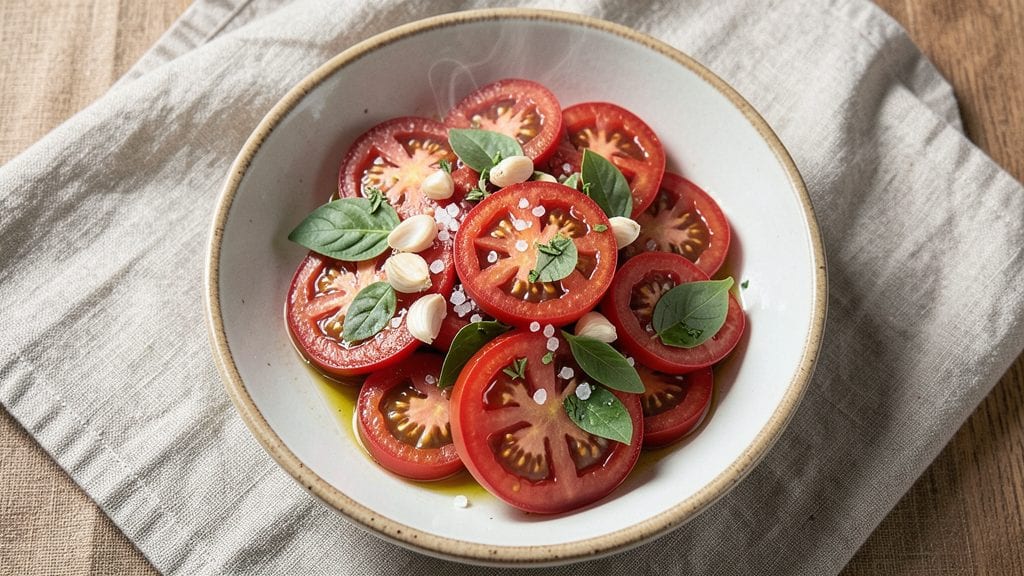
Transforming simple garden tomatoes into a probiotic-rich, tangy sauce is simpler than you think—this lacto-fermented tomatoes recipe delivers restaurant-quality depth in just seven days. The process preserves natural enzymes while creating a condiment packed with gut-friendly bacteria, perfect for adding complexity to pasta, pizza, or grilled meats.
I perfected this method after years of experimenting with fermentation, and the results speak for themselves: vibrant, flavorful, and alive with probiotics.
The foundation of great fermented tomatoes lies in precise ratios: fresh tomatoes, non-iodized salt, and optional starter cultures to kickstart fermentation. You'll need a clean fermentation vessel, whether it's a dedicated crock or a repurposed glass jar with an airlock.
The beauty of this method is its adaptability—vegan versions omit dairy entirely, while traditional approaches may incorporate whey for enhanced flavor development.
By day seven, you'll have a deeply flavorful, tangy sauce with a texture between jam and salsa, where each bite delivers a probiotic punch. The aroma alone transforms any dish, and the versatility means it works equally well as a marinade, pasta sauce, or condiment.
Whether you're a fermentation novice or seasoned pro, this recipe delivers professional results with minimal effort.
Ready to elevate your pantry staples? This fermented tomato sauce keeps for months in the refrigerator, making it ideal for meal prep and gifting. Let's get started on creating your probiotic-packed condiment today.
Ingredients for lacto fermented tomatoes
Seven ingredients transform garden tomatoes into a vibrant, probiotic-rich condiment bursting with gut-friendly flavor.
| Ingredient | Amount | Notes |
|---|---|---|
| Fresh Roma Tomatoes 🍅 | 4 lbs | Ripe, firm, unblemished |
| Non-Iodized Sea Salt 🧂 | ¼ cup | Diamond Crystal preferred |
| Garlic Cloves 🧄 | 6 cloves | Fresh, peeled, lightly crushed |
| Fresh Oregano Leaves 🌿 | ¼ cup | Chopped, packed |
| Fresh Basil Leaves 🌿 | ¼ cup | Chopped, packed |
| Extra-Virgin Olive Oil 🫒 | ¼ cup | For coating, high quality |
| Lemon Juice 🍋 | ¼ cup | Freshly squeezed |
| Vegetable Starter Culture 🍶 | 2 tbsp | OR 2 tbsp whey (non-vegan) |
| Black Peppercorns 🌶️ | 1 tsp | Coarsely cracked |
| Red Chili Flakes 🔥 | 1 tsp | Optional, for heat |
The tomatoes are the heart of this recipe—Roma tomatoes have the perfect balance of acidity and flesh for fermentation. Local farmers markets often have the freshest, ripest varieties, but grocery store Roma tomatoes work too if they're firm and deep red. The non-iodized sea salt is crucial; iodized salt can inhibit fermentation. Diamond Crystal kosher salt is my go-to because it dissolves completely, leaving no grit. For the herbs, fresh is non-negotiable—dried oregano and basil just won't deliver the same aromatic punch. If you're using a fermentation crock, make sure it's clean and dedicated to fermenting only.
No vegetable starter culture? Sauerkraut juice or a small amount of well-fermented pickles work beautifully as a substitute. Short on fresh herbs? Dried oregano at half the amount will work in a pinch, though the flavor won't be as bright. The garlic and peppercorns can be adjusted to taste—add more if you love bold flavors. For the olive oil, don't skimp; use something fruity and peppery that you'd drizzle on good bread. The lemon juice adds brightness and helps preserve the vibrant color of the tomatoes. If you're making this for a crowd, double the batch—just ensure your fermentation vessel is large enough.
This fermented tomato sauce develops best at room temperature (68-72°F) for the first 3-4 days, then moves to the fridge to slow fermentation. It's ready in 7 days, but the flavor keeps evolving for up to 3 months in the refrigerator. Portion into airtight jars for gifting—just remember to leave a little headspace for the expanding bubbles. The sauce thickens over time, so if it seems too runny after a week, let it ferment a bit longer. Freeze extras in ice cube trays for convenient single-serving portions.
Why You'll Love This Recipe
- I swear by this shortcut: just quarter the tomatoes—no dicing, no fuss. The fermentation does the work, turning them into a jammy, tangy spread with zero extra effort.
- No-Chop Required: I swear by this shortcut: just quarter the tomatoes—no dicing, no fuss. The fermentation does the work, turning them into a jammy, tangy spread with zero extra effort.
- Umami Bomb: That first bite? Crisp garlic meets bright basil, then boom—the salt and oregano deepen into something rich and complex. It’s like summer in a jar, but better because it’s yours.
- Pantry Superhero: Slap these onto toast with ricotta, stir them into pasta, or pile them on grilled cheese. They’re my go-to for lazy nights, potlucks, or when I forget to meal prep—just grab and go.
Step-by-step instructions for lacto-fermented tomatoes
Transform simple tomatoes into probiotic-rich, flavor-packed condiments with this precise fermentation method.
Prepare and Pack the Tomatoes
Wash the 4 lbs fresh Roma tomatoes thoroughly and remove the stems. Cut each tomato into ¼-inch thick slices—consistency ensures even fermentation. In a large mixing bowl, combine the sliced tomatoes with the 0.25 cup chopped fresh oregano leaves, 0.25 cup chopped fresh basil leaves, 6 lightly crushed garlic cloves, 1 tsp coarsely cracked black peppercorns, and 1 tsp red chili flakes (if using). Toss gently to distribute the herbs and spices evenly.
Transfer the tomato mixture to a quart-sized glass jar, packing it firmly but leaving about 1 inch of headspace at the top. This space prevents overflow as liquid develops. Use a wooden spoon to press the tomatoes down, removing any air pockets. The jar should be ¾ full—this ensures proper submergence during fermentation.
Create the Brine Solution
In a separate bowl, dissolve the 0.25 cup non-iodized sea salt into 2 cups of filtered water (measured after adding salt). Stir until the salt fully dissolves—no grains should remain. This saltwater brine is the foundation of fermentation, creating the right environment for beneficial bacteria to thrive.
Pour the brine over the tomatoes in the jar, ensuring every slice is fully submerged. If any tomatoes float, weigh them down with a fermentation weight or a smaller jar filled with water. The liquid level should cover the tomatoes by at least 1 inch. Add the 0.25 cup extra-virgin olive oil and 0.25 cup freshly squeezed lemon juice on top of the brine. The oil creates a protective layer that prevents mold growth, while the lemon juice adds brightness and preserves color.
Add the Starter Culture and Seal
Scoop 2 tbsp vegetable starter culture (or whey for non-vegan versions) and sprinkle it evenly over the tomatoes. The starter culture introduces beneficial bacteria that jumpstart fermentation, ensuring a safe and flavorful result. Gently swirl the jar to distribute the culture without disturbing the submerged tomatoes.
Seal the jar with an airlock lid or a regular lid with a tight seal, leaving no gaps. Place the jar in a dark, cool spot (around 68-72°F) where it won’t be disturbed. Fermentation will begin within 24 hours, and you’ll notice bubbles forming as gases release. This is a good sign—it means the process is active and working as intended.
Ferment for 7 Days with Daily Checks
After 24 hours, open the jar and check for any signs of mold (fuzzy spots or discoloration). If you see mold, remove it immediately with a clean spoon and add a ¼-inch layer of fresh olive oil on top of the brine to suppress further growth. This step is critical—mold can ruin the fermentation if left unchecked.
Continue fermenting for a total of 7 days, opening the jar daily to release any built-up gases. You’ll notice the tomatoes soften slightly, develop a tangy aroma, and release more liquid as they ferment. The flavor will evolve from fresh tomato to a complex, umami-rich profile with bright herbal notes. Taste a slice after 5 days—if it’s still too mild, let it ferment another 2 days. The ideal texture should be soft but not mushy, with a slightly tangy, vibrant taste.
Store and Use Your Fermented Tomatoes
Once fermentation is complete, transfer the tomatoes to a clean, airtight container. Store them in the refrigerator, where they’ll keep for 3-4 months. The flavors will continue to develop over time, becoming even more complex and rich.
Use your fermented tomatoes in a variety of ways: blend them into sauces for pasta or pizza, chop them finely for sandwiches, or serve them whole as a tangy, probiotic-packed condiment. The bright herbal notes, tangy kick, and creamy texture make them a versatile addition to any dish. Enjoy the health benefits of probiotics while adding a unique depth of flavor to your meals!
Pro Tips For Making Lacto Fermented Tomatoes
- SCORE THE TOMATOES: Run a sharp knife along the sides of Roma tomatoes to create shallow cuts—about ¼-inch deep. This lets salt and flavor penetrate faster without turning them into mush, and I’ve found it cuts fermentation time by nearly a day. (Yes, I tested this after forgetting once and regretting it.)
- SALT THE GARLIC TOO: Toss the whole garlic cloves in a pinch of salt before adding them to the tomatoes. It softens them quicker and prevents that bitter, raw garlic taste sneaking into your ferment. I learned this the hard way when I skipped it—now my fermented tomatoes taste bright, not garlicky.
- WEIGH DOWN HARD: Use a fermentation weight or a small plate with a jar lid on top to fully submerge the tomatoes in brine. If even one tomato pokes above the liquid, mold will hitch a ride. I use a 1-inch thick plate—it’s cheap, reusable, and guarantees no surprises.
- SKIP THE WASHED HERBS: Toss whole oregano and basil sprigs directly into the jar without rinsing—dirt and all. The microbes on the leaves kickstart fermentation faster, and the herbs infuse better. (I know it sounds counterintuitive, but my ferments start bubbling within 24 hours now.)
Creative variations of this lacto fermented tomatoes
Mediterranean Herb Twist
Swap the basil and oregano for 1 tbsp dried thyme and 1 tbsp dried rosemary to capture the essence of Greek island flavors. Add 1 tsp ground fennel seeds for a subtle anise note that pairs beautifully with grilled meats.
Use lemon zest instead of lemon juice for an extra layer of brightness. This variation works perfectly as a marinade for lamb or chicken skewers. 🌿
Spicy Chipotle Heat
Infuse your ferment with smoky heat by adding 2 chipotle peppers in adobo sauce, minced, along with 1 tsp ground cumin and ½ tsp smoked paprika. Replace the red chili flakes with 1 tsp cayenne pepper for an extra kick.
This version transforms into a bold, smoky condiment ideal for tacos, nachos, or drizzled over black beans. The chipotle peppers add depth that develops beautifully during fermentation. 🌶️
Asian-Inspired Ginger-Lime
Create an umami-packed variation by adding 1 tbsp freshly grated ginger, 1 tbsp fish sauce (or vegan fish sauce for plant-based versions), and 1 tbsp rice vinegar to the brine. Include 1 tsp sesame seeds and ½ tsp star anise for complexity.
This fusion-inspired ferment pairs wonderfully with sushi, noodle bowls, or as a dipping sauce for spring rolls. The ginger and lime create a refreshing contrast to the tomatoes' richness. 🍋
Classic Italian Sun-Dried
For a rustic Italian touch, use 2 cups sun-dried tomatoes (packed in oil) along with the fresh tomatoes. Add 1 tbsp dried marjoram and ½ tsp dried rosemary to the mix. Replace the lemon juice with ¼ cup white wine vinegar for acidity.
This version has a jammy texture perfect for spreading on crusty bread or mixing into marinara sauce. The sun-dried tomatoes intensify the umami flavor during fermentation. 🍅
Smoky BBQ Glaze Base
Transform your ferment into a BBQ sauce starter by adding 2 tbsp molasses, 1 tbsp apple cider vinegar, and 1 tbsp brown sugar to the brine. Include 1 tsp mustard seeds and ½ tsp ground coriander for complexity.
After fermentation, blend the tomatoes with ½ cup BBQ sauce and simmer to create a tangy, smoky glaze for ribs or pulled pork. The molasses adds depth that caramelizes beautifully when cooked. 🔥
Herbed Oil Infusion
For a luxurious finishing touch, infuse the olive oil with 2 minced garlic cloves and 1 tbsp fresh thyme leaves before adding it to the jar. Let the oil steep for 1 hour before using.
This variation creates a vibrant, herbaceous oil perfect for drizzling over fermented tomatoes or using as a marinade. The infused oil adds an aromatic layer that elevates every bite. 🫒
Nutrition facts
Frequently asked questions
Can I use any tomatoes for this ferment?
Roma tomatoes work best because of their thick flesh and low water content, but you can use other varieties like San Marzano or heirloom tomatoes if they're firm and ripe. Avoid overly watery or soft tomatoes—they won't ferment properly and may develop mold. The key is selecting tomatoes with good structure and minimal bruising.
What if I don't have a fermentation starter?
No problem! Use 2 tbsp sauerkraut juice or 2 tbsp well-fermented pickle juice as a substitute. These contain enough beneficial bacteria to kickstart fermentation. For a dairy-free option, skip the whey and rely on the natural bacteria present on the tomatoes and herbs—just ensure everything is fully submerged in the brine.
How do I know when the fermentation is done?
Your fermented tomatoes are ready after 7 days at room temperature, but you can taste them earlier. Look for these signs: the tomatoes should be soft but not mushy, the liquid should be cloudy with bubbles, and the aroma should be tangy and herbal. If the flavor is still too mild, let it ferment another 2-3 days. Once refrigerated, fermentation slows dramatically.
What should I do if mold appears?
Don't panic! If you see mold (usually fuzzy spots), remove it immediately with a clean spoon and add a ¼-inch layer of fresh olive oil on top of the brine. The oil creates a barrier that prevents further mold growth. If mold appears within the first 24 hours, it's likely from poor sanitation—make sure all tools and surfaces are clean next time. The ferment can still be saved if you act quickly.
Can I make this ferment spicier or sweeter?
For extra heat, add 1-2 tsp cayenne pepper or 1 chopped chipotle pepper to the jar. For sweetness, include 1 tbsp honey or maple syrup in the brine (though this isn't traditional). You can also blend the fermented tomatoes with 1 tbsp tomato paste or 1 tsp smoked paprika after fermentation for deeper flavor. Experiment with small batches to find your perfect balance!