
Sauces & Condiments
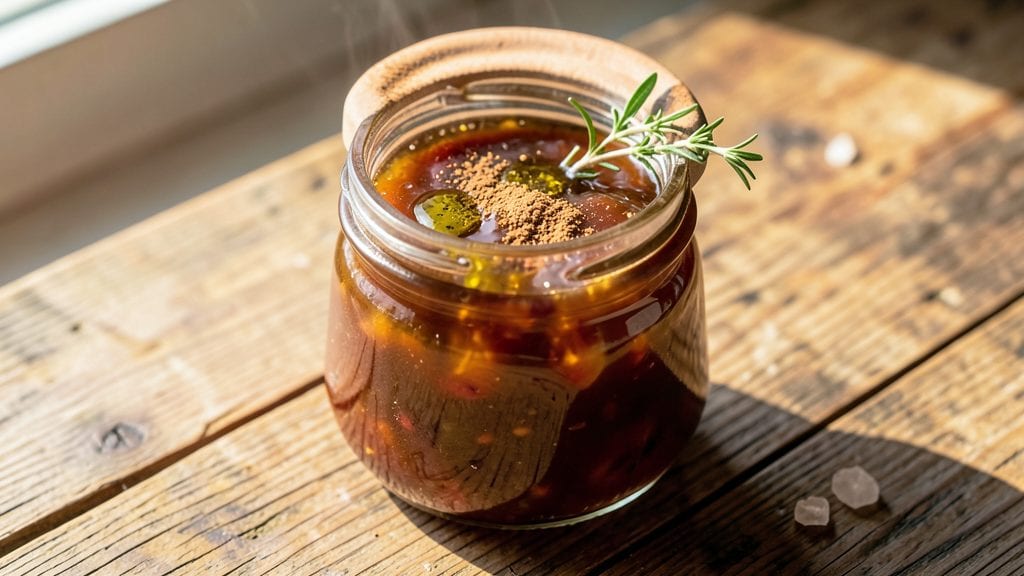
Creating guava jam without pectin transforms simple fruit into a velvety, naturally set preserve that rivals store-bought versions—no additives required. The secret lies in balancing sugar and citrus acidity, which activates the fruit’s own pectin.
After years of experimentation, I’ve perfected a method that delivers a smooth, glossy jam with minimal effort.
This recipe relies on ripe guavas and precise sugar ratios to achieve that signature gel without commercial thickeners. The process involves simmering fruit with lemon juice, which enhances natural pectin activation while adding brightness. Unlike traditional recipes, this version skips the pectin entirely while still delivering professional results.
What you’ll end up with is a vibrant orange jam with a perfect balance of sweetness and tang—ideal for toast, yogurt, or gifting. The texture remains spreadable yet holds its shape, proving that natural gelling agents can outperform artificial ones.
Ready in under an hour, this jam keeps beautifully for months.
For best results, use fully ripe guavas and follow the simmering times precisely. The citrus magic doesn’t just set the jam—it elevates the flavor, creating a preserve that tastes fresh and vibrant long after the season ends. Let’s get started on this naturally perfect spread.
Ingredients for guava jam recipe without pectin
Six ingredients unlock the secret to naturally thickened guava jam that shines without pectin.
| Ingredient | Amount | Notes |
|---|---|---|
| Ripe Guavas 🍈 | 2 lbs | Fully ripe, skin bright orange-yellow |
| Granulated White Sugar 🍚 | 3 cups | Fine grain preferred for even dissolving |
| Fresh Lemon Juice 🍋 | ½ cup | From 2-3 medium lemons, freshly squeezed |
| Extra-Virgin Olive Oil 🫒 | 1 tbsp | Light flavor, prevents sticking |
| Ground Cinnamon 🌿 | ½ tsp | Optional, for subtle warmth |
| Sea Salt 🧂 | ¼ tsp | Fine grain, enhances flavor balance |
Ripe guavas are non-negotiable—they must be soft to the touch with vibrant orange-yellow skin. Mexican or Indian markets often carry perfectly ripe ones, but if you're buying from a regular grocery store, pick fruit that yields slightly to gentle pressure. The sugar ratio is critical here: 3 cups for every 2 pounds of fruit ensures proper pectin activation. I always use fine-grained sugar like Domino or C&H—it dissolves faster and prevents graininess. For the lemon juice, Eureka lemons have the best balance of acidity and sweetness, but regular lemons work too. The olive oil might seem odd, but it creates a silky texture and prevents the jam from sticking to the pot—trust me, it's worth the tiny effort.
No ripe guavas? Fully ripe mangoes or papayas can substitute at a 1:1 ratio, though the flavor profile shifts slightly. Running low on lemon juice? Lime juice or bottled citrus juice works in a pinch, but fresh is ideal for that bright, zesty kick. Swapping the olive oil for apple cider vinegar at half the amount adds tanginess and still prevents sticking. The cinnamon is optional but adds a warm depth—if you skip it, a pinch of vanilla extract works beautifully. For those avoiding sugar, agave syrup or honey can replace the sugar at a 1:1 ratio, though the texture may be slightly softer. Always strain the fruit through a fine-mesh sieve to ensure a silky-smooth consistency, no matter what you substitute.
This jam sets beautifully in sterilized glass jars—I use canning jars from Ball or Mason for that classic look. Once sealed, it keeps for up to 6 months in the pantry or 1 year in the freezer. The first batch is always the best—it’s hard to resist spreading it on warm toast or dolloping it over Greek yogurt. For gifting, I portion it into small jars with a sprig of fresh rosemary tied to the lid. The flavor actually improves over time, so don’t worry about making too much—it’s the kind of jam that disappears faster than you can say 'citrus magic.'
Why You'll Love This Recipe
- Just Three Ingredients: I swear, this jam comes together with guavas, sugar, and lemon juice—no pectin, no fuss. Honestly, the olive oil and cinnamon are just the cherry on top, but the base is so simple even my "I-can't-boil-water" friend could handle it.
- Tropical Warmth: That balance of sweet guava, bright lemon, and a whisper of cinnamon? It’s like summer in a jar. The olive oil keeps it silky-smooth, not sticky or cloying—just rich and inviting, like a hug from your abuela’s kitchen.
- Breakfast to Baking: Slather it on toast, dollop it into yogurt, or use it to glaze ham for the holidays. Between us, I’ve even tossed it into oatmeal when I’m lazy. It’s the kind of jam that makes every meal feel a little more special without trying too hard.
- Lasts Months, Costs Pennies: A single batch of guavas stretches forever, and sugar is cheap. Store it in the fridge, and it’ll keep for weeks—no fancy jars needed. I’ll be real: I’ve had a jar sit for three months, and it still tastes like day one. Budget-friendly? Absolutely.
Step-by-step instructions for guava jam without pectin
This method transforms ripe guavas into velvety-smooth jam using only citrus acidity and natural pectin—no additives needed!
Prepare the Guavas for Cooking
Begin by cutting the 2 lbs ripe guavas in half lengthwise, then scoop out the flesh with a spoon, discarding the skins and seeds. You should yield about 3 cups of guava pulp—this is your base. Transfer the pulp to a large, heavy-bottomed saucepan and stir in the 0.5 cup fresh lemon juice. The acidity from the lemon will activate the natural pectin in the guavas, helping them gel beautifully.
Here's the thing—ripe guavas should be soft enough to mash easily with a fork. If yours are too firm, let them sit at room temperature for 30 minutes before processing. The riper the fruit, the more natural pectin it contains, which means a thicker, more stable jam. Add the 1 tbsp extra-virgin olive oil now to prevent the guava from sticking to the pan during cooking.
Cook Until Soft and Fragrant
Place the saucepan over medium-high heat and bring the guava mixture to a gentle boil. Once boiling, reduce the heat to medium-low and let it simmer uncovered for 15-20 minutes, stirring occasionally. You're looking for the guava to break down completely—it should transform into a thick, fragrant purée that coats the back of a spoon.
I know it seems like a long wait, but this step is critical. The longer you cook, the more the natural pectin releases. Stir every 3-4 minutes to prevent sticking, and keep the heat steady. If the mixture starts to bubble too vigorously, reduce the heat slightly. You'll know it's ready when the guava loses its raw texture and smells intensely sweet with a hint of citrus.
Add Sugar and Spices for Balance
Increase the heat back to medium-high and sprinkle in the 3 cups granulated white sugar all at once. Stir vigorously to dissolve the sugar completely—this should take about 2-3 minutes. The mixture will foam up dramatically as the sugar integrates. Once fully dissolved, reduce the heat to low and add the 0.5 tsp ground cinnamon and 0.25 tsp sea salt. Stir well to distribute evenly.
The sugar isn't just for sweetness—it helps stabilize the jam by drawing out moisture and concentrating the pectin. The cinnamon adds warmth, while the salt enhances all the flavors. Let the mixture simmer gently for another 10 minutes, stirring occasionally. You'll notice the jam thickening as it cooks—this is the natural pectin doing its magic.
Test for Gel and Finish Cooking
To test if your jam has reached the perfect gel consistency, perform the plate test: spoon a small amount onto a chilled plate and let it sit for 1 minute. If it wrinkles slightly when you push it with your finger, it's ready. If it runs like liquid, return it to the heat and simmer for another 5-10 minutes, testing again. This step ensures your jam will hold its shape without being overly thick.
Once the jam passes the plate test, remove it from the heat and let it cool for 5 minutes. This resting period allows the flavors to meld and the texture to set properly. For a smoother finish, press a piece of parchment paper directly onto the surface of the jam to remove any foam or bubbles. The result should be a glossy, vibrant jam with a perfect balance of sweetness, tartness, and warmth.
Store and Enjoy
Transfer the jam to clean, sterilized jars while it's still warm. Seal the jars tightly and let them cool completely at room temperature. Once cooled, store them in the refrigerator for up to 3 weeks, or process them in a water bath for 10 minutes to extend shelf life to 1 year. The jam will thicken further as it cools, achieving that ideal spreadable consistency.
This guava jam is incredible on toast, swirled into yogurt, or paired with sharp cheeses. The natural gel gives it a luxurious texture without any artificial additives. And the best part? You've harnessed the power of citrus to create something truly special—no pectin required!
Pro Tips For Making Guava Jam Recipe Without Pectin
- Smash the Guavas: Grab a rolling pin or heavy pan and crush those peeled guavas into a thick pulp before adding sugar—this releases more juice and speeds up the cooking process. I used to chop them finely, but smashing them cuts the simmering time by nearly half.
- Sugar in Stages: Don’t dump all the sugar at once. Start with half, let it dissolve completely, then add the rest—this prevents grainy jam and helps the lemon juice blend smoothly. I learned this after scraping sugar crystals off my toast for weeks.
- Watch the Olive Oil: Add the olive oil after the jam thickens and pulls away from the pot edges—it’s not for cooking, but for gloss and richness. Too early, and it burns; too late, and it won’t emulsify properly. A splash (1 tablespoon) is enough to make it taste like a gourmet upgrade.
- Skip the Boil: Once the jam reaches 220°F (104°C), pull it off heat immediately—overcooking turns it into syrup. Use a candy thermometer or the wrinkle test (jam should wrinkle when chilled on a plate). I’ve ruined batches by ignoring this, and it’s not pretty.
Flavor customization for this guava jam recipe without pectin
Citrus Variations
Swap the lemon juice for lime juice to add a sharper, tropical twist—just use the same 0.5 cup amount. For a more complex flavor, mix 0.25 cup lemon juice and 0.25 cup orange juice to balance sweetness and acidity.
I’ve also experimented with grapefruit juice, which adds a bold, slightly bitter depth that pairs beautifully with guava’s natural sweetness. 🍋
Spice Infusions
For a winter spice version, add 0.25 tsp ground cardamom and 0.125 tsp black pepper along with the cinnamon. The cardamom’s floral notes complement guava’s tropical sweetness, while black pepper adds a subtle warmth.
If you love smoky flavors, try 0.125 tsp smoked paprika—it transforms the jam into a cozy, almost BBQ-inspired spread perfect for grilled meats.
Herbal Brightness
Fresh herbs elevate this jam to restaurant-quality. Finely chop 1 tbsp fresh mint or 1 tbsp basil and stir it in during the final 10 minutes of simmering. The mint adds a refreshing, almost mojito-like brightness, while basil gives a sweet, slightly peppery note.
For a Mediterranean twist, add 1 tsp dried oregano—it pairs surprisingly well with guava’s tropical profile. 🌿
Sweetness Adjustments
Reduce sugar to 2.5 cups for a lighter, less sweet jam that lets the guava’s natural flavors shine. If you prefer extra richness, increase to 3.5 cups and simmer for an additional 5 minutes to intensify the gel.
For a raw version, blend the cooked guava with 1 cup honey and 0.25 cup chia seeds, then refrigerate for 4 hours—this creates a no-cook jam with a thicker, almost pudding-like texture.
Global Flavors
Transform this into a Mexican-inspired jam by adding 1 tsp ground cumin and 0.5 tsp chili powder during the final simmer. The earthy cumin and smoky chili create a salsa-like jam perfect for drizzling over tacos or grilled chicken.
For an Indian twist, stir in 0.5 tsp ground ginger and 0.25 tsp turmeric—the warmth of ginger and earthy turmeric make this jam a star in cheese boards or curry accompaniments.
Texture Tweaks
For a chunky jam, leave 2 tbsp diced guava skins in the mixture before cooking—they add a pleasant chewiness. To make it extra glossy, add 1 tbsp cornstarch when dissolving the sugar; it enhances the shine without altering the natural set.
If you prefer a spreadable texture, simmer the jam for 5 minutes longer after the plate test to ensure a thicker consistency. ✨
Nutrition facts
Frequently asked questions
Why does lemon juice help set the jam without pectin?
The acidity in lemon juice activates the natural pectin already present in ripe guavas. This chemical reaction helps the fruit's own gelling agents bind together, creating a thick, spreadable texture. Think of it as a natural "glue" that holds the jam together without needing additives.
Can I make this guava spread with unripe guavas?
Unripe guavas contain very little natural pectin, so they won't set properly without commercial thickeners. For best results, use fully ripe fruit that's soft to the touch. If you must use slightly underripe guavas, simmer them for an extra 10-15 minutes to help break down their fibers and release more pectin.
How do I know when the jam is done?
Use the plate test: spoon a small amount onto a chilled plate and let it sit for 1 minute. If it wrinkles slightly when you push it with your finger, it's ready. If it runs like liquid, return it to the heat and simmer for another 5-10 minutes, testing again. The jam should hold its shape but still be spreadable.
What if my jam didn't thicken properly?
If your jam remains too runny, try one of these fixes: simmer it uncovered for another 10-15 minutes to evaporate more liquid, or add 1 tbsp cornstarch mixed with 2 tbsp water and stir until thickened. For future batches, ensure your guavas are fully ripe and use the exact sugar-to-fruit ratio specified.
Can I substitute honey for sugar in this recipe?
Yes, but with adjustments: replace the sugar with 1 cup honey (about 1.5x the volume) and reduce the lemon juice to 0.25 cup to balance sweetness. Simmer for 5 minutes longer as honey has different gelling properties. The texture will be slightly softer but still delicious. For a no-cook version, blend cooked guava with 1 cup honey and 0.25 cup chia seeds, then refrigerate for 4 hours.