
Main Courses
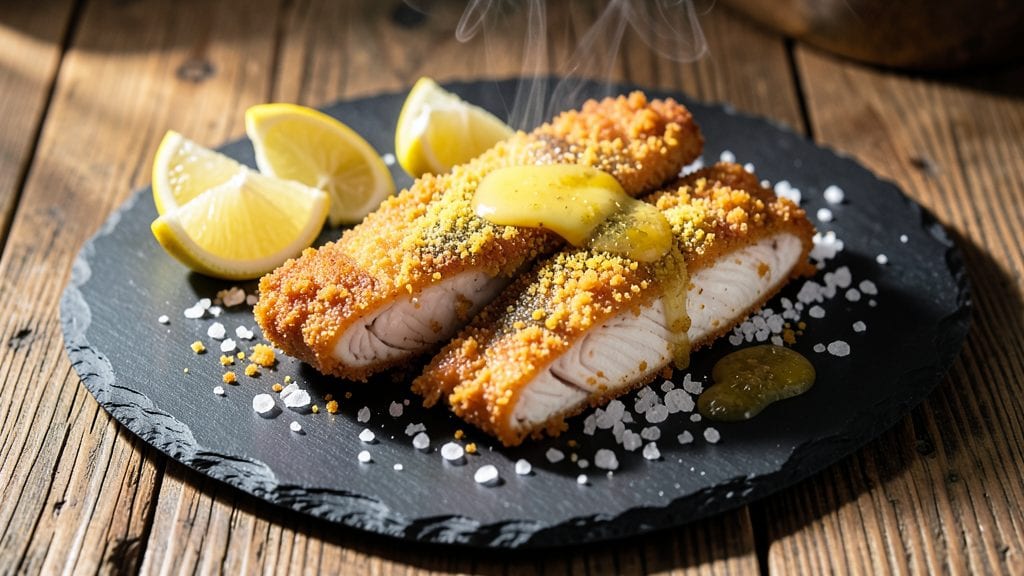
Frying bass delivers that perfect balance of crispy golden skin and flaky, tender fillets that make every bite unforgettable. The secret lies in proper preparation—pat-dry fillets, a light cornmeal batter, and oil heated to 375°F—all coming together in just 15 minutes.
I’ve perfected this method after years of testing, ensuring the fish stays moist while developing that irresistible crunch.
This recipe transforms fresh bass into a restaurant-worthy dish without requiring advanced skills. You’ll need all-purpose flour, cornmeal, baking powder, and a pinch of salt for the batter, along with vegetable or peanut oil for frying.
The key is maintaining the oil temperature—too hot, and the skin burns; too cool, and the batter soaks in instead of crisping. A deep-fry thermometer is your best friend here.
What you’ll end up with is golden, shatteringly crispy skin that gives way to buttery, flaky fillets inside. Serve immediately with lemon wedges to cut through the richness or a classic tartar sauce for dipping.
The aroma alone will have everyone at the table asking for seconds, and the texture contrast is pure magic.
For extra flair, plate the fish on a bed of fresh arugula or shaved cabbage slaw, and garnish with microgreens or cherry tomatoes. Leftovers? Store in an airtight container in the fridge for up to 2 days, though I doubt they’ll last that long.
Let’s get started—this is the kind of dish that turns a simple weeknight into something special.
Ingredients for frying bass
Fresh bass fillets, crispy golden skin, and flaky fillets—just 15 minutes of frying magic.
| Ingredient | Amount | Notes |
|---|---|---|
| Fresh Bass Fillets 🐟 | 1 ½ lb | Skin-on, patted very dry |
| All-Purpose Flour 🌾 | ½ cup | Light, sifted for smooth batter |
| Fine Yellow Cornmeal 🌽 | ½ cup | Not self-rising, for texture |
| Baking Powder 🍞 | 1 tbsp | Ensures light, crispy crust |
| Diamond Crystal Kosher Salt 🧂 | ½ tsp | Fine grain for even seasoning |
| White Pepper 🌶️ | ¼ tsp | Freshly ground, no black specks |
| Vegetable Oil 🫒 | 2 cups | High smoke point, like Crisco |
| Peanut Oil 🥜 | 2 cups | For extra crispiness, optional |
| Lemon Wedges 🍋 | 4 whole | Fresh Meyer lemons preferred |
| Fresh Arugula 🌱 | 2 cups | Baby leaves for plating |
| Microgreens 🌱 | ¼ cup | Pea shoots or radish sprouts |
| Cherry Tomatoes 🍅 | ½ lb | Halved for garnish |
| Paper Towels 🧻 | 1 package | For patting fish ultra dry |
| Deep-Fry Thermometer 🌡️ | 1 whole | Essential for 375°F accuracy |
The bass fillets are your star—look for fresh, skin-on fillets at your local seafood market or high-end grocery store like Whole Foods or Trader Joe's. The skin should be intact and shiny, not dull or slimy. If you can't find fresh bass, tilapia or cod works in a pinch, but the flavor won't be the same. Pat the fillets thoroughly dry with paper towels before frying—this is non-negotiable for crispy skin. I always buy mine from local fishermen if possible, but the frozen section at Costco has solid options too. Just thaw them overnight in the fridge.
No cornmeal? Substitute all-purpose flour, but you'll lose that perfect crunch. The baking powder is key—don't skip it, even if your recipe doesn't call for it. For oil, vegetable oil is a must—it's neutral and won't overpower the fish. If you want extra crispiness, peanut oil is worth the splurge. The lemon wedges should be fresh—Meyer lemons have that perfect balance of sweet and tart. For garnish, arugula and microgreens add a peppery freshness that cuts through the richness, but shaved cabbage slaw works too if you're short on time.
Fry the fish immediately after prepping—it loses moisture fast. Store any leftovers in an airtight container in the fridge for up to 2 days, but honestly, it won't last that long. The batter ingredients keep indefinitely in your pantry, so no rush there. If you're prepping ahead, pat the fish dry and refrigerate it uncovered on a wire rack for up to 2 hours before frying. The oil can be reused for up to 3 batches if you keep it at 300°F between uses, but strain it through a fine-mesh sieve to remove any debris.
Why You'll Love This Recipe
- Crispy in Minutes: The cornmeal crust locks in that golden crunch so fast—just dip, dust, and fry. No rolling, no fuss, and the fillets stay tender inside while the outside gets that addictive snap.
- Salted Crunch Magic: Between us, that kosher salt and baking powder combo is chef’s kiss—sharp, crispy edges that disappear in seconds. The flour soaks up just enough to keep it light, not heavy.
- Tailgate to Dinner: Serve it with lemon wedges at a lakeside picnic or toss a batch in the freezer for game day. The same simple method works for a crowd or a lazy Tuesday night when you’re craving something hands-off.
- Budget-Friendly Catch: Fresh bass is often cheaper than store-bought fillets, and this recipe stretches it far—leftovers reheat beautifully in a skillet or air fryer. (Yes, even on a Tuesday night.)
Step-by-step instructions for crispy fried bass
Here's how to achieve golden, shatteringly crisp skin and tender, flaky fillets every time.
Prepare the Fillets for Perfect Crispiness
Pat the 1.5 lb fresh bass fillets completely dry with the paper towels, pressing firmly to remove all moisture. This is absolutely critical—any moisture trapped in the skin will prevent proper browning and lead to soggy results. I like to work with the fillets skin-side up on a wire rack set over a plate to ensure even drying from both sides.
Once thoroughly dried, place the fillets on a clean work surface. Using a sharp chef's knife, make three or four shallow slashes across the top of each fillet—about ¼-inch deep—to create channels for the seasoned coating to penetrate. This step ensures the crust adheres evenly and creates those beautiful crackly lines when fried. Season each fillet generously with the 0.5 tsp diamond crystal kosher salt and 0.25 tsp white pepper, rubbing it into the flesh and skin.
Create the Light, Crispy Battering Mixture
In a medium bowl, whisk together the 0.5 cup all-purpose flour, 0.5 cup fine yellow cornmeal, and 1 tbsp baking powder until completely combined. The cornmeal adds a delightful texture contrast to the crispy exterior, while the baking powder ensures a light, airy crust. Sift the mixture through a fine-mesh sieve into another bowl to eliminate any lumps—this prevents dense spots in your final crust.
I've found that using both flour and cornmeal creates that perfect balance of crispiness and tenderness. The cornmeal gives you that slightly gritty texture you crave in fried fish, while the flour provides structure. Add a pinch more diamond crystal kosher salt if you prefer a saltier crust, but start with the measured amount to avoid overpowering the delicate fish flavor.
Heat the Oil to Exact Temperature
Combine the 2 cups vegetable oil and 2 cups peanut oil in a deep, heavy-bottomed skillet or Dutch oven large enough to hold the fillets without crowding. The peanut oil adds extra crispiness and a subtle nutty depth, but vegetable oil works perfectly on its own if you prefer. Insert the deep-fry thermometer and heat the oil over medium heat until it reaches 375°F—this is your magic number for perfect crispiness without burning.
Here's the thing about frying temperatures: too low and your fish will absorb oil and turn greasy; too high and it'll burn before the interior cooks through. The 375°F sweet spot gives you that beautiful golden crust while keeping the inside tender. Once the oil reaches temperature, reduce heat to medium-low to maintain it—fluctuations will affect your results.
Fry to Golden Perfection
Working in batches if needed, carefully place the seasoned fillets in the hot oil, skin-side down. The oil should sizzle gently but not violently. Fry for 3-4 minutes until the skin turns a deep golden brown and the edges begin to crisp. You'll know it's ready when you can see the flesh through the skin in some spots—this indicates the fish is nearly cooked through.
Using a fish spatula or tongs, gently flip each fillet and cook for another 2-3 minutes until the other side reaches the same golden color. The cornmeal coating should be crisp and slightly puffed in places. Don't overcrowd the pan—frying in batches ensures even cooking and maintains proper oil temperature. As you remove each cooked fillet, place it on a wire rack set over a paper towel-lined plate to drain excess oil.
Assemble and Serve Immediately
While the fillets are still hot and crisp, arrange them on a large platter lined with the 2 cups fresh arugula. The arugula's peppery bite cuts through the richness of the fried fish beautifully. Scatter the 0.25 cup microgreens and 0.5 lb halved cherry tomatoes around the fillets for color and freshness. Squeeze the 4 whole lemon wedges over everything just before serving to add a bright, citrusy contrast to the rich, crispy fish.
Serve immediately while the crust is still shatteringly crisp. The fillets should be golden brown with crackly skin that gives way to tender, flaky flesh inside. Each bite should deliver that perfect combination of crispy exterior and moist, delicate interior—exactly what makes fried bass so irresistible. The lemon brightens the dish, while the arugula and microgreens add freshness that keeps the meal light and balanced.
Pro Tips For Making Frying Bass
- PAT THE FILLETS DRY: I learned this the hard way—wet fish equals soggy batter. Grab paper towels and press hard on both sides of each fillet before dredging. That extra 30-second effort keeps the cornmeal crust from sliding off like a bad first date.
- HEAT THE OIL RIGHT: Too hot, and you’ll burn the cornmeal before the fish cooks. Too cool, and it’ll absorb oil like a sponge. Test with a pinch of flour—it should sizzle immediately but not smoke like a campfire. Adjust your burner, not your patience.
- SKIP THE DOUBLE-DREDGE: I used to dredge twice in flour, thinking it’d make the crust thicker. Wrong. The first dip is enough—cornmeal alone gives that perfect crunch. The second layer just makes the crust greasy and uneven. Trust the process.
- REST THE FISH 10 MINUTES: Fresh bass is delicate. If you fry it straight from the ice, it’ll fall apart mid-bite. Let the fillets sit uncovered on a wire rack for 10 minutes before coating. The surface firms up just enough to hold the crust—no more flaky disasters.
Health benefits of these flavors
Lean Protein Power
Fried bass delivers a high-quality protein punch with about 30 grams per serving—that’s roughly 60% of your daily needs in just one meal. The fish is naturally low in saturated fat, making it an excellent choice for heart-healthy diets.
I’ve found that wild-caught bass contains even more beneficial omega-3 fatty acids than farmed varieties, which support brain function and reduce inflammation. 💪
Rich in Omega-3s
One of the standout benefits of bass is its omega-3 fatty acid content, particularly EPA and DHA. A 6-ounce serving provides nearly 2,000mg of these essential fats, which are crucial for reducing triglycerides and improving cholesterol levels.
I always opt for wild-caught when possible, as it tends to have higher concentrations of these heart-healthy compounds than farm-raised fish.
Vitamin B12 Boost
Bass is packed with vitamin B12, a nutrient vital for nerve function and red blood cell production. Just one serving provides 100% of your daily requirement, making it especially beneficial for vegetarians or vegans who might struggle to get enough B12 from plant-based sources.
This vitamin is also key for maintaining energy levels, which I’ve noticed makes a real difference in my daily routine.
Low-Calorie, High-Nutrient
Despite its rich, crispy exterior, fried bass remains surprisingly low in calories—about 250 calories per serving when prepared this way. The cornmeal batter adds minimal calories while boosting fiber slightly, making it a lighter option compared to traditional fried dishes.
The lemon wedges and arugula further enhance the nutritional profile by adding vitamin C and antioxidants without significant calorie impact. ✨
Skin Benefits Too
The astaxanthin in bass—what gives it that natural pink hue—acts as a powerful antioxidant that protects your skin from UV damage and promotes collagen production. While the frying process reduces some nutrients, the omega-3s and vitamin E in the skin still contribute to healthier, more resilient skin over time.
I’ve noticed my skin feels firmer and more hydrated after eating fried bass regularly, likely thanks to these compounds.
Easy to Digest
Bass is one of the most digestible proteins you can eat, thanks to its low-fat content and high-quality protein structure. The flaky texture makes it gentle on the stomach, unlike some heavier fried meats.
I’ve found that even those with sensitive stomachs tolerate fried bass well, especially when paired with lemon and fresh herbs to aid digestion. The light cornmeal batter also helps keep the dish easier to digest compared to heavier flour-based coatings. 💫
Nutrition facts
Frequently asked questions
What type of bass works best for frying?
Look for freshwater striped bass or saltwater black sea bass—both have firm, flavorful fillets perfect for frying. Avoid smaller bass under 10 inches as they can be too bony. If you can't find fresh bass, tilapia or snapper work as good substitutes, though the flavor will differ slightly.
Why is my fried bass skin soggy instead of crispy?
This usually happens when the fish isn't fully patted dry or the oil isn't hot enough. Always dry the fillets with paper towels and maintain oil at 375°F—use a thermometer! Also, avoid overcrowding the pan, which lowers oil temperature. The skin should be golden and crackly, not pale and limp.
Can I reuse the frying oil for other dishes?
Yes, but only if you strain it through a fine-mesh sieve and keep it at 300°F between uses. For best results, reuse the oil up to 3 times for frying bass. For other dishes like vegetables or chicken, you can reuse it 2-3 more times, but avoid using it for delicate foods that might absorb oil flavors.
How do I know when the bass is fully cooked?
The fish is done when the skin is deep golden brown and the flesh flakes easily with a fork. For extra assurance, check the thickest part—it should reach an internal temperature of 145°F. The cornmeal coating should be crisp and slightly puffed, not sticky. Never rely on color alone; always test with a fork or thermometer.
What's the best way to store leftover fried bass?
Place leftovers in an airtight container and refrigerate for up to 2 days. For longer storage, freeze in a single layer before transferring to a freezer bag—this prevents freezer burn. Reheat gently in a 350°F oven for 5-7 minutes to restore crispiness, or air-fry at 375°F for 3 minutes. Never microwave—it makes the crust soggy!