
Main Courses
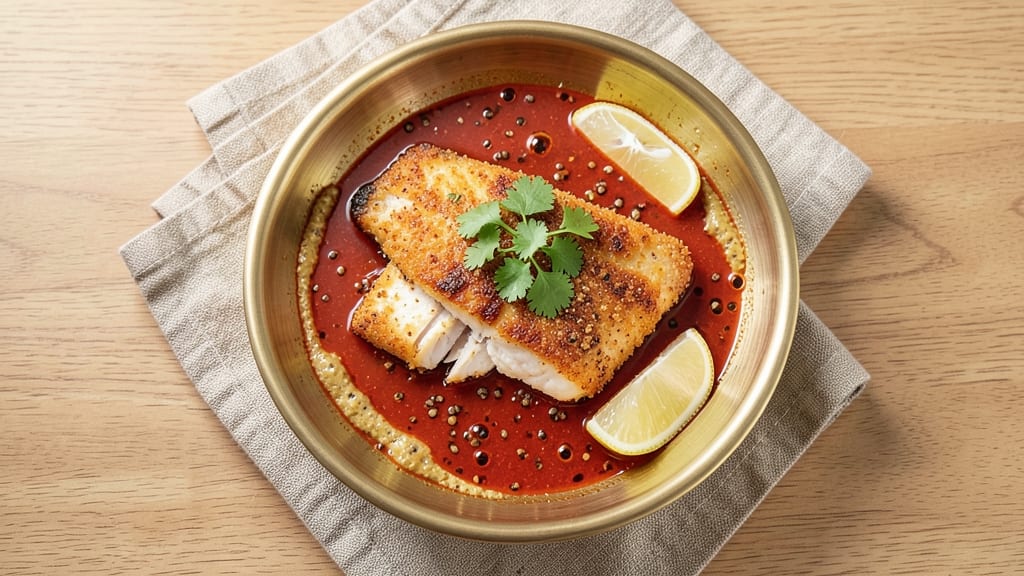
This fried fish Indian recipe delivers the perfect balance of crispy golden crust and tender, flavorful fillets that taste just like your favorite street-side chai stall.
The secret lies in a light, airy batter made with gram flour and turmeric, which creates a delicate shell that shatters at the first bite while keeping the inside moist.
I've perfected this technique over years of testing, ensuring every piece emerges from the oil with that signature golden hue and addictive crunch.
The beauty of this recipe is its versatility—whether you're serving it for a weeknight dinner or a festive gathering, the method remains the same. A tangy tamarind kiss from the marinade cuts through the richness of the fried fish, while a sprinkle of chaat masala adds a bright, aromatic finish.
The batter requires just five simple ingredients, and the frying process takes less than 10 minutes, making it a foolproof method for achieving restaurant-quality results at home.
What you'll end up with is fish that's crispy on the outside, tender on the inside, and bursting with flavor in every bite. The golden-brown crust gives way to flaky, juicy fillets that pair perfectly with lemon wedges, mint chutney, or a side of spicy onion salad.
This dish is more than just a meal—it's a celebration of Indian street food culture, brought to your kitchen with professional precision.
Serve with steamed basmati rice, roti, or a fresh cucumber raita to complete the experience. The key to success is maintaining the right oil temperature and working in small batches to ensure even cooking. Let's get started on creating your perfect batch of crispy, golden fried fish.
Ingredients for fried fish indian
Five key ingredients create the perfect crispy golden crust for restaurant-style fried fish.
| Ingredient | Amount | Notes |
|---|---|---|
| White Fish Fillets 🐟 | 1 ½ lb | Firm white fish like cod or tilapia |
| Gram Flour 🌾 | 1 cup | Also called chickpea flour |
| Turmeric Powder 🌶️ | 1 tbsp | Freshly ground preferred |
| Rice Flour 🍚 | ½ cup | For extra crispiness |
| Tamarind Paste 🍈 | 2 tbsp | Adjust for tanginess |
| Ginger-Garlic Paste 🧄 | 2 tbsp | Freshly made preferred |
| Red Chili Powder 🌶️ | 1 tsp | Adjust for heat preference |
| Salt 🧂 | 1 tsp | Fine sea salt preferred |
| Vegetable Oil 🫒 | 3 cups | For deep frying |
| Lemon Wedges 🍋 | 4 whole | For serving |
| Chaat Masala 🌿 | 1 tbsp | For final garnish |
| Fresh Cilantro 🌿 | ¼ cup | Chopped for garnish |
| Lemon Juice 🍋 | 1 tbsp | Freshly squeezed |
The fish selection is critical—cod, tilapia, or pangasius work best due to their firm texture and mild flavor. Look for fillets that are fresh, firm, and free of any fishy odor at your local seafood counter. Whole Foods Market or Trader Joe's typically carry high-quality frozen fillets that thaw quickly in cold water. If using fresh, ask the fishmonger to skin and portion the fillets for you. Gram flour is the secret to that signature crispy texture—ensure it's fresh as old flour loses its binding properties. For the tamarind paste, Indian grocery stores offer the most authentic versions, but a good substitute is a blend of lemon juice and a pinch of sugar if needed.
No gram flour? Rice flour or all-purpose flour work in a pinch, though the texture may be slightly denser. Short on tamarind? Lemon juice or vinegar adds tanginess, but reduce the amount by half since they're milder. The ginger-garlic paste can be made fresh by blending peeled ginger and garlic cloves with a splash of water, or use 1 tsp each of ginger and garlic powder if needed. For extra heat, swap red chili powder for cayenne pepper or green chili paste. The chaat masala is non-negotiable for that authentic finish—look for it in the international aisle or online if your local store doesn't carry it.
Store any leftover batter ingredients in an airtight container for up to 1 week in a cool, dry place. The fish fillets should be used immediately if fresh, or thawed in the fridge overnight if frozen. Once fried, serve immediately as the crispiness diminishes quickly. For meal prep, fry just enough for one serving and store the remaining fillets in the fridge for up to 2 days, reheating in a skillet with a little oil. The chaat masala and fresh cilantro keep well in the fridge for 1 month and 5 days respectively, so stock up if you plan to make this recipe often.
Why You'll Love This Recipe
- No-Fuss Coating: The batter’s a dream—just gram flour and rice flour mixed with turmeric, no eggs or weird ratios. I swear, even if you’re not a pro, the fish comes out golden every time.
- Tangy Crunch Magic: That tamarind paste? It’s the secret weapon—cuts through the richness of the fried fish with a bright, almost citrusy kick. The gram flour adds a satisfying crunch that disappears the second you bite in.
- Weeknight or Guest Night: Same batter, same method—whether it’s a lazy Tuesday or feeding unexpected company. I’ve served it with rice, curry, or just plain yogurt, and no one ever complains.
- Budget Crispy Leftovers: Fish freezes beautifully, and the batter costs pennies. Honestly, I make double batches—one for dinner, one for the freezer—because reheating it later tastes just as good as fresh.
Step-by-step instructions for crispy golden fried fish
Here's the method to achieve perfectly crispy, golden fried fish with a tangy tamarind kick.
Prepare the Marinade and Battering Station
In a large bowl, combine the 1 cup gram flour, 0.5 cup rice flour, 1 tbsp turmeric powder, 1 tsp red chili powder, and 1 tsp salt. Mix thoroughly until no flour streaks remain. This dry mixture forms the foundation of your crispy crust.
In a separate small bowl, whisk together the 2 tbsp tamarind paste, 2 tbsp ginger-garlic paste, and 1 tbsp lemon juice. This tangy marinade will infuse flavor into the fish while preventing the crust from becoming too dense. Keep both mixtures ready for the next step.
Season and Marinate the Fish Fillets
Pat the 1.5 lb white fish fillets completely dry with paper towels—this is crucial for achieving crispiness. Any moisture will prevent the batter from adhering properly and create a soggy crust. Place the dry fillets on a clean work surface.
Lightly brush each fillet with half of the tamarind marinade mixture, coating both sides evenly. Let the fish sit for 10 minutes while you prepare the frying station. This brief marinating step ensures the fish absorbs some of the tangy flavors before hitting the hot oil.
Create the Double-Coated Crust
Heat the 3 cups vegetable oil in a deep fryer or heavy pot to 350°F. Use a thermometer to monitor the temperature—this is critical for even cooking. While the oil heats, dip each fish fillet first into the dry flour mixture, pressing gently to adhere the coating evenly. Then, quickly dip into the remaining tamarind marinade, ensuring full coverage.
Finally, coat the fillets with another layer of the dry flour mixture, pressing firmly to create a thick, even crust. Place the coated fillets on a wire rack set over a plate to keep them dry and prevent sticking. This double-coating technique creates the signature crispy exterior while keeping the fish moist inside.
Fry to Golden Perfection
Carefully lower the fish into the hot oil using tongs, working in batches to avoid overcrowding. Fry for 3-4 minutes per side until the crust turns deep golden brown and the fish releases easily from the oil. You'll know it's ready when the crust looks uniformly crispy and the fish flakes easily with a fork.
Transfer the fried fish to paper towels to drain excess oil. Maintain the oil temperature at 350°F throughout frying—fluctuations can lead to uneven cooking or greasy results. The high heat ensures the crust forms quickly while keeping the fish tender inside.
Finish and Serve Immediately
While the fish is still hot, sprinkle with the 1 tbsp chaat masala and the 0.25 cup chopped fresh cilantro. The chaat masala adds a delightful tangy-spicy contrast to the fried fish, while the cilantro provides freshness. Serve immediately with the 4 lemon wedges on the side for squeezing.
For the best experience, serve this crispy fried fish while it's piping hot. The combination of the golden crust, tangy tamarind marinade, and fresh lemon creates a perfect balance of textures and flavors that makes every bite irresistible. The fish should be crispy on the outside with tender, flaky flesh inside.
Pro Tips For Making Fried Fish Indian
- PAT THE FISH DRY: I learned this the hard way—wet fish fillets won’t crisp. After frying a batch that came out soggy, I realized the batter just couldn’t cling. Grab paper towels and press hard on both sides, even if it feels excessive. That extra 30 seconds makes all the difference with the gram flour coating.
- MIX BATTER JUST BEFORE FRYING: Gram flour and rice flour batter thickens fast—like, too fast. I used to mix it 10 minutes early, and the fish turned out dense. Stir the batter with a whisk right before dipping each fillet, and keep a splash of water nearby to thin as needed. Fresh batter = lighter, crispier fish.
- USE TAMARIND PASTE SPARINGLY: Tamarind paste is potent—way more than you’d expect. I once drowned a batch in it, and the fish tasted bitter. Start with half a teaspoon, dissolved in a tablespoon of water, and adjust after tasting. The goal is tang, not a pucker.
- FRY IN BATCHES OF TWO: Crowd the pan, and the oil temperature drops like a rock. I used to fry three fillets at once, and they’d steam instead of sizzle. Keep it to two per side—yes, even if it means two trips to the pan. The crust will be golden, not greasy.
Wine and beer pairings for this fried fish indian
Crispy Fish & Light Whites
For this golden fried fish, I recommend a dry, crisp white wine that won't overpower the delicate flavors. A Chenin Blanc from India's Nashik region—like Sula Chenin Blanc—works perfectly. Its bright acidity and citrus notes mirror the tamarind marinade and lemon wedges, creating a refreshing contrast.
Serve it slightly chilled (45°F) to enhance the wine's crispness against the fried fish's richness. 🍷
Spiced Beer Pairings
A light lager with a hint of spice complements the fish beautifully. Try an Indian craft beer like Kingfisher Ultra or Tuborg Classic—both have a clean, crisp profile that won't clash with the fried crust.
For a bolder option, a German-style Hefeweizen with its banana and clove notes adds a surprising harmony to the tamarind and chaat masala flavors. Serve at 40°F for the best balance. 🍺
Regional Wine Alternatives
If you're serving this dish at a festive gathering, consider regional specialties. For Goan-style fried fish, a Vinho Verde from Portugal offers a zesty, slightly effervescent match.
The South Indian version pairs well with a Viognier from Karnataka, like Grover Zampa Viognier, which brings floral notes that complement the turmeric and gram flour crust. Both wines elevate the dish without overwhelming it. 🌿
Non-Alcoholic Options
For guests who prefer non-alcoholic drinks, a sparkling lime soda like Sprite or 7Up cuts through the richness beautifully. Alternatively, a minty cucumber cooler—muddled cucumber, lime juice, and soda water—adds a refreshing, palate-cleansing element that pairs perfectly with the crispy fish. Serve over ice for the best experience. ✨
Beer and Wine Storage Tips
Store your wine in a cool, dark place (like a pantry) until ready to serve—never refrigerate until the last moment, as this can mute the flavors. For beer, keep it in the fridge for at least 2 hours before serving to reach the ideal drinking temperature.
If you're prepping ahead, store the wine upright to prevent sediment from disturbing the flavor, and keep beer bottles horizontal to maintain carbonation. 💡
Final Presentation Touch
Garnish your fried fish with a lemon wedge and a sprig of cilantro before serving, then pair it with a small glass of wine or beer on the side. The visual contrast of the golden crust against the vibrant green herbs makes the dish even more inviting.
For a complete experience, serve with a cooling raita or spicy onion salad to balance the richness. 🌟
Nutrition facts
Frequently asked questions
What type of fish works best for this Indian fried fish recipe?
Firm white fish like cod, tilapia, or pangasius work perfectly due to their mild flavor and firm texture. Avoid delicate fish like sole or flounder—they can fall apart during frying. For extra authenticity, try Indian mackerel or Bombay duck if available at your seafood market.
Can I make the batter ahead of time?
Yes, but prepare it fresh for the best results. The dry flour mixture keeps well in an airtight container for up to 1 week, while the tamarind marinade should be made fresh. For the batter itself, mix dry ingredients only and add liquid just before frying to maintain crispiness.
Why did my fried fish turn out greasy instead of crispy?
Greasy results usually mean the oil temperature was too low (350°F is ideal). Use a thermometer and avoid overcrowding the pan. Also, ensure fish fillets are completely dry before battering—any moisture creates steam and prevents crispiness. Double-check your oil temperature before frying.
What's the best way to serve this Indian fried fish?
Pair it with steamed basmati rice, roti, or a cooling cucumber raita to balance the richness. Serve with lemon wedges and mint chutney for that authentic street-food experience. For extra flavor, sprinkle with chaat masala right before eating.
Can I use this batter for other proteins?
This same batter works wonderfully for chicken, shrimp, or even paneer. For shrimp, reduce frying time to 2-3 minutes per side. Just adjust cooking times based on protein size—thinner cuts cook faster than thicker pieces.