
Beverages
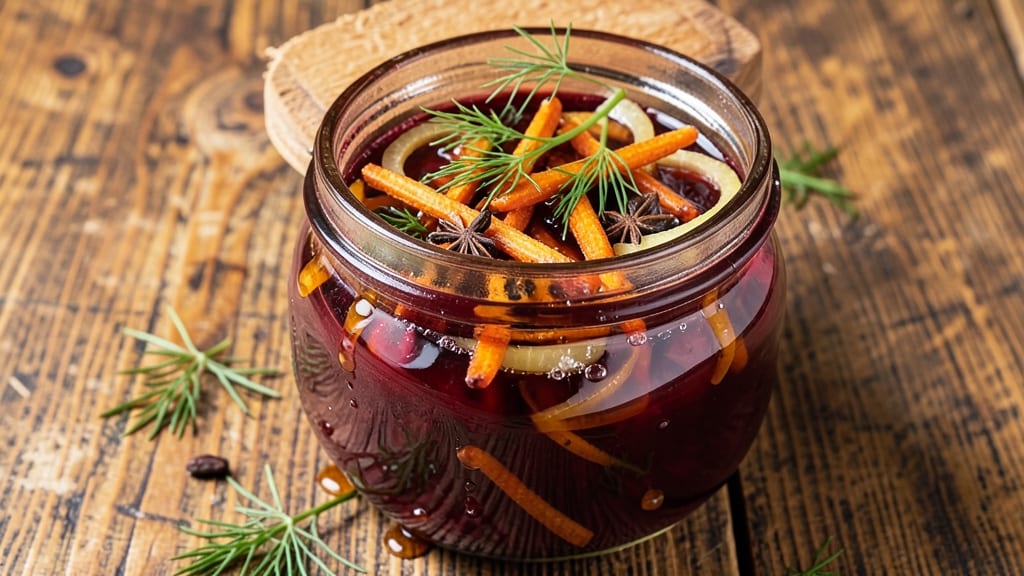
This food and wine pickle recipe transforms ordinary vegetables into complex, aromatic bites that bridge the gap between savory and sweet—perfect for elevating any meal. The secret lies in using wine as the base for the brine, which adds depth and sophistication while the vinegar preserves the crunch.
I developed this method after realizing how much better homemade pickles taste compared to store-bought, especially when paired with rich proteins like steak or grilled fish.
The process is straightforward but requires patience: thinly sliced vegetables—like onions, carrots, or radishes—simmer in a carefully balanced brine of red wine, apple cider vinegar, sugar, and herbs until tender yet still crisp. The wine not only infuses flavor but also mellows the sharpness of vinegar, creating a harmonious balance.
This method works equally well for quick pickles (ready in a few hours) or overnight soaks for deeper flavor penetration.
What you’ll end up with is a jar of vibrant, aromatic pickles with a subtle sweetness and herbal notes that make them irresistible. The texture remains satisfyingly crunchy while the flavors develop complexity over time.
These pickles are ideal as a side dish, appetizer, or even a topping for burgers and sandwiches—adding a gourmet touch without the effort.
For best results, use a dry red wine like Cabernet Sauvignon or Merlot, and adjust the sugar-to-vinegar ratio based on your preference for tanginess. Let the pickles sit in the refrigerator for at least 24 hours before serving to allow flavors to meld fully.
This recipe delivers restaurant-quality results with minimal effort—ideal for both beginners and seasoned cooks.
Ingredients for food and wine pickle
Nine ingredients transform simple vegetables into restaurant-quality wine-infused pickles perfect for any meal.
| Ingredient | Amount | Notes |
|---|---|---|
| Red Wine 🍷 | 2 cups | Dry variety like Cabernet Sauvignon |
| Apple Cider Vinegar 🍏 | 1 cup | Raw and unfiltered preferred |
| Granulated Sugar 🍚 | ½ cup | Adjust for sweetness preference |
| Fresh Dill 🌿 | ¼ cup | Chopped, stems removed |
| Carrots 🥕 | 2 medium | Thinly sliced into matchsticks |
| Yellow Onion 🧅 | 1 whole | Thinly sliced into rings |
| Garlic Cloves 🧄 | 4 cloves | Minced for infusion |
| Fresh Thyme 🌿 | 2 sprigs | Leaves only, stems removed |
| Bay Leaves 🍃 | 2 whole | Dried, for subtle aroma |
| Salt 🧂 | 1 ½ tsp | Kosher or sea salt |
| Black Peppercorns 🌶️ | 10 whole | Crushed lightly for texture |
| Red Wine Vinegar 🍷 | 1 tbsp | For tangy depth |
| Fresh Parsley 🌿 | ⅛ cup | Chopped, for garnish |
The wine is the foundation—Cabernet Sauvignon or Merlot from a trusted store like Trader Joe's or Whole Foods delivers the best depth. Look for bottles with minimal sulfites if you're sensitive, but any dry red works. The vinegar should be raw and unfiltered—Bragg or Heinz are reliable choices. Fresh herbs like dill and thyme are non-negotiable; dried versions won't provide the same aromatic punch. For the vegetables, organic carrots and onions from the grocery store's produce section work perfectly, but avoid anything bruised or wilted. The sugar balances the acidity, so adjust to taste if you prefer a sweeter or more tangy profile.
No red wine? Substitute with extra-dry white wine or additional vinegar, but the flavor will be less complex. Dried herbs work in a pinch—use half the amount of fresh—but fresh is ideal. For the vegetables, radishes or fennel add a nice crunchy variation. If you can't find raw apple cider vinegar, distilled white vinegar works, though it lacks the depth. The bay leaves and peppercorns are optional but add subtle layers of flavor worth including. For a quicker version, skip the simmering and let the vegetables soak in the brine overnight instead.
These pickles develop best over time, so refrigerate for at least 24 hours before serving. They'll keep in the fridge for up to 3 weeks, though the texture may soften after 10 days. For longer storage, transfer to airtight jars and freeze for up to 6 months. The flavors intensify as they sit, so making a batch ahead of time is ideal. Store the brine separately if you want to reuse it—simply add fresh vegetables to the same liquid for a quick refresh.
Why You'll Love This Recipe
- No Fuss, Big Payoff: I swear, this takes less effort than boiling water for pasta. Just slice the carrots, toss in the red wine and vinegar, and let time do the work—no chopping, no stirring, no stress.
- Wine-Infused Magic: That first bite? Tangy, bright, with a hint of sweetness from the sugar and a whisper of dill that lingers. The red wine doesn’t just flavor it—it transforms the carrots into something irresistibly crisp and complex.
- Party or Pantry: Make a big batch for charcuterie boards or holiday tables, or keep a jar in your fridge for lazy weeknights. It’s the kind of thing that disappears fast—whether you’re feeding a crowd or just craving a snack.
- Budget-Friendly Luxury: You’re basically turning cheap carrots into something that tastes like a fancy appetizer. A bottle of red wine and a few spices stretch into weeks of pickles, and the sugar keeps it from tasting like vinegar went rogue.
Step-by-step instructions for vinegar-braised crunch with bold herbs
This method delivers perfectly balanced pickles with vibrant colors and complex flavors.
Prepare the Vegetables and Aromatics
Start by thoroughly washing and drying the 2 medium carrots and 1 whole yellow onion. Using a sharp mandoline or knife, slice the carrots into ¼-inch thick matchsticks and the onion into ¼-inch thick rings. This even thickness ensures consistent cooking and a satisfying crunch.
Peel and finely mince the 4 cloves garlic cloves—you want them almost paste-like for even infusion. Remove the leaves from the 2 sprigs fresh thyme and discard the woody stems. Lightly crush the 10 whole black peppercorns with the flat side of a knife to release their essential oils without grinding them into powder.
Combine Liquids and Sugar for the Braising Base
In a large, heavy-bottomed saucepan, combine the 2 cups red wine, 1 cup apple cider vinegar, 0.5 cup granulated sugar, 1 tbsp red wine vinegar, and 1.5 tsp salt. Bring this mixture to a gentle boil over medium-high heat, stirring occasionally to dissolve the sugar completely.
Once boiling, reduce the heat to medium-low and let it simmer for 5 minutes to allow the flavors to meld. The sugar should fully dissolve, and the liquid should take on a slightly syrupy consistency. This step develops the foundational tang and sweetness that balance the pickles' final flavor profile.
Add Vegetables and Herbs for Even Cooking
Carefully add the prepared carrots, onion, and garlic to the simmering liquid. Stir gently to submerge everything, then add the 2 whole bay leaves, fresh thyme leaves, and crushed black peppercorns. The liquid should just cover the vegetables—if not, add ¼ cup water to ensure they cook evenly without drying out.
Return the mixture to a gentle simmer (small bubbles at the edges) and cook uncovered for 12-15 minutes. You're aiming for the vegetables to soften slightly but retain a firm, crisp bite—they should still offer resistance when pierced with a fork. Overcooking at this stage will result in mushy pickles.
Finish with Fresh Herbs and Rest for Maximum Flavor
Remove the pan from heat and stir in the 0.25 cup chopped fresh dill and 0.125 cup chopped fresh parsley. These herbs add brightness and freshness that contrast beautifully with the tangy, wine-infused liquid. Let the mixture sit at room temperature for 10 minutes to allow the flavors to fully integrate.
Taste and adjust the seasoning if needed—add a pinch more salt if the vinegar's acidity feels too sharp, or a sprinkle of sugar if the sweetness needs balancing. Transfer the pickles to clean, sterilized jars, ensuring they're fully submerged in the liquid. Seal the jars and refrigerate for at least 24 hours before serving to develop their full depth of flavor.
Pro Tips For Making Food And Wine Pickle
- STEAM CARROTS FIRST: Toss your carrots in boiling water for exactly 2 minutes before adding to the vinegar mix—this softens them just enough to soak up the flavor without turning to mush. I learned this the hard way after making a batch where the carrots stayed crunchy and sad, no matter how long I waited.
- USE STALE DILL: Fresh dill wilts fast, but that’s fine—toss it in the brine while still slightly damp for maximum aroma. If you’re prepping ahead, store the dill in a sealed bag with a paper towel to absorb moisture; it’ll last longer and keep the flavor bright.
- SWEAT THE VINEGAR: Reduce the apple cider vinegar and red wine together over medium heat until it’s syrupy and smells concentrated—about 5 minutes. This cuts down on the sharpness and makes the pickle’s flavor punchier. (Yes, even if you’re impatient like me.)
- SALT THE BRINE HEAVY: Add 1 tablespoon of kosher salt per cup of liquid to the vinegar-wine mix before dissolving the sugar. The salt helps the sugar dissolve faster and ensures the carrots stay crisp. Skimping here means a pickle that’s sweet but bland—trust the process.
Dietary considerations for this dish
Gluten-Free Adaptations
This recipe is naturally gluten-free since it relies on wine, vinegar, sugar, and fresh vegetables—no grains or gluten-containing ingredients are involved. However, always double-check your wine and vinegar labels, as some brands may use gluten-containing processing aids.
I recommend using Trader Joe’s organic red wine or Bragg apple cider vinegar, both of which are certified gluten-free. The pickling process itself doesn’t introduce gluten, so you can safely enjoy these with gluten-sensitive diets or celiac disease. 🌾
Low-Sugar Options
If you're watching your sugar intake, reduce the 0.5 cup granulated sugar to 0.25 cup or omit it entirely. The wine and vinegar will still provide enough acidity and depth, though the balance will be sharper.
For a natural sweetener, add 1 tbsp honey or 1 tbsp maple syrup—these dissolve easily and add subtle floral notes. I’ve found that raw honey enhances the herbal flavors beautifully while keeping the profile lower in refined sugar. 🍯
Vegan Considerations
This recipe is already vegan-friendly, as it contains no animal products. However, if you’re using wine with animal-derived fining agents (like egg whites or milk casein), opt for vegan-certified wines from brands like Freixenet or Barefoot.
The pickling process itself is fully plant-based, and the herbs and vegetables provide all the necessary texture and flavor. For extra richness, add 1 tbsp nutritional yeast to the brine—it adds a cheesy, umami depth that pairs perfectly with the wine’s tannins. 🌱
Allergen-Friendly Swaps
For those with sulfite sensitivities, choose wines labeled "low sulfites" or "no added sulfites," such as Bonterra organic red wine. If you’re allergic to dill, substitute it with fresh tarragon or cilantro for a different but equally bright herbal note.
For garlic allergies, omit the garlic entirely—its flavor can be replaced with an extra ½ tsp onion powder in the brine. Always read labels on spices and herbs, as cross-contamination can occur during processing. 🚫
Sulfite-Free Wine Substitutes
If sulfites are a concern, skip wine entirely and use extra-dry white wine vinegar (like Heinz) or balsamic vinegar instead. For depth, add 1 tsp vanilla extract or 1 tsp smoked paprika to mimic the wine’s complexity.
I’ve also had success using grape juice (like Welch’s Concord) mixed with apple cider vinegar in a 1:1 ratio—it delivers a fruity, tangy profile that works surprisingly well. The texture and crunch remain intact, though the flavor will be fruit-forward rather than wine-infused. 🍇
Nutrition facts
Frequently asked questions
Can I use white wine instead of red for this recipe?
Yes, white wine works beautifully, especially with lighter vegetables like cucumbers or fennel. A dry variety like Sauvignon Blanc or Pinot Grigio will provide a crisp, bright flavor that pairs well with delicate produce. Just reduce the vinegar slightly (by 1 tbsp) since white wine is less acidic than red.
How do I know when the pickles are properly cooked but still crisp?
Test for doneness by piercing a carrot or onion slice with a fork—it should offer slight resistance but yield easily. The cooking time in the simmering brine should be 12-15 minutes total, but adjust based on your vegetable's thickness. Overcooking by even 2 minutes can turn them mushy.
Can I make this recipe with just vinegar and skip the wine?
Technically yes, but the wine adds depth and complexity that vinegar alone can't match. For a budget-friendly version, use 1 cup extra-dry white wine vinegar and add 1 tsp vanilla extract to mimic wine's richness. The texture will remain the same, but the flavor will be more sharply acidic.
How long will these pickles keep, and can I reuse the brine?
Store in airtight jars in the fridge for 3 weeks for best texture. The brine can be reused 1-2 more times by boiling it again (without sugar) and adding fresh vegetables. For longer storage, freeze the pickles and brine together in a freezer-safe container for up to 6 months.
What's the best way to serve these wine pickles?
These pickles shine as a gourmet appetizer with charcuterie, alongside grilled meats, or as a tangy topping for burgers and sandwiches. For an elegant touch, arrange them on a platter with fresh herbs and serve with crusty bread. They also pair perfectly with rich dishes like steak or roasted chicken.