Sauces & Condiments
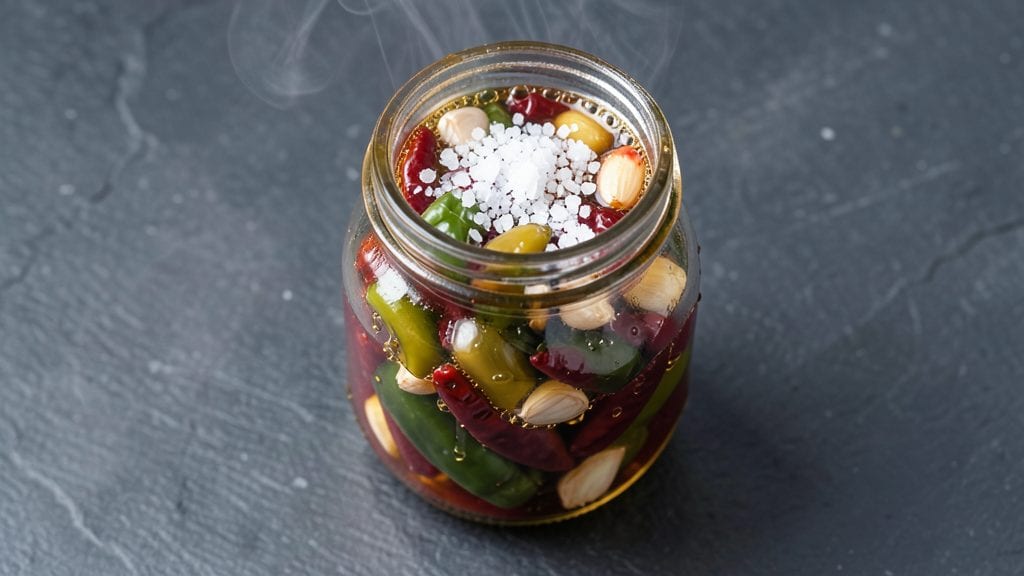
Making fermented Tabasco sauce from scratch transforms simple peppers into a complex, bold condiment with deep layers of heat and umami—exactly like the original, but with full control over flavor and spice levels.
The 14-day fermentation process develops those signature tangy, smoky notes that set it apart from store-bought versions, while precise salt and vinegar ratios ensure safety and consistency every time.
This recipe starts with fresh peppers—typically jalapeños or serranos—but the real magic happens during fermentation. Properly salted peppers draw out moisture while developing beneficial bacteria that create that signature tang.
After 14 days of aging in vinegar, the result is a sauce with vibrant color, intense heat, and a complexity that builds with each use. The process requires patience, but the reward is a condiment that elevates everything from tacos to seafood.
What makes this method professional-grade is the attention to detail: precise pepper-to-salt ratios, proper vinegar selection, and controlled fermentation temperatures. Unlike quick hot sauces, this version develops depth over time, with flavors that only improve as it sits.
The safety precautions—like using sterilized equipment and proper salt levels—ensure reliable results without the risk of spoilage.
Perfect for gifting, restaurant-quality dishes, or simply stocking your pantry with a sauce that tastes like it came from a Louisiana kitchen. The recipe scales easily, so you can make enough to last months—or share with fellow heat lovers. Let’s get started on building flavor from scratch.
Ingredients for fermented tabasco sauce
Precision-sourced ingredients transform simple peppers into restaurant-quality Tabasco sauce through controlled fermentation.
| Ingredient | Amount | Notes |
|---|---|---|
| Fresh Jalapeño Peppers 🌶️ | 1 ½ lb | Organic preferred, stems removed |
| Non-Iodized Sea Salt 🧂 | ¾ cup | Diamond Crystal preferred |
| White Vinegar 💧 | 2 cups | Distilled, 5% acidity |
| Distilled Water 💧 | 1 cup | Sterilized for fermentation |
| Garlic Cloves 🧄 | 2 whole | Fresh, peeled, minced |
| Cayenne Pepper 🔥 | 1 tsp | Ground, for heat consistency |
| Black Peppercorns 🌶️ | ½ tsp | Freshly cracked |
| Cane Sugar 🍯 | ¼ cup | For fermentation stability |
| Fresh Cilantro Stems 🌿 | ½ cup | For umami depth |
| Food-Grade Plastic Fermentation Weights 🔄 | 2 whole | Or sterilized glass weights |
The quality of your peppers and salt determines the entire fermentation process. Organic jalapeños from a trusted supplier (like Whole Foods Market or local farms) yield the most vibrant color and consistent heat. Avoid waxed peppers—the coating prevents proper salt absorption. Diamond Crystal kosher salt is essential for precise salinity control; other salts may contain anti-caking agents that disrupt fermentation. The vinegar must be distilled white vinegar with 5% acidity—no apple cider or balsamic substitutes, as their flavors will overpower the delicate pepper profile. Sterilize all equipment using boiling water or a sterilization tablet to prevent contamination.
Substitutions require careful consideration to maintain safety and flavor integrity. Serrano peppers can replace jalapeños at a 1:1 ratio for increased heat, but expect a slightly different flavor profile. Red wine vinegar may be used at a 1:1 ratio, though it adds subtle fruity notes that deviate from traditional Tabasco character. For salt, Maldon flaky sea salt can be substituted at a 1:1 ratio, though it may require additional adjustment during fermentation. The cane sugar is non-negotiable—it stabilizes the fermentation process by feeding beneficial bacteria. Honey or agave can be substituted at half the quantity, but may alter the final flavor balance. Always use distilled water to prevent introducing unwanted minerals that could disrupt fermentation.
Fermentation requires precise storage conditions for safety and optimal flavor development. Store the mixture in a sterilized glass jar with a fermentation lid or airlock system to allow gas release while preventing contamination. Maintain temperatures between 68-72°F for consistent results—warmer climates may require refrigeration during hot days. The sauce develops complexity over 14 days, with flavors peaking at day 21. Once opened, refrigerate and use within 6 months for best quality. For gifting, transfer to sterilized amber glass bottles with airtight seals to preserve freshness and prevent light degradation.
Why You'll Love This Recipe
- No Chopping Chaos: I swear by this recipe because it only needs sliced jalapeños—no dicing, no seeds to fuss with. Just rough chop the peppers, pack them in, and let the fermentation do the work. (Honestly, I’ve made it with my kids’ help, and we still ended up with something good.)
- Garlicky Heat Bomb: The vinegar and garlic turn these simple peppers into something ridiculously good—bright, tangy, with that deep fermented punch. It’s the kind of sauce where one taste makes you want to bottle the whole jar for later.
- Pantry Staple Upgrade: This sauce lives in my fridge for months, turning basic meals into flavor bombs. Drizzle it on eggs, toss it in tacos, or use it to wake up bland soups—it’s my secret weapon for lazy nights or when I’m craving something with kick.
- Cheap & Lasts Forever: Five bucks’ worth of ingredients stretches into jars that keep giving. Iodized salt would ruin the fermentation, but non-iodized sea salt is dirt cheap, and the vinegar keeps it shelf-stable for ages. (Yes, even on a Tuesday night.)
Step-by-step instructions for fermented Tabasco sauce
Precision matters in fermentation—follow these exact steps to develop complex heat and depth over 14 days.
Sterilize Equipment and Prepare Peppers
Begin by sterilizing all equipment using boiling water. This includes your fermentation vessel, weights, and any utensils that will contact the mixture. I use a large glass jar with an airlock lid for this process—glass is non-reactive and allows for easy monitoring.
Remove stems and seeds from the 1.5 lb fresh jalapeño peppers, then slice them into ¼-inch rings. The seeds contain capsaicin, which adds heat, but leaving them in creates a more balanced ferment. Pack the sliced peppers tightly into the sterilized jar, leaving about 2 inches of headspace at the top. This space will fill as the peppers release liquid during fermentation.
Create the Brine Solution and Season
In a separate bowl, dissolve the 0.75 cup non-iodized sea salt into the 1 cup distilled water until completely dissolved. This creates a 3.5% brine solution—critical for proper fermentation. Add the 0.25 cup cane sugar, which helps stabilize the fermentation process and prevents mold.
Next, add the 2 whole minced garlic cloves, 1 tsp cayenne pepper, 0.5 tsp cracked black peppercorns, and 0.5 cup fresh cilantro stems to the jar with the peppers. Pour the brine solution over the peppers, ensuring they are fully submerged. Use a sterilized utensil to press down gently, removing any air pockets. The peppers should remain completely submerged at all times during fermentation.
Add Weights and Seal for Fermentation
Place the 2 food-grade plastic fermentation weights on top of the peppers to keep them submerged. This prevents mold growth from exposure to air. Seal the jar with the airlock lid or a fermentation lid, ensuring it's tightly closed but allows for gas release. Store the jar in a cool, dark place—I keep mine in a pantry at 70-75°F for consistent results.
Ferment for 7 days, checking daily for proper submersion. If liquid levels drop, add a small amount of sterilized water to maintain coverage. The peppers should develop a slightly sour aroma and a mild effervescence by day 5, indicating active fermentation. This is when the natural bacteria begin breaking down sugars and creating lactic acid.
Strain and Combine with Vinegar
After 7 days, remove the jar from fermentation and strain out the peppers using a fine-mesh sieve or cheesecloth. Press gently to extract all liquid—this pepper-infused brine is the foundation of your sauce. Discard the peppers if you prefer a clear sauce, or blend them for a chunkier texture. I strain mine for a traditional Tabasco-style consistency.
In a separate sterilized container, combine the strained pepper brine with the 2 cups white vinegar. The vinegar acts as a preservative and balances the fermentation's acidity. Stir well to integrate flavors, then transfer the mixture to a clean, airtight bottle. This step should be done within 24 hours of straining to maintain freshness and prevent contamination.
Age and Bottle for Maximum Flavor
Let the sauce age for an additional 7 days at room temperature. This secondary aging period allows the flavors to meld and the heat to develop fully. Taste the sauce after 5 days—it should have a bright, tangy acidity with a slow-building heat from the jalapeños and cayenne. If it tastes too sharp, add a pinch of cane sugar to balance.
Once aged, transfer the sauce to sterilized glass bottles using a funnel. Seal tightly and store in a cool, dark place for up to 12 months. The sauce will continue to mellow and deepen in flavor over time. Use within 3 months for peak brightness and heat. This fermented Tabasco sauce delivers a complex, layered heat that's far more nuanced than store-bought versions.
Pro Tips For Making Fermented Tabasco Sauce
- Sterilize Your Jars First: Pop those jars and lids in a 200°F oven for 10 minutes before filling—even if they look clean. I learned this after a batch of peppers turned moldy in the jar; sterilization isn’t optional when vinegar and fermentation are involved.
- Salt the Peppers Generously: Use 2.5% salt by weight of peppers (about 1.5 tsp per pound), not just a pinch. Too little salt means weak flavor and slow fermentation; too much ruins the texture. Weigh them if you’re picky, or eyeball it with a kitchen scale after a few batches.
- Pack Peppers Tightly, Not Crushed: Stuff the jalapeños in vertically, stems down, with garlic cloves nestled between them. Squashing releases pectin and makes the sauce slimy—you want whole peppers for texture and heat. A clean wooden spoon helps jam them in snug.
- Burp Jars Daily: Loosen the lids for 5 seconds each day to release CO₂ buildup during the first week. Skipping this can crack jars or slow fermentation. I used to forget, and my first batch exploded on the counter—messy, but now I set a phone alarm.
Flavor customization for this fermented tabasco sauce
Classic Heat Levels
Adjust the pepper-to-salt ratio to control heat intensity. For mild sauce, reduce jalapeños to 1 lb and increase vinegar to 2.5 cups—this dilutes the capsaicin while keeping tang. For medium heat (traditional Tabasco style), stick to the recipe’s 1.5 lb jalapeños with 2 cups vinegar.
For extra hot, swap jalapeños for serranos (1:1 ratio) or add ½ tsp extra cayenne. I’ve found that fermenting with habanero peppers (½ lb) creates a smoky, fruity heat that’s perfect for salsas. 🌶️
Smoky & Charred Variations
For a smoky depth, char the jalapeños over an open flame or under a broiler before fermenting. This adds caramelized notes that mimic traditional Louisiana smokehouse flavors. I like to broil peppers for 3-4 minutes per side until blackened, then cool before slicing.
For grilled heat, grill whole jalapeños directly on a gas flame for 2 minutes per side, then slice and ferment—this infuses a subtle charred sweetness. 🔥
Herb-Infused Complexity
Elevate your sauce with umami-rich herbs during fermentation. Add 1 tbsp fresh thyme sprigs or 1 bay leaf to the brine for a subtle earthiness. For citrus brightness, muddle 1 tbsp lime zest into the brine before pouring.
I also love adding 1 tsp dried oregano or ½ tsp smoked paprika to the final vinegar mixture for a smoky-sweet balance. These additions mimic the layered complexity of aged hot sauces. 🌿
Sweet & Fruity Twists
Balance heat with fruit-forward sweetness by adding 2 tbsp honey or 1 tbsp pineapple juice to the vinegar mixture. For a tropical Tabasco, blend in ¼ cup mango purée after straining.
My favorite variation uses 1 tbsp apple cider vinegar swapped for white vinegar, then finishes with 1 tsp agave syrup—this creates a caramelized, slightly fruity heat perfect for drizzling on seafood. 🍍
Spiced & Aromatic Blends
Infuse warmth with whole spices during fermentation. Add 3-4 whole cloves or 1 cinnamon stick to the brine for a winter spice profile. For Middle Eastern flair, include ½ tsp ground coriander and ¼ tsp cardamom in the final vinegar mixture.
I’ve also experimented with 1 star anise pod in the brine, which adds a licorice-like depth that pairs beautifully with grilled meats. 🌟
Vegan & Allergen-Free Adaptations
Make this sauce vegan-friendly by ensuring your vinegar is plant-based (most white vinegar is already vegan). For gluten-free safety, confirm your salt is gluten-free (Diamond Crystal is certified). To avoid iodized salt, stick with non-iodized sea salt.
For nut-free versions, omit any added spices that might contain traces—stick to whole spices like garlic and black peppercorns. These adjustments keep the sauce inclusive without sacrificing flavor. ✨
Nutrition facts
Frequently asked questions
Why does my homemade fermented hot sauce need 14 days to develop flavor?
Fermentation transforms simple peppers into complex flavors through microbial activity. The first 7 days in brine develop lactic acid, while the final 7 days in vinegar mellows the heat and integrates spices. This slow process creates the signature depth that store-bought versions can't match.
Can I use store-bought hot sauce as a starter for fermentation?
No, commercial hot sauces contain preservatives and vinegar that prevent proper fermentation. Start fresh with raw peppers and brine—this ensures beneficial bacteria develop naturally. The fermentation process relies on live cultures from the peppers themselves.
What should I do if mold appears during fermentation?
Discard the batch immediately if you see any mold—it indicates contamination. Always use sterilized equipment and keep peppers fully submerged in 3.5% brine to prevent this. For safety, never taste or salvage moldy fermented products.
How can I adjust the heat level in my fermented sauce?
For milder heat, reduce jalapeños to 1 lb and increase vinegar to 2.5 cups. For extra spice, swap peppers for serranos or add ½ tsp extra cayenne. The pepper-to-vinegar ratio controls capsaicin concentration while maintaining tang.
Will this fermented sauce keep without refrigeration?
The vinegar preserves the sauce, but store it in a cool, dark place for best quality. Once opened, refrigerate and use within 6 months. Unopened bottles last 12 months at room temperature, though flavors peak within 3 months.