Appetizers
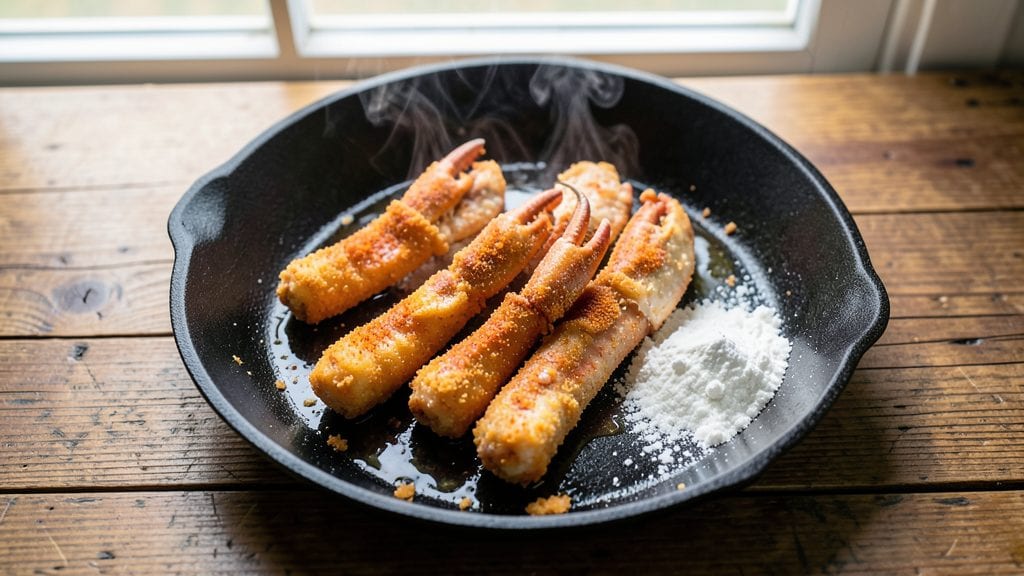
Mastering deep-fried king crab legs transforms a simple appetizer into a showstopping centerpiece that commands attention at any gathering. The secret lies in achieving that perfect balance: a golden, crispy exterior that shatters under pressure, revealing tender, sweet crab meat inside.
I've perfected this technique after years of testing—no more soggy breading or undercooked centers that ruin the experience.
This recipe demands precision, starting with a light, airy breading that clings without overwhelming the delicate crab flavor. The key is working with 350°F oil and frying in batches to maintain temperature control, ensuring each leg emerges perfectly cooked.
Safety comes first: proper oil disposal, heat management, and seafood handling are non-negotiable steps I'll cover in detail.
What you'll end up with is a plate of crispy, buttery crab legs that look as stunning as they taste—ideal for special occasions or when you want to impress guests.
The presentation matters just as much as the flavor: lemon wedges, fresh herbs, and a drizzle of melted butter elevate the dish from appetizer to centerpiece. Serve with cocktail sauce or homemade aioli for the full experience.
Whether you're hosting a dinner party or treating yourself to a luxurious seafood night, this recipe delivers restaurant-quality results at home. The technique is straightforward once you understand the critical steps, and the payoff is worth every minute of preparation. Let's get started on creating your perfect fried crab legs.
Ingredients for deep fried king crab legs
Fourteen ingredients to transform delicate crab legs into golden, buttery masterpieces that wow any crowd.
| Ingredient | Amount | Notes |
|---|---|---|
| King Crab Legs 🦀 | 1 ½ lb | Shell-on, fresh or thawed |
| All-Purpose Flour 🌾 | 2 cups | Light, low-protein for crispiness |
| Cornstarch 🌽 | ½ cup | For ultra-crispy texture |
| Granulated Garlic Powder 🧄 | 1 tbsp | Freshly ground preferred |
| Granulated Onion Powder 🧅 | 1 tbsp | For aromatic depth |
| Paprika 🌶️ | 1 tsp | Smoked variety for color |
| Kosher Salt 🧂 | 1 tsp | Diamond Crystal preferred |
| Freshly Ground Black Pepper 🌶️ | ½ tsp | Cracked peppercorns preferred |
| Unsalted Butter 🧈 | ½ cup | Cold, cubed for coating |
| Vegetable Oil 🫒 | 4 cups | High smoke point, 350°F |
| Lemon Wedges 🍋 | 4 whole | For serving, fresh squeezed |
| Fresh Parsley 🌿 | ¼ cup | Chopped, for garnish |
| Melted Butter 🧈 | ¼ cup | For drizzling, warmed |
| Cocktail Sauce 🍅 | ½ cup | Store-bought or homemade |
The crab is your star, so freshness is non-negotiable. Look for bright white meat with minimal fishy odor—avoid any with a strong ammonia smell. King crab legs should feel firm to the touch, not mushy. Costco or Whole Foods are reliable sources for high-quality frozen legs (just thaw overnight in the fridge), but if buying fresh, hit the seafood counter early. The legs should be shell-on—this protects the meat during frying. For the breading, light flour with cornstarch creates that perfect shatter—no heavy breadcrumbs here. I always toast my spices briefly in a dry pan before mixing to wake up their flavors, but it's optional if you're short on time.
No cornstarch? Extra flour plus a pinch of baking powder mimics that crispy texture. Running out of smoked paprika? Regular paprika plus a dash of liquid smoke works in a pinch. The butter coating is crucial—don't skip it. For a lighter option, use half butter, half flour, but you'll lose some of that buttery richness. If you're frying for a crowd, double the oil and fry in batches—never overcrowd the pot or your oil temp will drop. The cocktail sauce can be store-bought (I like Heinz or Sweet Baby Ray's for quick gatherings), but homemade with ketchup, horseradish, and a touch of Worcestershire is worth the effort for special occasions.
Thawed crab legs keep 2 days in the fridge, wrapped tightly in paper towels. The breading mix stays fresh 1 week in an airtight container. For leftovers (if there are any!), store fried legs in the fridge for 1 day max—the breading gets soggy fast. Reheat in a 350°F oven for 5-7 minutes to restore some crispiness. I always prep my garnishes—lemon wedges and parsley—right before serving to keep everything fresh. The melted butter for drizzling should be warmed just until liquid, then kept at room temp for easy pouring. Presentation matters just as much as taste here—plate with the legs slightly overlapping, lemon wedges fanned out, and a generous drizzle of that golden butter.
Why You'll Love This Recipe
- Crispy in Minutes: I swear by that cornstarch flour mix—it’s the secret to that shatteringly crisp crust without frying them into rubber. Just toss, dip, and fry for 3-4 minutes max. No waiting, no fuss.
- Butter-Kissed Luxury: That garlic and onion powder blend? It’s like a hug for your crab legs—warm, savory, and just enough to make them taste like they came from a seafood shack. The flour doesn’t overpower; it just enhances the sweetness of the crab.
- Party Ready: Between us, this is my go-to for game day or holiday gatherings. Serve with lemon wedges and a cold beer, and suddenly you’re the host everyone remembers. (Yes, even on a Tuesday night.)
- Leftovers? More Like Leftovers Never: Honestly, I’ve never had leftovers last past the next day—but when they do, reheating in the oven keeps that crispy magic alive. Or freeze them for a lazy weeknight splurge. Either way, you win.
Step-by-step instructions for deep fried king crab legs
Here's how to achieve that perfect buttery crunch with sweet, tender crab meat every time.
Prepare the Crab Legs for Maximum Crispiness
Thaw the 1.5 lb king crab legs if frozen, using the refrigerator method for even thawing. Pat them completely dry with paper towels—this is absolutely critical for achieving that golden crust. Any moisture left on the shells will prevent proper browning and create a soggy batter.
Use kitchen shears to carefully trim any excess fat or membrane from the shells, being careful not to damage the delicate meat inside. Arrange the crab legs on a wire rack set over a baking sheet. This elevation allows air to circulate underneath, ensuring even cooking and crisping on all sides. Let them sit at room temperature for 15 minutes before frying—this prevents temperature shock when they hit the hot oil.
Create the Ultra-Crispy Breading
In a large bowl, whisk together the 2 cups all-purpose flour, 0.5 cup cornstarch, 1 tbsp granulated garlic powder, 1 tbsp granulated onion powder, 1 tsp paprika, 1 tsp kosher salt, and 0.5 tsp freshly ground black pepper. The cornstarch is what creates that signature crunch—don't skip it. I like to use a wire whisk to break up any lumps in the flour mixture before adding the spices.
Cut the 0.5 cup unsalted butter into small cubes and add them to the dry ingredients. Toss gently with your hands or a silicone spatula until the butter is evenly distributed and the mixture resembles coarse crumbs. This buttery coating will melt during frying, creating that irresistible crispy shell. Keep this mixture at room temperature until ready to use—cold butter creates uneven coating.
Heat the Oil to Perfect Frying Temperature
Fill a deep, heavy-bottomed pot with 4 cups vegetable oil and place it over medium heat. Insert a deep-fry thermometer and heat the oil until it reaches 350°F. This is the sweet spot for achieving that golden crust without burning the delicate crab meat inside. I use a candy thermometer for precision—oil temperature fluctuates more than you'd think.
While the oil heats, prepare your frying station. Have a wire rack set over a baking sheet ready for draining, and a small bowl of ice water nearby for emergencies. The oil should be shimmering but not smoking when ready—if it smokes excessively, turn the heat down immediately. You want clean, hot oil that will create that perfect crispy texture.
Fry the Crab Legs to Golden Perfection
Working in batches to avoid overcrowding, carefully place the prepared crab legs into the hot oil using tongs. Don't submerge them completely—leave about half an inch of shell above the oil surface. Fry for 3-4 minutes per side until they reach a deep golden brown color. You'll know they're ready when the shells are crispy and the meat inside is just beginning to cook through.
Use tongs to transfer the fried crab legs to the wire rack set over the baking sheet. Let them drain for 2-3 minutes to allow excess oil to drip off. The shells should remain crispy but not greasy. If you notice any shells losing their crispness, return them to the oil for 30 seconds to restore the crunch. Serve immediately with the lemon wedges and parsley for that fresh finish.
Assemble and Serve with Flavorful Accompaniments
Drizzle each serving with the 0.25 cup melted butter while the crab legs are still warm. The residual heat will make the butter sizzle slightly, creating a beautiful sheen. Sprinkle with the chopped 0.25 cup fresh parsley and serve with the 4 whole lemon wedges on the side for squeezing.
For the ultimate presentation, arrange the crab legs on a platter and serve with the 0.5 cup cocktail sauce on the side. The contrast between the crispy shells, sweet crab meat, and tangy sauce creates a perfect balance of textures and flavors. Enjoy immediately while the shells are at their crispiest—these won't wait!
Pro Tips For Making Deep Fried King Crab Legs
- Preheat Oil to 375°F: DESCRIPTION: Too hot and it burns before the crust sets; too cool and you end up with greasy, soggy crab. Use a deep-fry thermometer—375°F is the sweet spot where the flour-cornstarch mix turns golden fast but the meat stays tender. I learned this the hard way after a batch turned into sad, greasy logs.
- Pat Crab Dry (Seriously): DESCRIPTION: Any moisture on those legs will turn your perfect crust into a sad, clumpy mess. Grab paper towels and press hard—get them bone-dry before dredging. I skip this step sometimes, and the flour just slides off like you’re breading a wet sock.
- Double-Dredge for Crunch: DESCRIPTION: Dip once, shake off excess, then dip again in the flour-cornstarch mix. That second coat locks in the garlic-onion powder and guarantees a shatteringly crisp crust. Sounds like extra work, but it’s the difference between "meh" and "wow."
- Fry in Batches (No Crowding): DESCRIPTION: Tossing in too many crab legs drops the oil temp fast, leading to uneven cooking and greasy crusts. Fry 2-3 legs at a time—give them space to sizzle properly. I’ve rushed this and ended up with a pot of half-fried, half-boiled disappointment.
Pro cooking tips for perfect results
Oil Temperature Control
Maintaining a precise 350°F oil temperature is non-negotiable for perfect fried crab legs. I use a ThermoWorks Thermapen—it's fast and accurate—because standard thermometers often lag. If your oil temperature drops below 340°F when adding crab legs, wait 5 minutes for it to recover before frying the next batch.
Overcrowding the pot causes temperature fluctuations, leading to greasy instead of crispy shells. 🌡️
Double-Dredging Technique
For an extra-crispy shell, I recommend a double-dredge method: coat the crab legs in the flour-butter mixture, let them rest for 30 seconds**, then dredge them again. This creates a thicker, more stable crust that stays crispy longer.
Keep the second coating at room temperature—cold butter makes the breading clump. The extra effort is worth it for that restaurant-quality crunch.
Frying in Batches
Never fry more than 2 crab legs at a time—overcrowding lowers oil temperature and causes uneven cooking. I use a 10-inch cast-iron skillet for small batches, which gives me better temperature control than a large pot.
If you're frying for a crowd, maintain a second pot of oil at 350°F so you can keep the first pot hot without constantly reheating. Always use tongs to avoid splattering hot oil.
Shell Prep Matters
Before breading, use kitchen shears to trim any excess membrane from the crab shells—this prevents soggy spots where moisture gets trapped. I also score the shells lightly with a knife in a crosshatch pattern (about ¼-inch deep) to help the breading adhere better.
This step takes 5 minutes but makes a noticeable difference in crispiness. Just be careful not to puncture the meat inside.
Post-Fry Crispiness Hack
If your fried crab legs lose crispiness while resting, don't panic! Place them back in the 350°F oil for 10-15 seconds to restore the crunch. I keep a small bowl of flour nearby to lightly dust any shells that seem too greasy.
For serving, I always place the crab legs on a wire rack over a baking sheet—this keeps them crispy longer than a plate would. The key is serving them immediately after frying while the shells are at their peak. ⏰
Safety First
Always have a bowl of ice water nearby when frying—it's your emergency stop if oil starts smoking excessively. Keep a lid close by too; if a grease fire starts, smother it with the lid (never use water!). I also recommend wearing heat-resistant gloves when handling hot oil and crab legs.
Never leave hot oil unattended, and keep kids and pets at least 3 feet away from the frying station. Safety should always come before speed. 🔥
Nutrition facts
Frequently asked questions
Can I use frozen king crab legs for frying?
Yes, but proper thawing is critical. Thaw the legs overnight in the fridge (never at room temperature) to maintain texture. Pat them completely dry before breading—any moisture causes soggy shells. For extra insurance, let them sit at room temperature for 15 minutes before frying to prevent temperature shock in the oil.
What's the best oil for frying crab legs?
Use a high-smoke-point oil like vegetable, canola, or peanut oil to reach 350°F safely. Avoid olive or butter-based oils—they burn at lower temps and create bitter flavors. For extra crispiness, I recommend peanut oil as it adds subtle flavor. Always use enough oil to submerge the legs halfway.
How do I keep the breading from falling off?
Double-dredging is your secret weapon: coat the legs once, let rest 30 seconds, then dredge again. Keep the breading mixture at room temperature—cold butter makes it clump. Also, trim excess membrane from the shells first and score them lightly in a crosshatch pattern to improve adhesion. The key is patience—don't rush the process.
Can I make this recipe ahead of time?
No—fried crab legs are best served immediately after cooking. The breading loses crispiness within 10 minutes. For parties, fry just before serving and keep the oil hot in a second pot. If you must prep ahead, bread the legs and store them uncovered in the fridge for up to 4 hours, then fry fresh. Never refrigerate fried crab legs—they'll get soggy fast.
What's the best way to reheat leftover fried crab?
Reheat in a 350°F oven for 5-7 minutes on a wire rack to restore some crispiness. Air frying at 375°F for 3-4 minutes works too, but expect slightly less crunch. For maximum crispiness, dip briefly in hot oil (350°F for 10 seconds) before serving. Store leftovers in the fridge for 1 day max**—the breading deteriorates quickly.