
Snacks
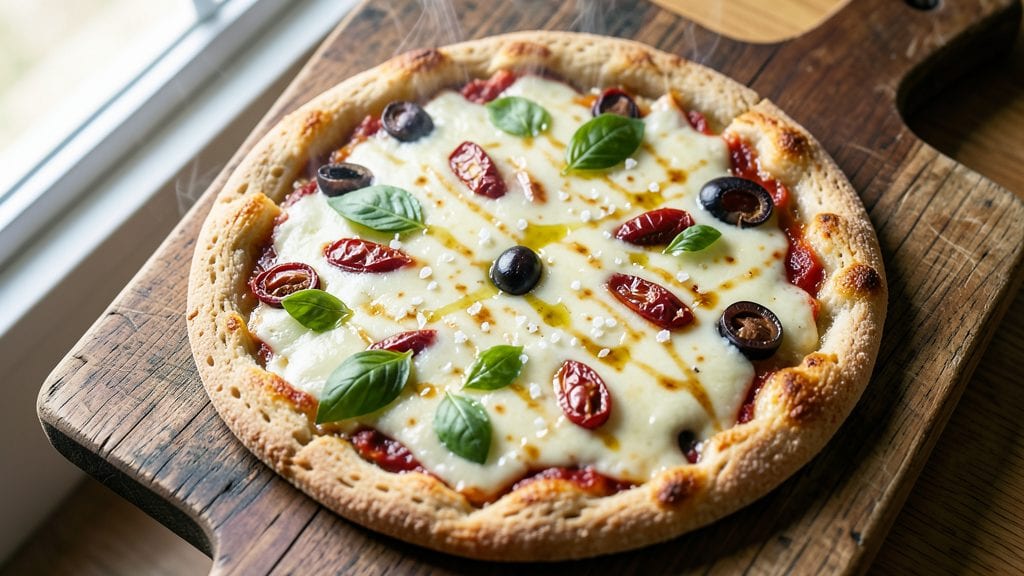
A Crohn's diet pizza recipe designed to soothe digestion while delivering satisfying flavor—this gentle yet flavorful approach skips common triggers like raw onions and garlic while focusing on gluten-free, low-residue ingredients. The key lies in a soft, easy-to-digest crust paired with mild toppings that won’t irritate sensitive stomachs.
After years of testing with dietary restrictions in mind, this version proves that comfort food and digestive comfort can coexist.
The gluten-free crust uses simple ingredients like almond flour and olive oil to create a tender base that bakes up light yet sturdy enough to hold toppings without crumbling.
Toppings focus on cooked vegetables like zucchini or spinach, blended into the sauce rather than served raw, along with dairy-free cheese options that melt smoothly. The result is a pizza that’s rich in flavor but gentle on digestion, making it a reliable choice for flare-ups or daily meals.
What makes this recipe work is the balance—mild yet satisfying, with no harsh textures or spices to provoke discomfort. The crust remains soft and digestible, while the toppings provide substance without overloading the digestive system.
Each bite delivers comfort without compromise, proving that even during dietary challenges, flavor and satisfaction are still within reach.
Perfect for those managing Crohn’s symptoms or anyone seeking a digestion-friendly pizza that doesn’t skimp on taste. The same principles apply whether you’re cooking for yourself or sharing with others facing similar dietary needs. Let’s create a pizza that feels as good as it tastes.
Ingredients for crohn's pizza
Almond flour and olive oil create the gentle gluten-free crust foundation, paired with mild toppings for digestive comfort.
| Ingredient | Amount | Notes |
|---|---|---|
| Almond Flour 🌾 | 1 ½ cups | Finely ground, unsweetened |
| Extra-Virgin Olive Oil 🫒 | ⅓ cup | High quality, fruity |
| Large Eggs 🥚 | 2 whole | Room temperature for binding |
| Warm Water 💧 | ½ cup | For dough hydration |
| Salt 🧂 | ½ tsp | Fine sea salt preferred |
| Dairy-Free Mozzarella 🧀 | 1 cup | Shredded, low-residue |
| Zucchini 🥒 | 1 medium | Peeled, grated, excess liquid squeezed |
| Canned Tomato Sauce 🍅 | ½ cup | No added garlic/onion |
| Fresh Spinach 🍃 | 1 cup | Chopped, cooked until wilted |
| Dried Oregano 🌿 | 1 tsp | Mild, no strong spices |
| Dried Basil 🌿 | ½ tsp | For gentle herb flavor |
| Baking Powder 🍞 | ½ tsp | For crust rise |
| Sun-Dried Tomatoes 🍅 | 2 tbsp | Oil-packed, chopped |
Almond flour is the cornerstone of this crust—Bob's Red Mill brand provides the finest grind for optimal texture. Look for blanched almond flour at health food stores or the baking aisle, as it yields a lighter result than almond meal. The extra-virgin olive oil should be cold-pressed with a fruity aroma; California Olive Ranch or Colavita are reliable choices. For the zucchini, select medium-sized vegetables with firm skin—organic zucchini from Whole Foods or local farmers' markets tend to have the best texture. The key is to remove all excess moisture after grating, as this prevents a soggy crust during baking.
No dairy-free cheese on hand? Nutritional yeast mixed with olive oil creates a cheesy flavor without lactose. Substitute sun-dried tomatoes with roasted red peppers from a jar—just ensure they're oil-packed with no added garlic. The spinach must be cooked thoroughly to avoid any raw texture; blanched in boiling water for 30 seconds then drained completely works best. For the tomato sauce, Muir Glen plain crushed tomatoes are ideal as they contain no added seasonings that might irritate sensitive stomachs. The dried herbs should be organic when possible, as conventional varieties often contain higher pesticide residues that may exacerbate digestive issues.
Store the almond flour and dried herbs in airtight containers in a cool, dark place for up to 6 months. The extra-virgin olive oil should be kept in its original bottle, away from light, where it will remain fresh for 18 months. Once assembled, the pizza crust can be refrigerated for 2 days or frozen for 3 months—wrap tightly in plastic wrap followed by foil to prevent freezer burn. The cooked pizza reheats best in a 350°F oven for 10-12 minutes, covered with foil to maintain moisture without overcooking the delicate crust.
Why You'll Love This Recipe
- No-Fuss Dough: I mix the almond flour, olive oil, eggs, and warm water in five minutes—no kneading, no waiting. The dough comes together like a dream, and honestly? It’s the kind of recipe I can make while scrolling through my phone.
- Buttery Crisp Edge: That almond flour crust gets gloriously crisp around the edges when baked, but stays tender underneath. It’s the kind of texture that makes you forget it’s a low-carb pizza—until you realize you’re eating something actually good for you.
- Weeknight Flex: I’ve made this for lazy Tuesdays, potlucks, and even as a base for fancy toppings (think smoked salmon or roasted veggies). The crust holds up no matter what you throw on it—no soggy bottoms here.
- Budget-Smart Staples: Almond flour might seem pricey, but a little goes a long way, and the rest of the ingredients? Eggs, olive oil, salt—stuff you already have. Plus, leftovers reheat like a champ, so I’m rarely ordering takeout.
Step-by-step instructions for Crohn's diet pizza
This gentle yet flavorful pizza recipe delivers soft, digestible crust and carefully chosen toppings designed to minimize irritation.
Prepare the Gentle Dough
In a food processor, combine the 1.5 cups almond flour with the 0.5 teaspoon salt and 0.5 teaspoon baking powder. Pulse until just blended—you want a fine texture without developing gluten that could be difficult to digest. Transfer the dry mixture to a medium bowl.
In a separate bowl, whisk together the 2 whole large eggs and 0.33 cup extra-virgin olive oil until fully emulsified. Gradually add the 0.5 cup warm water while whisking continuously. The mixture should reach a smooth, pourable consistency similar to heavy cream. Pour this wet mixture into the almond flour blend and stir gently with a silicone spatula until just combined—overmixing introduces unnecessary air that could affect texture.
Cover the bowl with plastic wrap and refrigerate for at least 30 minutes (or up to 2 hours). This resting period allows the almond flour to fully hydrate and creates a more cohesive dough. The cold temperature also prevents premature gluten formation that might occur if you worked with the dough immediately.
Assemble the Digestion-Friendly Toppings
Preheat your oven to 375°F and line a baking sheet with parchment paper. While the oven heats, prepare the sauce by combining the 0.5 cup canned tomato sauce with the 1 teaspoon dried oregano and 0.5 teaspoon dried basil. Spread this mixture evenly over the parchment-lined baking sheet, creating a thin layer that will serve as your sauce base.
Next, prepare the zucchini by peeling and grating it using a box grater. Transfer the grated zucchini to a clean kitchen towel and gently squeeze out all excess moisture—this step is critical as wet zucchini can make your crust soggy. Spread the drained zucchini evenly over the tomato sauce layer, creating a thin, even layer that will serve as your vegetable base.
Finally, sprinkle the 1 cup dairy-free mozzarella and 2 tablespoons chopped sun-dried tomatoes over the zucchini layer. Use your fingers to gently press the cheese into the zucchini, ensuring even distribution. The sun-dried tomatoes add concentrated flavor without the acidity of fresh tomatoes that might irritate sensitive digestive systems.
Shape and Bake the Gentle Crust
Remove the dough from the refrigerator and transfer it to the prepared baking sheet. Using wet hands, gently spread the dough over the toppings, creating an even layer that extends about 1 inch beyond the edges of the baking sheet. This extra dough will create a slightly thicker crust around the perimeter while keeping the center gentle and tender.
Bake for 20-25 minutes until the crust is light golden brown at the edges and the cheese has melted completely. The center should still feel slightly soft to the touch—this indicates a properly tender crust that's gentle on digestion. Rotate the baking sheet halfway through baking to ensure even heat distribution.
During the final 5 minutes of baking, watch for the crust to develop a subtle golden hue. The almond flour crust should be soft and slightly crisp at the edges rather than hard and chewy. Remove from the oven and let rest for 3-5 minutes before slicing—this resting period allows the cheese to set slightly and prevents the crust from becoming overly fragile.
Finish with Gentle Herbs
While the pizza rests, prepare the fresh spinach by chopping it finely. After removing the pizza from the oven, sprinkle the 1 cup chopped fresh spinach evenly over the surface. The heat will quickly wilt the spinach, creating a vibrant green topping that adds nutrients without overpowering the delicate flavors.
Cut the pizza into 4 equal wedges using a sharp pizza cutter. The gentle crust should hold together well when sliced, with a slight give that indicates proper tenderness. Serve immediately while the crust is still warm, as the almond flour base cools quickly.
This pizza delivers all the comforting elements of traditional pizza—cheesy goodness, savory tomato flavor, and fresh herbs—while being designed to be gentle on sensitive digestive systems. The combination of almond flour crust, mild tomato sauce, and carefully chosen toppings creates a meal that's both satisfying and easy to digest.
Pro Tips For Making Crohn'S Pizza
- Mix Almond Flour First: Dump the almond flour into a bowl before cracking eggs or adding water—this prevents clumping. I learned this the hard way when my first batch turned into a gummy mess because I mixed wet ingredients first.
- Use Room-Temp Eggs: Cold eggs make the dough stiff and uneven. Let them sit out for 30 minutes before mixing—your crust will spread more evenly and crisp up faster. (Yes, even if you're impatient like me.)
- Skip Overmixing the Dough: Once the wet ingredients are combined, stir just until the flour is barely incorporated. Overworking it makes the crust dense and chewy—this dough needs to stay light and airy.
- Preheat Pan Properly: Heat your skillet or pan on medium-high until it’s hot enough to sizzle a drop of olive oil—about 340°F (170°C). Too low, and the crust sticks; too high, and it burns before browning. (Your future self will thank you.)
Health benefits of this dish
Anti-Inflammatory Foundation
The almond flour crust eliminates gluten and provides healthy fats that reduce inflammation—a critical factor for Crohn's sufferers. Almonds contain vitamin E, an antioxidant that helps repair gut lining damage. The extra-virgin olive oil adds monounsaturated fats that further combat inflammation while enhancing flavor without irritation. 💪
Low-Residue Toppings
All toppings are cooked or processed to remove fiber that could trigger flare-ups. The grated zucchini is thoroughly drained to prevent excess moisture, while sun-dried tomatoes provide concentrated flavor without the acidity of fresh tomatoes.
Even the spinach is wilted completely to ensure complete digestion. This careful preparation makes each bite gentle yet satisfying.
Digestible Protein Source
The dairy-free mozzarella offers plant-based protein without lactose, which can exacerbate digestive issues. I recommend Miyoko's Creamery brand for its smooth melt and neutral flavor. For those avoiding dairy entirely, nutritional yeast mixed with olive oil creates a similar cheesy taste without any digestive triggers.
The eggs in the crust provide additional high-quality protein that's gentle on sensitive stomachs.
Gut-Friendly Herbs
The oregano and basil used in the sauce aren't just for flavor—they contain carvacrol and rosmarinic acid, compounds that support gut health by reducing harmful bacteria. These herbs are used in mild quantities to avoid overpowering sensitive palates while still providing their beneficial properties.
The fresh spinach adds iron and vitamin K without the fiber content of raw greens.
Balanced Fat Profile
The combination of almond flour and olive oil creates a perfect fat ratio for digestion. Almonds provide omega-3 fatty acids, while olive oil contributes anti-inflammatory oleocanthal.
This balance helps maintain healthy cholesterol levels—important for those managing chronic digestive conditions. The fats also help slow digestion, preventing blood sugar spikes that can worsen Crohn's symptoms.
Customizable Comfort
This recipe's foundation allows for personalized adjustments without sacrificing digestive benefits. Need more protein? Add cooked ground turkey or chickpeas to the sauce. Prefer extra flavor? A sprinkle of mild nutritional yeast adds umami without irritation.
The key is maintaining the gentle cooking methods and low-residue ingredients while adapting to individual preferences. 🌟
Nutrition facts
Frequently asked questions
Can I make this pizza without almond flour?
Yes, you can substitute with 1.5 cups gluten-free oat flour or 1 cup tapioca starch + 0.5 cup coconut flour for a similar texture. The key is avoiding gluten and high-fiber ingredients that could irritate digestion. For best results, adjust liquid ratios—oat flour absorbs more moisture than almond flour, so you may need 1-2 extra tablespoons of olive oil to achieve the same consistency.
Why are raw onions and garlic excluded?
Raw onions and garlic contain FODMAPs (fermentable carbohydrates) that commonly trigger flare-ups in Crohn's disease by causing bloating and discomfort. The recipe uses cooked vegetables and sun-dried tomatoes instead, which provide flavor without digestive irritation. For extra savory depth, try asafetida powder (hing)—a traditional spice that mimics garlic's flavor without the FODMAPs.
How do I store leftovers to maintain digestibility?
Cool the pizza completely before storing. For short-term (up to 2 days), wrap tightly in plastic wrap and refrigerate. For longer storage, freeze in single-serving portions for up to 3 months. Reheat in a 350°F oven for 10-12 minutes covered with foil to prevent drying. Never microwave—it can make the almond flour crust rubbery and harder to digest.
Can I add meat to this pizza?
Yes, but choose lean, well-cooked proteins like ground turkey or chicken breast (seasoned with mild herbs only). Avoid processed meats or fatty cuts that could worsen inflammation. Cook the meat thoroughly and drain excess fat. For a vegetarian option, cooked lentils or chickpeas add protein without digestive strain. Always serve meat toppings warm to prevent bacterial risks.
What if I can't tolerate dairy-free cheese?
Skip the cheese entirely and boost flavor with extra olive oil drizzled over the crust or nutritional yeast mixed with a little water to create a cheesy paste. For a creamy alternative, blend silken tofu with lemon juice and salt until smooth, then spread it like ricotta. These options maintain the pizza's gentle profile while adding richness without dairy.