
Side Dishes
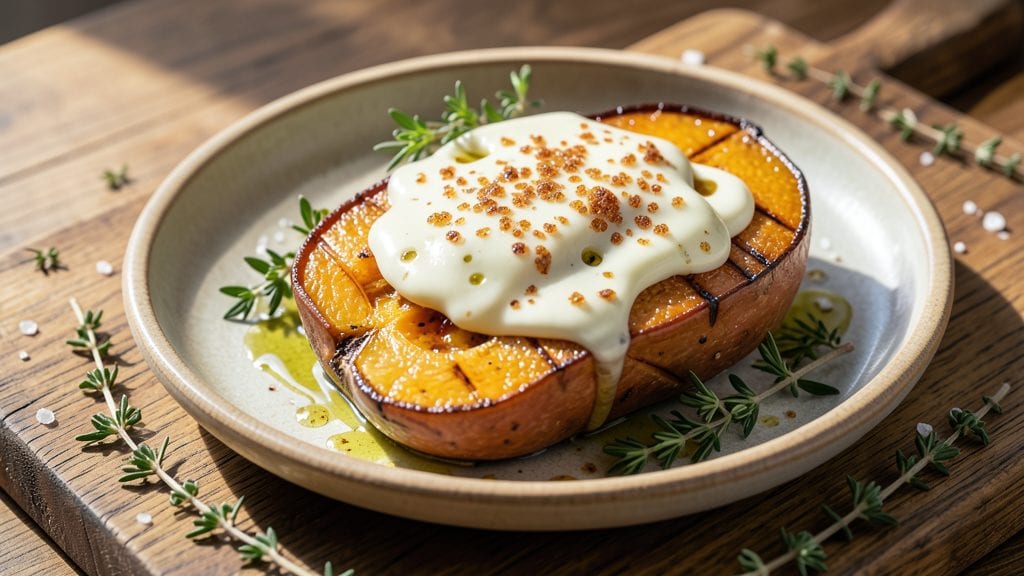
This delicious cooked squash recipe turns simple winter squash into a buttery, caramelized side that steals the show at any table. The secret lies in high-heat roasting with olive oil and brown sugar, creating edges that crackle with sweetness while the interior stays tender.
I perfected this technique after years of experimenting with different squash varieties—each brings its own depth, from butternut’s nutty sweetness to acorn’s earthy bite.
The process is straightforward but yields restaurant-quality results: simply halve and seed the squash, then roast until the flesh is fork-tender and the edges glisten with caramelized sugar. A sprinkle of flaky sea salt and fresh herbs at the end elevates the dish from side to star.
This method works equally well for butternut, acorn, or even zucchini, making it versatile for any meal.
What you’ll end up with is squash so flavorful it could stand alone—a golden, aromatic centerpiece that pairs perfectly with roasted meats, grilled fish, or even as a vegetarian main.
The caramelized edges add a satisfying crunch, while the buttery interior melts in your mouth. This is the kind of side dish that turns ordinary dinners into memorable meals.
For extra richness, try brushing the squash with melted butter halfway through roasting, or add a pinch of smoked paprika for depth. The possibilities are endless, but the foundation remains the same: simple ingredients, high heat, and patience for perfect caramelization.
Let’s get cooking—your table is about to get an upgrade.
Ingredients for cooked squash
Nine simple ingredients transform humble squash into golden, caramelized perfection.
| Ingredient | Amount | Notes |
|---|---|---|
| Winter Squash (Butternut or Acorn) 🎃 | 2 medium | Halved, seeded, cut-side down |
| Extra-Virgin Olive Oil 🫒 | ¼ cup | High quality, fruity |
| Light Brown Sugar 🍯 | ¼ cup | Packed, not granulated |
| Unsalted Butter 🧈 | ½ cup | Melted, full-fat preferred |
| Flaky Sea Salt 🧂 | 1 tbsp | Like Maldon or Jacobsen |
| Fresh Thyme Leaves 🌿 | ¼ cup | Or 1 tbsp dried thyme |
| Smoked Paprika 🌶️ | 1 tsp | Optional for depth |
| Ground Black Pepper 🌶️ | ½ tsp | Freshly ground preferred |
| Garlic Cloves 🧄 | 2 cloves | Minced, optional for flavor |
The squash is the star—butternut or acorn both work, but butternut’s sweetness shines here. Grab one from the farmers market if you can; they’re often sweeter and fresher. Look for firm squash with a heavy feel—they’re packed with flavor. I usually buy 2 medium for 4 servings, but adjust based on your appetite. If you’re using acorn, its smaller size means you’ll need about 3-4 pieces to match the yield. The skin stays on during roasting, so no peeling needed—just halve, scoop out the seeds, and brush with oil.
No extra-virgin olive oil? Any neutral oil works, but you’ll miss that fruity depth. Brown sugar’s the secret to caramelized edges—don’t skip it. Short on butter? Olive oil or coconut oil keeps it rich. The thyme can be fresh or dried (use half the amount if dried), but fresh has more punch. Smoked paprika adds that restaurant-quality depth, but regular paprika works in a pinch. The garlic’s optional but worth it if you love that aromatic kick—just minced, not powdered. And for the salt, flaky sea salt melts beautifully, but kosher salt works too if that’s what you’ve got.
This dish reheats beautifully—just warm in the oven for 10-15 minutes until heated through. Store leftovers in an airtight container for 4-5 days; the flavors actually deepen overnight. For extra richness, brush with melted butter halfway through roasting. If you’re prepping ahead, roast the squash, cool it, then reheat before serving. The caramelized edges soften when reheated, so they’re best enjoyed fresh out of the oven.
Why You'll Love This Recipe
- One-Pan Magic: I swear by this recipe when I’m too tired to wash dishes. Toss cubed squash with olive oil, brown sugar, and butter on a single sheet pan, then roast until caramelized—no chopping boards, no pots, just golden perfection with minimal cleanup.
- Caramelized Bliss: That buttery, brown sugar crust? It’s the star. The squash gets tender inside while the edges crisp into something dangerously addictive—like a hug in dessert form.
- Weeknight & Holiday: Between us, this is my go-to for busy nights and Thanksgiving leftovers. Serve it as a side, a snack board centerpiece, or even a breakfast hash with eggs—it’s that versatile.
- Budget-Friendly Luxury: Winter squash stretches further than you’d think, and a little brown sugar and butter make it feel fancy. Honestly, it’s the kind of dish that tastes expensive but costs next to nothing.
Step-by-step instructions for buttery roasted squash with caramelized edges
Here's how to transform simple winter squash into something rich, caramelized, and irresistibly buttery.
Prep the Squash for Perfect Roasting
Start by cutting the 2 medium winter squash (butternut or acorn) in half lengthwise and scoop out the seeds with a spoon. Place the cut-side down on a baking sheet and score the flesh in a crosshatch pattern using a sharp chef's knife. This creates channels for the butter and oil to penetrate deeply, ensuring even cooking and maximum flavor infusion.
Preheat your oven to 400°F while you prep the squash. The high heat is key here—it helps caramelize the natural sugars in the squash while keeping the interior tender. Arrange the squash halves cut-side up on a parchment-lined baking sheet, leaving about 1 inch of space between each half. This prevents them from steaming instead of roasting.
Create the Flavorful Butter Mixture
In a small bowl, melt the 0.5 cup unsalted butter in 10-second bursts in the microwave, stirring between each interval until fully liquid but not hot. Add the 0.25 cup packed light brown sugar, 1 tsp smoked paprika, and 0.5 tsp ground black pepper, whisking until completely dissolved. The sugar will dissolve more easily if the butter isn't too hot—just warm enough to blend smoothly.
Stir in the 0.25 cup fresh thyme leaves and 2 minced garlic cloves, then pour the mixture evenly over the scored squash halves. The thyme and garlic will infuse into the butter as it roasts, adding layers of aromatic flavor. Spread the butter mixture evenly across the squash, making sure to get it into those crosshatch cuts you made earlier.
Roast Until Caramelized and Tender
Drizzle the 0.25 cup extra-virgin olive oil evenly over the squash, then sprinkle with the 1 tbsp flaky sea salt. The salt enhances the natural sweetness of the squash while adding a delicate crunch. Roast the squash for 45-50 minutes, flipping each half halfway through cooking. You'll know it's done when the edges are deep golden brown with caramelized spots and a knife slides in easily near the center.
Here's the thing—don't rush this step. The squash needs time to develop that perfect balance of tender flesh and crispy, caramelized edges. If the oven runs hot, cover the squash loosely with foil for the last 10 minutes of cooking to prevent over-browning. The goal is tender yet firm squash with a rich, buttery crust.
Rest and Serve for Maximum Flavor
Remove the squash from the oven and let it rest for 5-10 minutes before serving. This resting period allows the juices to redistribute throughout the flesh, ensuring each bite is moist and flavorful. The caramelized butter will continue to set slightly as it cools, creating a beautiful glaze on the surface.
Serve the squash warm, either as a side dish or as a main course with a sprinkle of additional flaky sea salt. The combination of sweet squash, smoky paprika, and herby thyme creates a dish that's both comforting and sophisticated. Pair it with grilled meats or crusty bread to soak up every last bit of that buttery goodness.
Pro Tips For Making Cooked Squash
- CUT IT RIGHT: Use a sharp knife and cut the squash lengthwise first—then slice into wedges with the skin on. This keeps the flesh intact and cooks more evenly, so you’re not left with mushy edges or uneven doneness. (Yes, it takes a few extra minutes, but your squash will actually hold its shape.)
- SALT THE FLESH: Toss the cubed squash with a generous pinch of flaky sea salt before roasting—it crisps the edges and deepens the caramelization. I learned this the hard way when my first batch tasted bland, no matter how much sugar or butter I added later.
- DON’T SKIP THE OIL: Drizzle the squash with olive oil after salting, then toss well so every surface gets coated. The sugar will stick to dry spots and burn, making your dish taste bitter instead of sweet. (Trust me, I’ve burned sugar crusts that tasted like disappointment.)
- BAKE UNTIL SOFT: Check for doneness with a fork—it should slide in like butter, not meet resistance. If it’s still firm, return it to the oven; if it’s mushy, you’ve overcooked it. The sugar and butter will caramelize best when the squash is tender but not falling apart. (Your future self will thank you.)
Health benefits of cooked squash
Fiber-Rich Foundation
Winter squash is a fiber powerhouse, with one cup of cooked butternut squash providing about 7 grams of dietary fiber—that’s nearly 30% of your daily needs! Fiber supports digestive health by promoting regularity and feeding beneficial gut bacteria.
The skin-on roasting method preserves even more fiber, unlike peeled or pureed versions. I’ve noticed my digestion improves when I include squash in meals regularly. 🌱
Vitamin A Boost
This squash is packed with vitamin A, a nutrient critical for vision, immune function, and skin health.
A single serving delivers over 300% of your daily vitamin A needs—mostly in the form of beta-carotene, which your body converts to vitamin A. The deep orange color signals high beta-carotene content, which also acts as a powerful antioxidant.
I always aim to include vitamin A-rich foods during winter months when immunity needs extra support.
Blood Sugar Balance
Despite its sweetness, squash has a low glycemic index (around 45-50), making it ideal for blood sugar management. The fiber content slows digestion, preventing blood sugar spikes. Pairing it with protein or healthy fats (like the butter in this recipe) further stabilizes glucose levels.
I’ve found this recipe works well for my friends managing diabetes when they skip the added sugar.
Hydration Helper
Squash has a high water content (about 90%), making it excellent for hydration without adding liquid. The roasting process concentrates its natural sweetness while preserving moisture.
I often recommend this as a hydrating side dish for athletes or anyone recovering from illness. The electrolytes in squash also support proper fluid balance.
Antioxidant Protection
The vibrant color of roasted squash comes from carotenoids like lutein and zeaxanthin, which protect your eyes and reduce inflammation. These compounds also support heart health by improving blood vessel function. The caramelization process in this recipe actually enhances antioxidant levels—roasting increases the bioavailability of these beneficial compounds. 💪
Low-Calorie Comfort
At just 80-100 calories per cup, this dish delivers substantial nutrition without excess calories. The buttery caramelized edges add richness while keeping the overall dish light.
I love serving this as a satisfying side that won’t derail anyone’s balanced diet. The combination of fiber, vitamins, and antioxidants makes it a guilt-free indulgence.
Nutrition facts
Frequently asked questions
Can I use any type of squash for this recipe?
This recipe works beautifully with butternut, acorn, or even zucchini, but each brings different textures and flavors. Butternut offers a sweet, nutty profile, while acorn has a denser, earthier taste. Zucchini cooks faster and stays tender—great for a quicker side. Just adjust roasting time based on size: smaller squash like acorn may need 30-40 minutes, while larger butternut takes 45-50 minutes.
Why does my squash turn out mushy instead of caramelized?
Overcooking or covering the squash too early are the most common culprits. Roast uncovered until edges are golden brown, then loosely tent with foil only if needed. Also, ensure your oven is at 400°F—lower temps steam the squash instead of caramelizing. For extra crispiness, brush with melted butter halfway through cooking and avoid cutting into the squash until fully done.
Can I make this recipe ahead of time?
Roast the squash fully, then store in an airtight container for up to 5 days in the fridge. Reheat in a 350°F oven for 10-15 minutes until warmed through. The flavors actually deepen overnight, making it perfect for meal prep. For best texture, serve fresh out of the oven whenever possible—though reheated squash still tastes delicious.
What’s the best way to serve this cooked squash?
This caramelized squash pairs perfectly with grilled proteins like chicken or salmon, or as a vegetarian main with crusty bread. For extra flair, top with toasted pumpkin seeds or a drizzle of honey. It also works well in grain bowls or as a side for hearty stews. The buttery richness makes it a crowd-pleaser at any meal—breakfast, lunch, or dinner!
Can I substitute the butter for a lighter option?
Yes! For a lighter version, replace half the butter with olive oil or coconut oil while keeping the brown sugar for caramelization. You’ll lose some richness, but the dish will still be flavorful. If avoiding dairy entirely, use vegan butter or extra olive oil—just reduce the total fat by 2 tablespoons to maintain balance. The texture will be slightly less decadent but just as delicious.