Main Courses
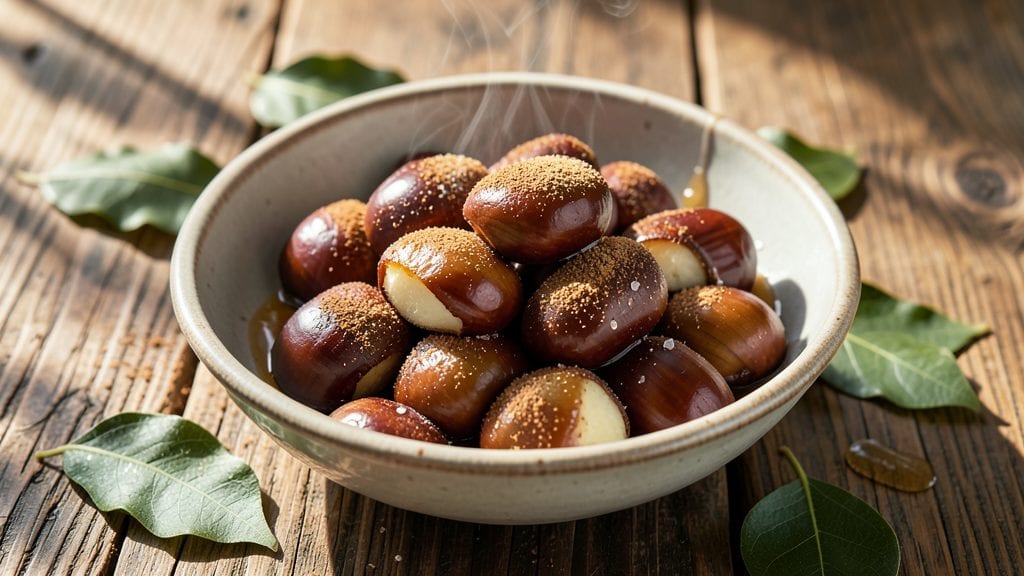
Boiling chestnuts transforms their tough shells into buttery-soft bites that taste like autumn in every spoonful. My grandmother used to prepare them this way—simply boiled until tender, then dressed with just a pinch of salt and a whisper of cinnamon.
The technique is deceptively simple, but the results are restaurant-worthy without the fuss.
The process begins with properly preparing the chestnuts—peeling them carefully to avoid waste, then simmering them in salted water until fork-tender. I’ve found that adding a bay leaf or two to the water infuses subtle herbal notes, while a splash of vanilla extract elevates them into something truly special.
The key is patience; rushing the boiling turns them mushy, but letting them cook just right yields that perfect creamy texture.
What you’ll end up with is a dish that’s versatile enough for any meal—serve them warm as a side with roasted meats, sprinkle with powdered sugar for a dessert twist, or enjoy them plain as a cozy snack.
The aroma alone will fill your kitchen with nostalgia, and the simplicity makes it a recipe you’ll turn to again and again. Let’s get started!
This method works with both fresh and canned chestnuts, though fresh ones have a richer flavor. For extra indulgence, toss them with melted butter and a pinch of cayenne after boiling—it’s a game-changer.
The beauty of boiled chestnuts is their adaptability; they’re as comforting as they are elegant, proving that sometimes the simplest dishes are the best.
Ingredients for boiled chestnuts
Fresh chestnuts, warm spices, and a whisper of vanilla—just nine ingredients for autumn perfection.
| Ingredient | Amount | Notes |
|---|---|---|
| Fresh Chestnuts 🌰 | 1 ½ lb | Peeled, shelled, and scored |
| Water 💧 | 4 cups | For boiling chestnuts |
| Sea Salt 🧂 | 1 tsp | Fine grain preferred |
| Ground Cinnamon 🌿 | ½ tsp | For warm spice touch |
| Bay Leaves 🍃 | 2 whole | For subtle herbal flavor |
| Pure Vanilla Extract 🍯 | ¼ tsp | Optional but special |
| Unsalted Butter 🧈 | 2 tbsp | Melted for finishing |
| Powdered Sugar 🍚 | 1 tbsp | Optional dessert touch |
| Cayenne Pepper 🔥 | ⅛ tsp | Pinch for heat lovers |
Fresh chestnuts are worth hunting for at Trader Joe's or Whole Foods in fall—they’re sweeter than canned, but vacuum-packed ones work in a pinch. Look for plump, firm nuts with no cracks (the shell should dent slightly under pressure). Pre-peeling is key: score the flat side with an X to prevent bursting. Costco sells them pre-peeled in season, which saves time. If using canned, drain and rinse thoroughly to cut the syrup sweetness. The vanilla extract? Pure, not imitation—it makes all the difference.
No vanilla? Almond extract at half the amount works, but you’ll miss that cozy depth. Short on cinnamon? Nutmeg or cardamom add warmth, though cinnamon’s the classic. The bay leaves can be swapped for a sprig of rosemary if you’re feeling fancy. For extra richness, toss the cooked chestnuts with 2 tbsp of melted butter and a pinch of cayenne—trust me, it’s a game-changer. And if you’re serving these as a dessert, the powdered sugar turns them into a nostalgic treat (like my grandmother’s version).
Boiled chestnuts keep for 3-4 days in the fridge, stored in their cooking liquid—it preserves their moisture. For longer storage, freeze them in a single layer before bagging; they’ll last up to 6 months. Reheat gently in a dry pan or microwave for 30 seconds. Pro tip: save the bay leaves and vanilla-infused water for broths or gravies—every bit of flavor counts. Leftovers? Toss them into oatmeal or mashed potatoes for a seasonal twist.
Why You'll Love This Recipe
- No-Fuss Boil: I swear, this takes less effort than microwaving leftovers. Just toss whole chestnuts in salted water with bay leaves, let them simmer until tender—no peeling, no fuss, no mess. The cinnamon infuses as it cooks, so you’re left with flavor without extra steps.
- Creamy Crunch Magic: That first bite—warm, buttery flesh with a crisp edge? Pure satisfaction. The bay leaves add earthy depth while cinnamon gives it a subtle sweetness that makes them taste like a hug from autumn.
- Holiday or Snack: Between us, these work everywhere. Toss them into salads for a cozy touch, serve as a side for roasted meats, or just eat them straight from the pot with a sprinkle of flaky salt. My kids ask for them at Thanksgiving and when I’m making lunchboxes.
- Budget Bulk: A pound of chestnuts costs less than fancy snacks, and they keep in the fridge for days. Boil a big batch—use some now, save some for later. Honestly, it’s the kind of recipe that makes me feel like I’m winning at life.
Step-by-step instructions for buttery-soft boiled chestnuts
Here's how to transform fresh chestnuts into velvety, aromatic bites with just a pot and patience.
Prepare the Chestnuts for Cooking
Start by carefully peeling the 1.5 lb fresh chestnuts—make small incisions in the rounded side with a sharp knife before peeling to avoid tearing the delicate flesh. Once peeled, shell them by gently squeezing the halves to remove the inner skin. Cut each chestnut in half and make a small slit in the flat side to prevent them from bursting during cooking.
This scoring step is crucial—it allows steam to escape and prevents the chestnuts from exploding in the pot. Arrange the prepared chestnuts on a baking sheet and set aside. You'll know they're ready when all pieces are uniform in size and the slits are cleanly made.
Simmer the Chestnuts in Flavored Water
In a large pot, combine the 4 cups water, 1 tsp sea salt, 0.5 tsp ground cinnamon, 2 whole bay leaves, and 0.25 tsp pure vanilla extract. Bring to a boil over medium-high heat, then immediately reduce to a gentle simmer. Add the prepared chestnuts and cook for 25-30 minutes until they're fork-tender when pierced.
Don't rush this step—the chestnuts should be soft enough to mash slightly with a fork but still hold their shape. The water should have a fragrant aroma of cinnamon and vanilla by the end. If the water level drops significantly during cooking, add a splash of hot water to maintain even cooking.
Finish with Butter and Seasoning
Once the chestnuts are tender, drain them in a colander and return them to the pot. Add the 2 tbsp unsalted butter and 1 tbsp powdered sugar, stirring gently to coat each chestnut. The butter should melt into a glossy finish, and the sugar will caramelize slightly from the residual heat.
Taste and adjust seasoning with an additional pinch of 0.125 tsp cayenne pepper if you prefer more heat. The chestnuts should be sweet, spicy, and richly buttery. For extra flavor, you can also sprinkle with a pinch of flaky sea salt at this stage.
Serve Warm for Maximum Flavor
Transfer the chestnuts to a serving dish and let them rest for 5 minutes to allow the flavors to meld. Serve immediately while still warm—the contrast of the soft chestnuts with the crispy exterior is what makes this dish special.
These chestnuts pair beautifully with crusty bread, sharp cheeses, or even as a side to roasted meats. The vanilla and cinnamon add a subtle sweetness that balances the earthy chestnut flavor perfectly. Store any leftovers in the refrigerator for up to 3 days, but they're best enjoyed fresh from the pot.
Pro Tips For Making Boiled Chestnuts
- SLASH THEM FIRST: Chestnuts need a good nick—don’t just poke them, give each one a clean cut about halfway through with a sharp knife. I learned this the hard way when my first batch of whole chestnuts turned into a mushy mess because the steam couldn’t escape.
- BOIL FAST THEN REST: Get the water screaming hot before adding chestnuts, then cook them for just 12-15 minutes—no longer, or they’ll turn to mush. After draining, wrap them in a towel for 5 minutes to steam-dry; this keeps them firm and makes peeling them effortless.
- SALT THE WATER LIKE THE SEA: Toss in a full tablespoon of sea salt before adding chestnuts—this infuses them better than sprinkling later. Skip the measuring if you’re using flaky salt; just go by the "it looks like a snowstorm in there" rule.
- SKIP THE BAY LEAF TRICK: Bay leaves add zero flavor to chestnuts—they just make cleanup harder. If you’re using them for broth, fine, but for plain boiled chestnuts, save yourself the hassle and leave them out. (Your cinnamon’s doing enough work already.)
Health benefits of boiled chestnuts
Rich in Fiber
Chestnuts are a fantastic source of dietary fiber, with about 10 grams per cooked cup. This helps keep your digestive system running smoothly and supports heart health by lowering cholesterol levels.
I’ve found that adding chestnuts to my meals—like these boiled ones—helps me feel full longer, which is perfect for those autumn cravings. 🌰
Packed with Antioxidants
These nuts contain powerful antioxidants like vitamin C and polyphenols, which fight inflammation and protect your cells from damage. A single serving of boiled chestnuts provides around 15% of your daily vitamin C needs, boosting your immune system naturally.
My grandmother always swore by them during cold season, and I’ve noticed a difference too!
Low-Calorie Comfort
At just 120 calories per cooked cup, chestnuts are a guilt-free indulgence. They’re naturally sweet and satisfying, making them an excellent alternative to higher-calorie snacks. I often serve these boiled chestnuts as a dessert substitute—they’re rich enough to feel decadent but light enough for a mid-afternoon pick-me-up.
Vitamin B Boost
Chestnuts are loaded with B vitamins, particularly folate and B6, which are essential for energy metabolism and brain health. These vitamins help convert food into energy, so you’ll feel more alert after eating them.
I’ve noticed my energy levels stay steady when I include chestnuts in my meals, especially during busy fall weekends.
Mineral Powerhouse
They’re also rich in potassium, magnesium, and copper, which support muscle function, nerve signaling, and iron absorption. A serving of boiled chestnuts provides 10% of your daily copper needs, which is great for maintaining healthy skin and hair.
My grandmother always said, “Chestnuts make you glow from the inside out,” and I believe her!
Blood Sugar Friendly
With a low glycemic index, chestnuts won’t spike your blood sugar like many other snacks. This makes them a smart choice for anyone watching their sugar intake or managing diabetes. I’ve even used them in savory dishes to add depth without worrying about blood sugar fluctuations. 💪
Nutrition facts
Frequently asked questions
Can I use canned chestnuts instead of fresh?
Yes, but fresh chestnuts give the best texture and flavor. If using canned, drain and rinse thoroughly to remove excess syrup, then simmer in fresh water with your spices for 10-15 minutes to rehydrate. They won't need scoring since they're pre-cooked. For extra richness, add 1 tbsp melted butter at the end.
Why do my chestnuts turn mushy when boiling?
Overcooking is the most common cause. Chestnuts are done when they're fork-tender but still hold their shape—25-30 minutes for fresh, 15 minutes for canned. Also check your water level; if it evaporates too much, add hot water to maintain even cooking. Pro tip: Always score the flat side to prevent bursting.
What's the best way to store leftover boiled chestnuts?
Store in an airtight container with a splash of their cooking liquid to keep them moist. They'll last 3-4 days in the fridge or up to 6 months in the freezer. For reheating, warm in a dry pan over low heat or microwave for 30 seconds—never from frozen. The liquid makes great broth for soups!
Can I make these chestnuts ahead for a holiday meal?
Boil them up to 2 days ahead and store in the fridge. For holiday prep, try this shortcut: Parboil the chestnuts, then refrigerate in their cooking liquid. On serving day, finish with butter and spices, then reheat gently. They reheat beautifully and taste even better the next day as flavors meld. Perfect for Thanksgiving sides!
What are some creative ways to serve boiled chestnuts?
Beyond the classic side dish, try these ideas: Toss with melted chocolate for a dessert, mix into mashed potatoes for a gourmet twist, or serve in warm crusty bread with honey. For savory options, pair with prosciutto and arugula salad. My favorite? Sprinkle with flaky salt and serve with sharp cheddar and apple slices for a fall charcuterie board.