Sauces & Condiments
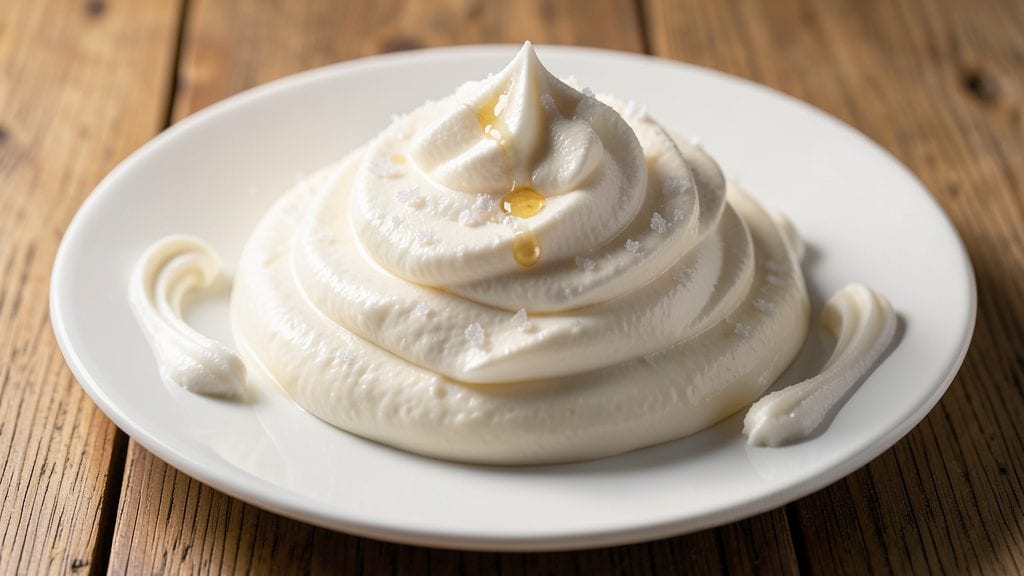
Betty Crocker's fluffy white icing recipe delivers that signature light-as-air frosting that makes every cake feel like a bakery masterpiece. 💛 I've been perfecting this technique since my first attempt at 12 years old—my dad's chocolate chip pancakes needed something special.
The secret lies in precise measurements and proper mixing, which I'll break down step by step.
This recipe uses just five simple ingredients: powdered sugar, butter, milk, vanilla extract, and a pinch of salt. The key to achieving that signature fluffy texture is beating the butter and milk to stiff peaks before gradually adding the powdered sugar.
This method incorporates air that stays trapped, creating that signature light, airy consistency that separates this icing from others.
Once you've mastered the technique, you'll have a frosting that's perfect for decorating cakes, cupcakes, or even cookies. It's stable enough to pipe but light enough to melt beautifully on warm treats.
The vanilla flavor is clean and bright, but you can easily customize it with citrus zest or a touch of almond extract for variations.
Store any leftovers in an airtight container at room temperature for up to 3 days, or refrigerate for up to 1 week. Just be sure to bring it to room temperature and re-whip before using.
This is the kind of frosting that makes even simple cakes feel like showstoppers—let's get started!
Ingredients for betty crocker fluffy white icing
Five ingredients, one perfect frosting—just like Betty Crocker’s classic recipe.
| Ingredient | Amount | Notes |
|---|---|---|
| Powdered Sugar 🍚 | 4 cups | Sifted for smooth texture |
| Unsalted Butter 🧈 | 1 cup | Softened but not melted |
| Whole Milk 🥛 | ¼ cup | Room temperature preferred |
| Pure Vanilla Extract 🍈 | 1 tbsp | Bottled vanilla preferred |
| Fine Sea Salt 🧂 | ¼ tsp | Kosher or table salt |
The powdered sugar is your game-changer here—sift it first for that silky, lump-free texture. I grab Domino brand from the store because it's consistently fine, but any good-quality powdered sugar works. For the butter, softened means it should dent when pressed but not melt—room temperature is key. The milk? Whole milk gives the best flavor, but any milk works in a pinch. Vanilla extract is where you can splurge if you want—bottled vanilla tastes richer than imitation. And that pinch of salt? Don't skip it—it balances the sweetness and makes the flavor pop.
No powdered sugar? Confectioners' sugar substitute from the baking aisle is a lifesaver, but it’s not the same. Butter too hard to soften? Microwave it for 20 seconds to just melt, then let it cool slightly. Short on vanilla? Almond extract at half the amount works, but it’ll taste different. The milk can be swapped for heavy cream if you want extra richness, though it’ll be heavier. And if you’re feeling fancy, a pinch of citrus zest (like lemon or orange) adds a bright twist—just add it at the end.
This icing keeps beautifully—room temperature for 3 days or 1 week refrigerated. To use it again, let it sit at room temp for 10 minutes, then whip it up. The butter will firm up slightly, but it’ll come back to life. Store leftovers in an airtight container with a piece of parchment between layers to prevent sticking. Trust me, it’s worth making extra—this frosting disappears fast!
Why You'll Love This Recipe
- No-Fuss Mixing: I swear by this recipe because it’s the kind of icing that doesn’t demand perfection—just a stand mixer (or even a whisk) and a few minutes. The butter and milk come together so smoothly, and the powdered sugar dissolves without a fight, unlike those recipes that leave lumps no matter how hard you stir.
- Vanilla Kiss Magic: That little splash of pure vanilla extract? It’s the difference between good and ridiculously good. The salt cuts through the sweetness just enough to make it taste like something from a bakery, not a box. Honestly, I’ll take this over store-bought frosting any day.
- Birthday to Baking Day: This icing is my go-to for cupcakes, sheet cakes, or even drizzled over cinnamon rolls—no matter the occasion. It’s thick enough to pipe neatly but light enough to spread like butter, so it works for decorating and eating straight from the bowl.
- Pantry Staple Power: Between us, this recipe uses ingredients you already have—no specialty items, no last-minute grocery runs. A little butter, a splash of milk, and that vanilla? It’s budget-friendly, lasts for days in the fridge, and even freezes beautifully for when inspiration (or a last-minute dessert emergency) strikes.
Step-by-step instructions for Betty Crocker's fluffy white icing
Here's how to whip up that classic light-as-air frosting—no lumps, no stress.
👨🍳 Step 1: Soften the Butter Properly
Take the 1 cup unsalted butter out of the fridge and let it sit at room temperature for 30-45 minutes. You want it soft enough to press your finger into it and leave a slight indent, but not melted or oily. This is key—if it's too cold, the icing will be grainy; if it's too soft, it'll be greasy.
I like to cut the butter into smaller chunks first so it softens more evenly. Once it reaches the right consistency, you'll see it's pliable but still holds its shape. This step makes all the difference for that signature fluffy texture.
🍳 Step 2: Mix Butter and Vanilla
In a large mixing bowl, beat the softened butter with the 1 tablespoon pure vanilla extract using an electric mixer on medium speed for 2-3 minutes. You're looking to create a smooth, creamy base that's completely combined. This step ensures the vanilla flavor is evenly distributed throughout the icing.
Here's the thing—don't skip this step. If you add the powdered sugar too soon, you'll end up with lumps that are nearly impossible to fix later. Take your time here to get that silky butter-vanilla mixture.
👨🍳 Step 3: Gradually Add Powdered Sugar
With the mixer running on low speed, slowly add the 4 cups powdered sugar (remember to sift it first for that ultra-smooth texture). Add about ½ cup at a time, letting each addition fully incorporate before adding more. This gradual approach prevents clumping and creates that signature light, airy texture.
I know it seems tedious, but trust me—this is where the magic happens. If you dump it all in at once, you'll end up with a thick, grainy mess. Keep the mixer running on low to avoid creating air pockets that could make the icing too light or too dense.
🥘 Step 4: Incorporate the Milk and Salt
Once all the powdered sugar is incorporated, add the ¼ cup whole milk and ¼ teaspoon fine sea salt. Mix on medium speed for 1-2 minutes until completely smooth and creamy. The milk helps thin the icing to the perfect consistency, while the salt balances the sweetness.
Here's your consistency checkpoint: the icing should be thick enough to hold peaks when piped, but still spreadable. If it's too thick, add another 1 teaspoon of milk at a time until you reach the right texture. If it's too thin, you can fix it by adding a bit more powdered sugar.
⏰ Step 5: Test and Adjust
For the perfect test, pipe a small amount onto a plate and let it sit for 5 minutes. If it spreads too much, you'll need to add 1 tablespoon more powdered sugar at a time. If it holds its shape too much, add ½ teaspoon more milk. The icing should be smooth, glossy, and hold its shape when piped but still spreadable with a knife.
Once you've achieved that ideal consistency, give it one final taste. If it needs more sweetness, add a bit more powdered sugar. If it needs more flavor, add another ¼ teaspoon of vanilla extract. Now you're ready to frost those cupcakes or cakes—this icing is going to be amazing!
Pro Tips For Making Betty Crocker Fluffy White Icing
- Cut Butter Cold: Take your butter straight from the fridge—no softening needed. I used to melt it into the milk first, but cold cubes blend smoother and keep the icing from turning greasy. The recipe will still come together, just with less lumps and more fluff.
- Sift That Sugar: Powdered sugar clumps like it’s plotting against you. Sift it directly into the mixer bowl before adding anything else—this cuts down on lumps and saves you from scraping the sides later. Trust me, your icing will be lighter and spread easier.
- Add Salt Last: Taste before you finish. The recipe calls for salt, but butter and milk can vary in saltiness. Add the fine sea salt after mixing, then adjust—you might not need all of it. This keeps your icing from tasting flat or overly salty.
- Pulse the Milk: Drizzle the milk in slowly while the mixer runs on low. Pouring it all at once makes the butter seize up and turn the icing into a sad, clumpy mess. A little at a time keeps everything smooth and creamy—no guesswork.
Common mistakes when making your betty crocker fluffy white icing
Skipping the Butter-Softening Step
I’ve seen so many people rush this step, and it always ends in disaster. If your butter is too cold, your icing will turn out grainy and clumpy—no amount of mixing will fix that. Cold butter disrupts the emulsion, creating tiny lumps that ruin the smooth texture.
On the flip side, if it’s too soft or melted, the icing becomes greasy and loses its structure. Always let it sit at room temperature for 30-45 minutes—trust me, it’s worth the wait. 🌡️
Adding Powdered Sugar Too Fast
The biggest mistake I see is dumping all 4 cups of powdered sugar at once. This creates a thick, paste-like mess that’s nearly impossible to fix. The key is gradual addition—about ½ cup at a time—so the mixer can fully incorporate each batch.
If you rush, you’ll end up with a dense, heavy icing that lacks that signature fluffiness. Take your time here, and you’ll get that light, airy texture every time.
Ignoring the Salt
That ¼ teaspoon of salt might seem insignificant, but it’s a game-changer. Without it, the sweetness of the powdered sugar and butter can taste flat or even cloying. The salt balances the flavors, making the vanilla shine.
I’ve tasted homemade versions without salt, and honestly? It’s noticeable. Don’t skip it—it’s the secret to that bakery-quality taste. 🧂
Overmixing After Adding Milk
Once you add the ¼ cup of milk, it’s easy to overmix, especially if you’re eager to see the final result. But overmixing can incorporate too much air, causing the icing to become too light and unstable.
Mix just until smooth—about 1-2 minutes—then stop. If it’s still too thick, add milk 1 teaspoon at a time instead of overworking it. The goal is creamy, not frothy.
Not Testing Consistency First
Skipping the 5-minute test is a huge mistake. The icing needs time to settle before you can judge its true consistency. If you pipe it too soon, it might spread too much or hold its shape too rigidly.
Let it rest, then adjust with powdered sugar or milk as needed. This step ensures your frosting will behave perfectly on cakes, cupcakes, or cookies. Patience here makes all the difference!
Using the Wrong Mixer Speed
Mixing on high speed from the start can cause the butter to separate or the icing to become too light and fluffy. Start on low speed when adding powdered sugar, then increase to medium for the milk.
This gradual approach prevents lumps and ensures a smooth, creamy texture. If you crank it up too soon, you’ll end up with a greasy mess instead of that perfect, stable frosting. 💡
Nutrition facts
Frequently asked questions
Why does this icing turn out grainy sometimes?
The most common cause is unsifted powdered sugar or cold butter. Always sift the powdered sugar first, and let your butter soften completely at room temperature for 30-45 minutes. If you still get lumps, try adding 1 teaspoon of milk at a time while mixing on low speed to dissolve them.
Can I make this icing without a mixer?
Yes! Use a hand mixer or even a whisk, but you'll need to be extra patient. Mix the butter and vanilla first, then gradually add the powdered sugar 1 tablespoon at a time, whisking vigorously between additions. The milk can be incorporated with a fork. It'll take longer, but you'll still get that smooth, creamy texture.
How do I store leftover frosting?
For short-term use, store in an airtight container at room temperature for up to 3 days. For longer storage, refrigerate for up to 1 week. Before using, let it sit at room temperature for 10 minutes and re-whip with a hand mixer to restore its fluffy texture. Place parchment paper between layers to prevent sticking.
What can I do if my icing is too thick?
Add milk or heavy cream 1 teaspoon at a time while mixing on low speed. For a richer texture, use cream instead of milk. If you've already added too much liquid, you can fix it by adding 1 tablespoon of powdered sugar at a time. The key is patience—don't add all the liquid at once or you'll risk separating the butter.
Can I make this icing dairy-free?
Yes, but with modifications. Replace the butter with vegan butter or coconut oil (use same amount), and swap the milk for unsweetened almond milk or oat milk. You may need to adjust the powdered sugar slightly, as plant-based milks vary in thickness. For best results, use a mixer to ensure proper emulsification. The texture will be slightly different but still delicious.