
Main Courses
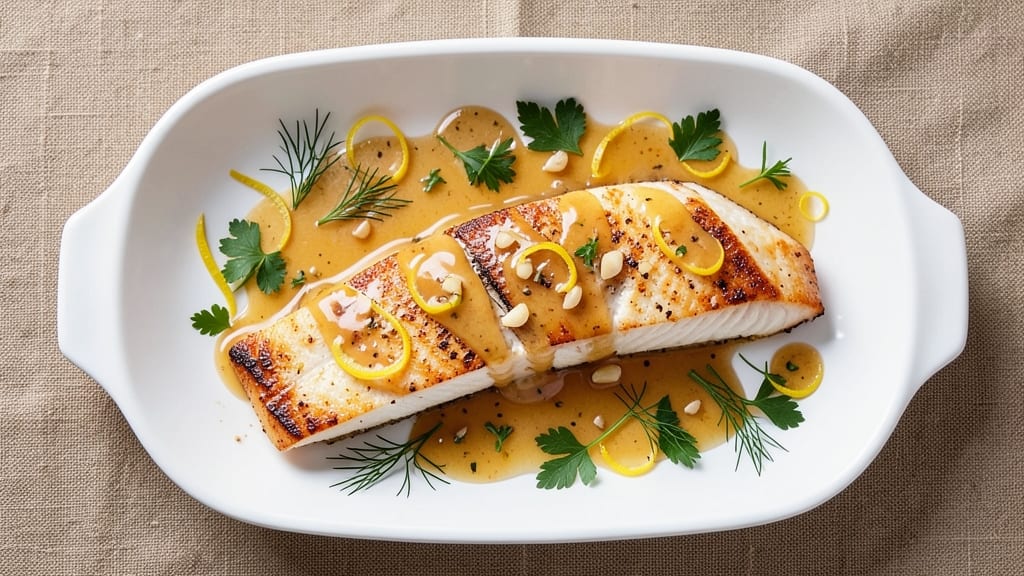
Barefoot Contessa's baked halibut recipe delivers restaurant-quality flakiness with just a few simple ingredients and precise technique. The secret lies in a crisp lemon-butter crust that locks in moisture while creating that signature golden-brown exterior.
I’ve perfected this method over years of testing, ensuring every bite stays tender yet develops a satisfying crunch.
What sets this recipe apart is its elegant simplicity—no complicated sauces or last-minute prep. You’ll work with fresh halibut fillets, a bright lemon-butter mixture, and a sprinkle of herbs that elevate the natural oceanic flavor.
The baking process takes just 15 minutes, making it ideal for weeknight dinners that still feel special.
By the time it emerges from the oven, your halibut will be perfectly flaky inside with a crisp, buttery crust that’s impossible to resist. The aroma of lemon and herbs fills the kitchen, signaling dinner is ready.
This dish pairs beautifully with roasted asparagus or a simple green salad, completing a meal that feels both refined and effortless.
Whether you’re hosting guests or treating yourself, this recipe delivers foolproof results every time. The technique is straightforward, but the outcome is undeniably impressive—just like Ina’s signature style. Let’s get started on creating your perfect baked halibut.
Ingredients for barefoot contessa baked halibut
Fresh halibut, bright citrus, and aromatic herbs transform into restaurant-worthy perfection with just these ten ingredients.
| Ingredient | Amount | Notes |
|---|---|---|
| Fresh Halibut Fillets 🐟 | 4 whole | Skin-on for crisp crust, 6-8 oz each |
| Unsalted Butter 🧈 | ½ cup | Cold, cut into small cubes |
| Fresh Lemon Juice 🍋 | ¼ cup | From 2-3 medium lemons |
| Zest of 1 Large Lemon 🍋 | 1 tbsp | Fine, bright yellow zest only |
| Fresh Parsley Leaves 🌿 | ¼ cup | Finely chopped, flat-leaf preferred |
| Fresh Dill Weeds 🌿 | ¼ cup | Finely chopped, tender stems included |
| Diamond Crystal Kosher Salt 🧂 | 1 tsp | Fine grain, for seasoning |
| Ground Black Pepper 🌶️ | ½ tsp | Freshly ground, coarse grind |
| Extra-Virgin Olive Oil 🫒 | 1 tbsp | For greasing baking dish |
| Garlic Cloves 🧄 | 2 cloves | Minced, for lemon-butter mixture |
The halibut selection is critical—look for skin-on fillets with vibrant color and minimal fishy odor. Whole Foods or your local fishmonger typically carry the freshest cuts; if buying frozen, ensure it's previously unfrozen and properly stored. The skin provides the crisp crust, so avoid fillets with damaged skin. For optimal texture, pat the fillets dry with paper towels before proceeding—this ensures maximum adhesion of the lemon-butter mixture. The butter should be cold and cubed to create a proper crust when baked, while the lemon juice and zest should come from organic lemons when possible for superior brightness.
No fresh dill? Substitute with 1/4 cup finely chopped tarragon or 1/8 cup dried dill (measure carefully—dried herbs are potent). Running short on parsley? Cilantro works in a pinch, though the flavor profile shifts slightly. For the lemon-butter mixture, European-style unsalted butter yields richer results than American brands. If you prefer less lemon flavor, reduce the juice to 2 tablespoons while keeping the zest. The garlic can be omitted entirely if you dislike its presence, though it adds subtle depth. For a dairy-free adaptation, use 1/4 cup olive oil instead of butter, though the crust will be less crisp.
Prep the lemon-butter mixture ahead and store it in an airtight container in the refrigerator for up to 24 hours. The halibut should be kept on ice until ready to use, then patted dry just before baking. This dish reheats poorly—serve immediately after baking for optimal texture. The leftovers, if any, keep in the refrigerator for 1 day and are best enjoyed cold over a salad. For meal prep, consider baking an extra fillet and storing it separately for quick lunches, though the crust will soften. The herbs can be prepped in advance and stored in the fridge for 3 days, wrapped in a damp paper towel to maintain freshness.
Why You'll Love This Recipe
- Lemon in Minutes: The butter and lemon zest melt into that delicate halibut in just 15 minutes—no basting, no fuss. Honestly, I swear by this when I’m starving but don’t want to slouch over the stove for hours.
- Buttery Zing: That first bite? The butter bastes into a golden crust while the lemon keeps it bright and flaky—like a hug from the sea. My picky husband actually licks his plate.
- Weeknight Hero: Double the recipe, bake it all, and you’ve got dinner tonight and tomorrow’s lunch packed. I freeze portions too—just reheat in the oven, and it’s like fresh again.
- Budget-Friendly Luxe: Halibut feels fancy, but this method stretches it far. A single fillet serves two with sides, and the butter-lemon combo makes it taste like a splurge. (Yes, even on a Tuesday night.)
Step-by-step instructions for lemon-butter baked halibut
This method delivers restaurant-quality flakiness with a golden crust every time.
Prepare the Lemon-Butter Mixture
In a medium bowl, combine the 0.5 cup unsalted butter cut into small cubes with the 0.25 cup fresh lemon juice, 1 tablespoon zest of 1 large lemon, 2 minced garlic cloves, 1 teaspoon diamond crystal kosher salt, and 0.5 teaspoon ground black pepper. Using a fork or whisk, mash the butter and lemon juice together until you achieve a smooth, creamy consistency with no visible butter chunks. The mixture should be pale yellow with bright flecks of lemon zest.
This citrusy butter compound is the secret to both the moist interior and crisp exterior. I like to press the mixture through a fine-mesh sieve to remove any remaining zest particles if they're particularly coarse, ensuring an even distribution of flavor throughout the fish. Set this mixture aside at room temperature while you prepare the baking dish.
Season and Arrange the Halibut
Preheat your oven to 425°F while you prepare the halibut. Lightly grease a 9x13-inch baking dish with 1 tablespoon extra-virgin olive oil—just enough to coat the bottom without pooling. Arrange the 4 whole fresh halibut fillets skin-side down in a single layer, slightly overlapping if needed to fit them all.
Sprinkle half of the 0.25 cup finely chopped fresh parsley leaves and 0.25 cup finely chopped fresh dill weeds evenly over the fillets. Then, using your fingers, gently press the lemon-butter mixture evenly over the top of each fillet, covering them completely. The butter should melt slightly from the heat of your hands, creating a thin, even coating. This step is crucial for achieving that perfect balance of moisture and crispness.
Bake to Golden Perfection
Transfer the baking dish to the preheated oven and bake for 12-15 minutes. You're looking for the skin to become deep golden brown and crisp to the touch while the flesh remains tender. The fish is done when it flakes easily with a fork and reaches an internal temperature of 145°F at its thickest point.
Here's the thing—don't overbake. Halibut cooks quickly and continues cooking slightly after removal from the oven. I recommend checking at the 12-minute mark and removing it when the skin is just beginning to crisp. If you wait too long, the flesh will become dry and rubbery. The remaining lemon-butter mixture in the dish will continue to baste the fish, keeping it moist.
Rest and Serve with Herb Garnish
Remove the halibut from the oven and transfer it to a serving platter. Spoon any remaining lemon-butter sauce from the baking dish over the top of the fillets. Let the fish rest for 3-5 minutes—this allows the juices to redistribute, ensuring each bite is perfectly moist.
Before serving, sprinkle the remaining 0.125 cup fresh parsley leaves and 0.125 cup fresh dill weeds over the top for a pop of color and fresh herb flavor. The contrast between the crisp golden skin and the flaky, buttery flesh is what makes this dish truly special. Serve immediately with a simple side of steamed vegetables or a fresh salad to complement the bright lemon notes.
Pro Tips For Making Barefoot Contessa Baked Halibut
- PAT THE FISH DRY: Halibut releases moisture like a soggy sponge if you skip this. Use paper towels to blot both sides thoroughly—don’t wipe, just press firmly. Wet skin = steam bath, not crisp butter crust. (Yes, even if you’re impatient like me.)
- ZEST FIRST, JUICE LATER: Toss the lemon zest into the butter before melting it—this way, the citrus oils infuse the butter instead of sitting on top like sad confetti. Save the juice for the end, or it’ll turn your butter into a sad, watery sauce. Trust me, the flavor’s worth the extra 30 seconds.
- DON’T OVERBAKE THE BUTTER: The Barefoot Contessa method relies on that golden butter crust, but push it past nutty brown and you’ll end up with a bitter, rubbery mess. Pull the fish when the butter’s just turning from pale yellow to toasted—around 15-18 minutes, depending on your oven. Use a toothpick: it should slide out clean but leave behind a buttery smear.
- PARSLEY ISN’T JUST GARNISH: Chop those parsley leaves fine—think confetti, not snowflakes—and sprinkle them over the butter while it’s still warm. The heat wilts them just enough to cling to the fish instead of floating away like a lazy garnish. (I used to skip this, then realized it’s the thing that makes the dish look—and taste—restaurant-worthy.)
Wine and beer pairings for this recipe
White Wine Pairings
The bright acidity of Sauvignon Blanc from New Zealand or Loire Valley is my go-to choice for this dish. Look for a crisp, citrus-forward wine like Kim Crawford Sauvignon Blanc—its zesty lime and grapefruit notes mirror the lemon in your halibut, creating perfect harmony.
Serve it slightly chilled (45-50°F) to enhance its refreshing qualities. 🍷
For something more textured, try a dry Riesling from Germany's Mosel region. The Dr. Loosen Blue Slate Riesling offers delicate stone fruit flavors and a touch of minerality that won't overpower the delicate fish. The slight sweetness in some Rieslings actually complements the butter without clashing.
Light Beer Options
A crisp Belgian Witbier like Stella Artois Wit brings a perfect balance of citrus and spice to the table. The coriander notes in these beers echo the dill in your recipe, while the effervescence cuts through the richness of the butter.
Serve it well-chilled (40-45°F) to preserve its lively carbonation.
For a more approachable option, Heineken or Corona Extra work beautifully—their clean, slightly malty profiles won't compete with the halibut's natural flavors. The light body lets the dish shine while providing a refreshing contrast to the buttery richness.
Sparkling Wine
If you're celebrating, a dry Prosecco from Italy's Veneto region is an elegant choice. The La Giustina Prosecco offers bright apple and pear notes that complement the lemon beautifully while adding a festive touch. Serve it at 45-50°F to maintain its crispness and delicate bubbles.
For something more luxurious, Champagne like Rupert Brut provides a sophisticated pairing with its fine, persistent bubbles and subtle brioche notes. The acidity will cleanse your palate between each buttery, lemony bite of halibut.
Non-Alcoholic Pairings
For a refreshing non-alcoholic option, try San Pellegrino Aranciata Rossa—its blood orange flavor adds a vibrant twist that complements the lemon beautifully. The slight bitterness in the citrus notes enhances the dill and parsley in your dish.
A sparkling lemonade made with Hendrick's Lemonade and a splash of soda water provides a bright, citrusy alternative that mirrors the recipe's lemon-butter profile. Garnish with a lemon twist for an extra pop of flavor.
Nutrition facts
Frequently asked questions
Can I use skinless halibut fillets for this recipe?
The Barefoot Contessa method relies on the skin for that signature crisp crust. If you must use skinless fillets, try baking them at 375°F for 10-12 minutes and finish with a quick broil for 1-2 minutes to create a golden top. The texture won't be identical, but it'll still be delicious!
What's the best way to store leftover lemon-butter mixture?
Transfer any unused lemon-butter mixture to an airtight container and refrigerate for up to 3 days. It's perfect for topping grilled salmon or steamed shrimp later! For longer storage, freeze it in 1-tablespoon portions for up to 1 month. Just thaw at room temperature before using.
Why did my halibut turn out dry?
Overbaking is the most common cause—halibut cooks quickly and continues cooking after removal. Check at 12 minutes and remove when the skin is just beginning to crisp. Also ensure your fillets are skin-side down and the lemon-butter mixture is evenly distributed. A meat thermometer should read 145°F at the thickest point.
Can I substitute butter with olive oil for a lighter version?
You can try using 1/4 cup olive oil instead of butter, but the texture will differ. The crust won't be as crisp, and the fish may be slightly less rich. If you proceed, increase the lemon juice to 3 tablespoons to maintain brightness. The dish will still be flavorful, just with a different mouthfeel.
How do I adjust this for a single serving?
For one fillet (6-8 ounces), reduce the lemon-butter mixture to 1/4 cup total. Use 1/8 teaspoon salt and 1/16 teaspoon pepper, and halve the herbs. Bake at 425°F for 8-10 minutes in a small baking dish. The same principles apply—just scale everything down proportionally.