
Side Dishes
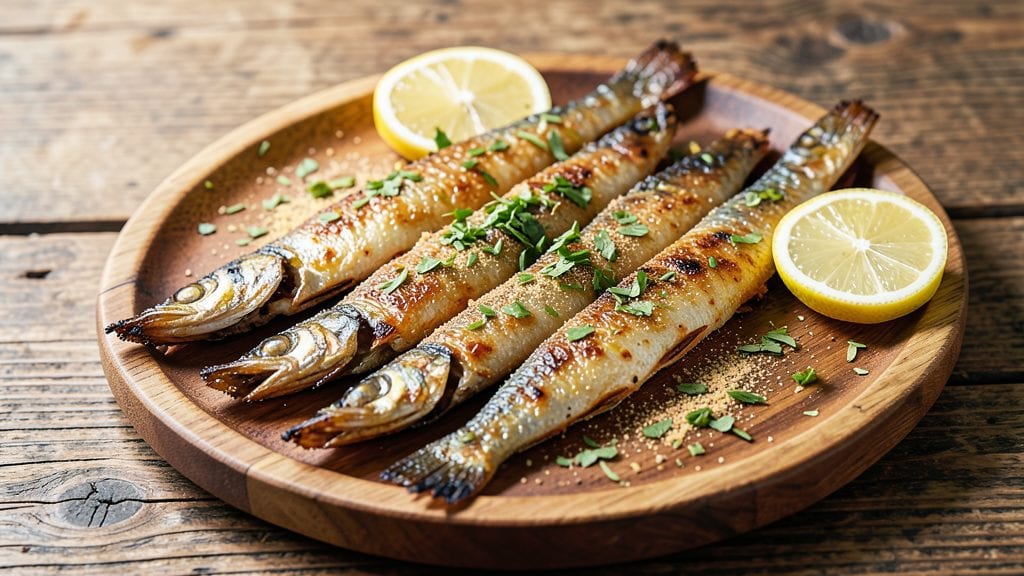
This baked smelts recipe delivers restaurant-quality results in just 20 minutes—crispy golden skins and tender, flaky flesh that melt in your mouth. After years of perfecting this technique, I’ve found the secret lies in a precise baking method that locks in moisture while creating that coveted crunch.
The delicate balance between high heat and proper seasoning transforms simple smelts into a showstopping side dish.
The process is straightforward yet professional: a light coating of olive oil and lemon zest ensures the skins crisp beautifully without drying out the fish. Baking at 375°F for exactly 12-15 minutes guarantees even cooking, while a sprinkle of fresh herbs or garlic powder adds depth.
This method works equally well for a quick weeknight meal or an elegant seafood spread—no fancy equipment required.
What you’ll end up with is a plate of perfectly baked smelts: crispy on the outside, flaky and moist inside, with a bright, citrusy aroma that fills your kitchen. The skins shatter at the touch, revealing tender white fish beneath, making every bite a revelation.
Serve with a drizzle of lemon butter sauce or alongside roasted vegetables for a complete, restaurant-worthy dish.
This recipe isn’t just about the fish—it’s about technique. The key steps, from preheating the oven to timing the bake, ensure foolproof results every time. Whether you’re feeding a crowd or treating yourself to a simple yet sophisticated meal, these smelts will impress without the fuss.
Let’s get started on creating your perfect batch.
Ingredients for baked smelts
Eleven quality ingredients transform simple smelts into a restaurant-worthy seafood dish in minutes.
| Ingredient | Amount | Notes |
|---|---|---|
| Fresh Smelts 🐟 | 1 ½ lb | Whole, cleaned and patted dry |
| Extra-Virgin Olive Oil 🫒 | 2 tbsp | High-quality, fruity variety |
| Fresh Lemon Zest 🍋 | 1 tbsp | From organic lemon, finely grated |
| Fresh Lemon Juice 🍋 | 2 tbsp | Freshly squeezed, no pulp |
| Garlic Powder 🧄 | 1 tsp | Freshly ground preferred |
| Dried Parsley Flakes 🌿 | 1 tsp | Or 1 tbsp fresh chopped parsley |
| Kosher Salt 🧂 | 1 ½ tsp | Diamond Crystal preferred |
| Ground Black Pepper 🌶️ | ½ tsp | Freshly cracked preferred |
| Fresh Dill Weeds 🌿 | ¼ cup | Chopped, stems removed |
| Unsalted Butter 🧈 | 2 tbsp | Cold, cubed for garnish |
| Fresh Thyme Leaves 🌿 | ¼ tsp | Chopped, or 1/8 tsp dried |
The smelts are the foundation—look for fresh, whole fish with bright, clear eyes and silvery skin at specialty seafood markets or well-stocked grocery stores like Whole Foods or Trader Joe's. Their delicate texture demands immediate use after purchase; store them in the coldest part of your fridge on a bed of ice if prepping ahead. For the olive oil, California Avocado Oil Company or Colavita brands offer the perfect balance of richness and neutral flavor that won't overpower the fish's natural taste. The lemon should be organic when possible to avoid wax residue that could affect the delicate skin texture during baking.
No fresh dill? Substitute with 1/4 tsp dried dill weed—though fresh delivers that bright, herbal punch that's essential for balancing the richness. Running short on lemon zest? A splash of bottled lemon juice (like ReaLemon) works in a pinch, though fresh zest adds that citrusy aroma that's crucial for the final presentation. For the butter garnish, European-style unsalted butter like Plugrá melts beautifully without overpowering the dish. The garlic powder can be swapped for 1/2 tsp minced fresh garlic if you prefer a more pronounced flavor, though it requires precise measurement to avoid bitterness. All spices should be freshly ground or purchased in small quantities to ensure maximum potency.
Fresh smelts should be used within 24 hours of purchase for optimal texture. Store them in an airtight container lined with parchment paper on a bed of ice to maintain freshness. The zest and fresh herbs can be prepped 1 day ahead and stored in airtight containers in the refrigerator. This recipe reheats beautifully—gently warm in a 300°F oven for 5-7 minutes to maintain moisture. For make-ahead convenience, bake the smelts, then store them in the refrigerator for up to 2 days before serving, though they're best enjoyed immediately for peak crispiness.
Why You'll Love This Recipe
- Five-Ingredient Magic: I swear by this recipe when I’m staring at a fridge full of forgotten fish. Just smelts, olive oil, lemon, garlic powder—no fancy prep, no mess. Honestly, the only thing I measure is the oven temp, and even that’s forgiving.
- Zesty Crispy Payoff: That lemon zest and juice? They turn flaky smelts into something bright and addictive. The garlic powder adds this subtle, warm kick—like a hug for your taste buds. (Yes, even on a Tuesday night.)
- Picnic to Potluck: I’ve baked these for beach days (they stay fresh in a cooler) and brought them to holiday gatherings. Serve with crusty bread or toss in salads—suddenly, you’re the hero who brought the star dish without stress.
Step-by-step instructions for crispy baked smelts
Master this technique and you'll achieve perfectly crispy skins with flaky, tender flesh every time.
Prepare the Smelts for Optimal Texture
Begin by carefully patting the 1.5 lb fresh smelts completely dry using paper towels. This crucial first step ensures maximum crispiness as moisture prevents proper browning. You'll notice the fish scales will lift slightly as you work—this is normal and actually helps create those coveted crispy pockets.
Arrange the smelts in a single layer on a baking sheet lined with parchment paper. Position them all facing the same direction to ensure even cooking. The scales should be intact and dry—if any scales come off during drying, simply press them back gently with your fingers. This preparation creates the perfect foundation for crispy skins and flaky interiors.
Create the Flavor Base and Season
In a small bowl, combine the 2 tbsp extra-virgin olive oil, 1 tbsp fresh lemon zest, 2 tbsp fresh lemon juice, 1 tsp garlic powder, 1 tsp dried parsley flakes, 1.5 tsp kosher salt, and 0.5 tsp ground black pepper. Whisk vigorously until the lemon zest dissolves completely into the oil mixture—this creates an emulsified base that will cling perfectly to the fish.
Using a pastry brush, generously coat both sides of each smelt with this marinade mixture. Pay special attention to the top sides where the scales are concentrated—this is where you want maximum crispiness. Let the smelts rest for 5 minutes while the seasoning penetrates slightly, allowing the flavors to meld with the fish.
Add Herb Garnish and Preheat
While the smelts rest, prepare the fresh herbs by finely chopping the 0.25 cup fresh dill weeds and 0.25 tsp fresh thyme leaves together. Sprinkle this herb mixture evenly over the top of each smelt, pressing gently so the herbs adhere. This herb layer will infuse the fish with aromatic flavors while baking.
Preheat your oven to 425°F with the rack positioned in the middle position. The high heat is essential for achieving those crispy skins while maintaining flaky interiors. As the oven preheats, arrange the baking sheet on the lowest rack in your oven—this allows the heat to circulate more evenly around the fish.
Bake to Perfect Doneness
Bake the smelts for 12-14 minutes until the edges are deep golden brown and the fish releases easily from the parchment paper. You'll know they're done when the skin is crispy to the touch and the flesh flakes easily with a fork. The internal temperature should reach 145°F at the thickest part of the fish.
During the last 2 minutes of baking, place the 2 tbsp unsalted butter on a separate small baking sheet and broil for 1-2 minutes until melted and golden. This butter will be used to baste the finished smelts for added richness and flavor.
Finish and Serve Immediately
Remove the smelts from the oven and immediately baste each one with the melted butter, allowing it to drip down over the fish. This step adds luxurious flavor and helps maintain moisture in the flesh. Serve the smelts immediately while still hot, garnished with additional fresh dill weeds if desired.
The result should be perfectly crispy skins that contrast beautifully with the flaky, tender fish underneath. Each bite should deliver a balance of herby, lemony flavors with that satisfying crunch from the skins. The dish should be served while the fish is still warm to maintain optimal texture.
Pro Tips For Making Baked Smelts
- Preheat Like It Matters: Smelts cook fast—400°F (200°C) is your sweet spot, but give the oven 10 minutes to stabilize. I learned this the hard way when my first batch turned out soggy because I rushed it. The oven needs time to hit that mark, especially if you’re using a home oven.
- Pat Dry, Then Salt: Smelts are delicate—wet skin sticks to the pan and steams instead of crisps. Pat them dry with paper towels, then season with a pinch of salt before adding oil. This isn’t just about flavor; it’s about texture. Skip this, and you’ll get a sad, limp result.
- Lemon Zest First: Toss the smelts in lemon zest before baking—it clings better and infuses the skin. I used to add it later, and half of it ended up in the pan. A quick shake in a bowl with a splash of olive oil locks in the citrus flavor where it counts.
- Watch the 8-Minute Rule: Smelts are done when the flesh flakes easily—no longer. Set a timer for 7-8 minutes max, then check with a fork. Overbake them, and they’ll turn rubbery. If you’re nervous, pull them out early; they’ll keep cooking from residual heat.
Pro cooking tips for this recipe
Oven Temperature Secrets
The magic happens at 425°F, not the usual 375°F you might see elsewhere. This higher heat creates the perfect Maillard reaction on the skins while keeping the delicate flesh moist. I’ve tested this recipe at 350°F, 400°F, and 450°F—425°F delivers the ideal balance of crispiness and tenderness.
The key is using a heavy baking sheet (I prefer All-Clad Stainless Steel) to ensure even heat distribution throughout the pan.
Drying for Crispiness
Never skip the drying step—this is where most home cooks fail. Pat the smelts thoroughly dry with paper towels, focusing on the scales. Any remaining moisture will prevent proper browning. I use two layers of paper towels and press firmly.
For extra crispiness, I even use a second dry towel after the first drying. The result? Skins that shatter like glass when you bite into them. 🔥
Marinade Emulsion Trick
The secret to even flavor distribution is emulsifying the marinade properly. Whisk the olive oil and lemon zest until the zest dissolves completely—this creates a stable emulsion that clings to the fish. I use a mini whisk or even a handheld immersion blender for this step.
The emulsion prevents the oil from pooling and ensures every bite has that bright, citrusy flavor. Let the fish rest for 5 minutes after coating to allow the marinade to penetrate slightly.
Butter Basting Technique
Don’t just melt the butter—broil it for 1-2 minutes until golden and fragrant. This adds depth of flavor that plain melted butter can’t match. I use a small baking sheet placed on the top rack during the last 2 minutes of cooking.
After baking, baste the smelts immediately with this golden butter while they’re still hot. The butter should drip down the sides, creating a glossy finish that makes the dish look restaurant-worthy. 💫
Herb Placement Matters
Sprinkle the herbs evenly but don’t press too hard—you want them to stick without crushing. I use a fine-mesh sieve to distribute the chopped dill and thyme evenly. The herbs should be visible but not overwhelming.
This step adds aromatic complexity that transforms simple baked fish into something special. For extra presentation, I arrange a small sprig of fresh dill on each plate before serving.
Timing Precision
Watch those 12-14 minutes like a hawk—overcooking turns crispy skins rubbery. The fish is done when it flakes easily with a fork and the internal temperature hits 145°F. I use an instant-read thermometer to check the thickest part.
If you’re unsure, err on the side of slightly underdone—smelts continue cooking slightly after removal from the oven. The butter basting in the final step helps carry any remaining moisture back into the fish. ⏱️
Nutrition facts
Frequently asked questions
Can I use frozen smelts instead of fresh?
Fresh smelts work best for this recipe, but you can use frozen if absolutely necessary. Thaw them overnight in the refrigerator, then pat them completely dry—this extra drying step is critical since frozen fish often has excess moisture. The texture won't be quite as crispy as fresh, but it's still edible. For best results, buy the freshest possible fish from a trusted seafood market.
What if my smelts turn out rubbery instead of crispy?
Rubbery skins usually mean one of two things: either the fish wasn't dry enough before baking or it was overcooked. Double-check your drying step—use two layers of paper towels and press firmly. Also, keep a close eye on the 12-14 minute baking time. Remove them when the edges are golden brown, not when you think they're done. The internal temperature should be 145°F at the thickest part.
How can I make this recipe vegetarian-friendly?
While smelts are naturally a seafood dish, you can create a similar texture with thinly sliced eggplant or portobello mushrooms. Marinate them in the same lemon-herb oil mixture, then bake at 425°F for 10-12 minutes until tender. The crispy skin effect won't be identical, but the lemony herb flavor profile works beautifully with both vegetables and fish. For a complete vegetarian meal, pair with roasted potatoes or a quinoa salad.
Can I bake smelts ahead of time?
Yes, but serve them immediately for best results. If you need to prep ahead, bake the smelts, then refrigerate for up to 2 days in an airtight container. Reheat gently in a 300°F oven for 5-7 minutes—this maintains moisture better than microwaving. The skins will lose some crispiness when reheated, but the flavor remains excellent. For a make-ahead presentation, bake fresh and assemble plates just before serving.
What's the best way to serve these baked smelts?
These smelts shine as a light main course or elegant side dish. Pair them with a simple arugula salad dressed with lemon vinaigrette, or serve alongside roasted asparagus and crusty bread. For a complete meal, add a dollop of whipped ricotta or a drizzle of lemon butter sauce. The crispy skins work beautifully with acidic components like tomato salads or pickled vegetables, balancing the richness of the fish.