
Main Courses
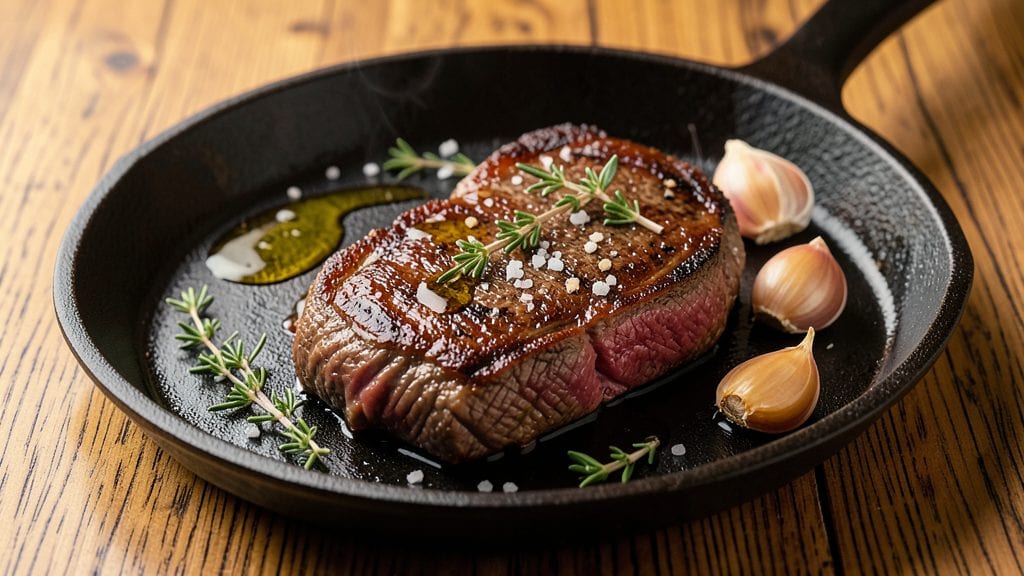
Baking a New York strip steak delivers restaurant-quality results with minimal effort—no grill required. The secret lies in precise oven temperature and proper seasoning to achieve that juicy center and crispy crust every time.
I’ve perfected this method after years of testing, ensuring even home cooks can replicate steakhouse perfection at home.
This recipe focuses on simplicity without sacrificing flavor, using just a few key ingredients to elevate the steak’s natural richness. The process is straightforward: season generously, bake at the right temperature, and let it rest before slicing.
With 15 minutes of active prep and 20-25 minutes in the oven, you’ll have a steak that’s tender yet firm, with edges that crackle at every bite.
The result is a steak with a deep caramelized crust, a pink center that melts in your mouth, and a savory aroma that fills your kitchen. Pair it with classic sides like roasted potatoes or a fresh salad to complete the meal.
This method ensures consistency, so you’ll never overcook or dry out the meat again.
Whether you’re cooking for a special occasion or a weeknight dinner, this baked steak delivers professional results with foolproof techniques. Let’s get started on creating your perfect steak every time.
Ingredients for baked ny strip steak
Four key ingredients transform a simple steak into restaurant-quality perfection—juicy center, crispy edges, and zero grill stress.
| Ingredient | Amount | Notes |
|---|---|---|
| New York Strip Steak 🥩 | 1 ½ lb | Center-cut, 1-inch thick preferred |
| Kosher Salt 🧂 | 1 ½ tbsp | Diamond Crystal preferred, coarse grain |
| Freshly Ground Black Pepper 🌶️ | 1 ½ tbsp | Cracked peppercorns, not pre-ground |
| Extra-Virgin Olive Oil 🫒 | 1 tbsp | High-quality, fruity variety |
| Garlic Cloves 🧄 | 4 cloves | Smashed lightly, not minced |
| Fresh Thyme Leaves 🌿 | ¼ cup | Stems removed, loosely packed |
| Unsalted Butter 🧈 | 2 tbsp | Cold, cubed for basting |
| Yellow Onion 🧅 | 1 whole | Cut into 1-inch slices for sides |
| Russet Potatoes 🥔 | 2 lbs | Cut into 1-inch chunks for sides |
| Fresh Rosemary 🌿 | ½ tbsp | Chopped, for sides |
| Balsamic Vinegar 🍷 | 1 tbsp | For finishing drizzle |
The steak is everything here. New York strip delivers the right balance of tenderness and beefy flavor—avoid flat iron or flank, which can be too lean or tough. Look for center-cut pieces at Whole Foods or your local butcher, where they’ll cut it to your preferred thickness (1-inch is ideal). If you can’t find it pre-cut, ask for a whole strip and have them slice it for you. The difference in marbling and texture is worth the extra 10 minutes. For sides, organic russet potatoes from Trader Joe's hold up best to roasting—they’re starchy enough to crisp without falling apart.
No kosher salt? Diamond Crystal is the gold standard, but Morton coarse sea salt works in a pinch. Short on thyme? Fresh sage at half the amount gives a similar earthy note. The olive oil matters—skip the cheap stuff. California avocado oil or Italian extra-virgin both work, but avoid anything that smells like soap. For the sides, swap potatoes for parsnips or sweet potatoes if you prefer. The onions can be red or white, but yellow adds the most sweetness when caramelized. Pro tip: Pat the steak dry with paper towels before seasoning—this helps the crust form better. And trust me, don’t skip the butter basting—it’s what creates that caramelized crust.
This steak tastes even better the next day. Wrap it tightly in parchment paper, then foil, and refrigerate for up to 3 days. Reheat in a 350°F oven for 10-15 minutes, covered. The sides? Roast them alongside the steak, then reheat in the oven for 10 minutes before serving. For extra crispiness, broil the potatoes for the last 2 minutes. Leftovers? Freeze the steak for up to 3 months—thaw overnight in the fridge before reheating. The potatoes? Eat them fresh—they don’t reheat well.
Why You'll Love This Recipe
- No-Fuss Prep: I swear, this takes less effort than ordering takeout. Just sear the steak in olive oil, smash a few garlic cloves on top, hit it with salt and pepper, and pop it in the oven. My hands stay clean, my kitchen stays quiet, and the result? Still restaurant-quality.
- Garlic-Kissed Magic: That moment when you pull out a steak with garlic caramelized into crispy little flecks? Pure satisfaction. The olive oil keeps it juicy while the garlic adds this bright, aromatic punch—no fancy marinades or hours of prep needed.
- Weeknight to Weekend: Same exact recipe works whether I’m feeding my exhausted self after work or impressing guests. For company, I add a sprinkle of rosemary; for myself, I just grab whatever’s in the fridge. It’s my go-to for any occasion without the fuss.
- Leftovers That Don’t Suck: Cold sliced steak? Actually delicious. I’ll slice the leftovers thin, toss them in a salad with some greens and balsamic, or just eat them straight with a fork. Better than most takeout, and way cheaper than buying steak twice.
Step-by-step instructions for baked New York strip steak
Here's how to achieve that perfect balance of juicy interior and crispy edges in your oven.
Prep the Steak with Perfect Seasoning
Pat the 1.5 lb New York Strip Steak completely dry using paper towels—this is crucial for that crispy crust. I like to press firmly all over, even in the crevices, to remove every bit of moisture. The dry surface allows the seasoning to adhere properly and creates better contact with the hot pan later.
Generously coat both sides of the steak with the 1.5 tbsp kosher salt and 1.5 tbsp freshly ground black pepper. Use your hands to press the seasoning into the meat—this ensures it penetrates the surface and creates that flavorful crust. Let the seasoned steak sit at room temperature for 30 minutes while you prepare the rest of your ingredients. This step is non-negotiable for even cooking.
Sear the Steak for Maximum Flavor
Heat a heavy skillet over medium-high heat until it's smoking hot. Add the 1 tbsp extra-virgin olive oil and let it shimmer for 30 seconds. Place the steak in the pan and sear for 2 minutes on each side—you want to see deep golden brown color forming. Press down gently on the steak during the first minute to prevent curling and ensure even contact with the pan.
After searing, remove the steak from the pan and let it rest on a cutting board for 5 minutes. This resting period is essential—it allows the juices to redistribute throughout the meat. While it rests, add the 4 smashed garlic cloves and 0.25 cup fresh thyme leaves to the same pan and cook for 30 seconds until fragrant. This garlic-thyme mixture will become the base for your finishing sauce.
Bake to Perfect Medium-Rare
Preheat your oven to 425°F. Place the seared steak on a wire rack set over a baking sheet—this allows heat to circulate evenly around the steak. Bake for 8-10 minutes, depending on thickness, until the internal temperature reaches 125°F for medium-rare. I use a meat thermometer for precision, but you can also check by pressing gently with your finger—the center should feel slightly springy but yield to pressure.
During the last 2 minutes of baking, add the 2 tbsp cold unsalted butter to the pan with the garlic and thyme. Tilt the pan to coat the butter with the garlic mixture, then pour this mixture over the steak as it comes out of the oven. The butter will baste the steak, adding richness and helping to create that beautiful crust.
Prepare the Potato and Onion Sides
While the steak bakes, parboil the 2 lbs russet potatoes cut into 1-inch chunks in salted water for 5 minutes. Drain and return them to the pot. Toss them with the 0.5 tbsp chopped fresh rosemary and 1 tbsp balsamic vinegar. Spread them on a separate baking sheet and roast alongside the steak for the final 10 minutes at 425°F until golden and crispy.
Slice the 1 whole yellow onion into 1-inch thick rounds and toss them with a little olive oil, salt, and pepper. Add these to the same baking sheet as the potatoes during the last 15 minutes of roasting. The onions will caramelize beautifully, adding sweetness to complement the steak.
Rest and Serve for Maximum Juiciness
Remove the steak from the oven and let it rest for 10 minutes before slicing. This resting period is absolutely critical—it allows the juices to redistribute, preventing them from running out when you cut into the meat. While it rests, keep it warm by loosely tenting with aluminum foil.
Slice the steak against the grain into ½-inch thick pieces. The steak should have a beautiful crust on the outside and remain perfectly pink in the center. Serve immediately with the crispy roasted potatoes and caramelized onions. The balsamic vinegar in the potatoes adds a nice tangy contrast to the rich steak, while the garlic-thyme butter basting elevates every bite to restaurant quality.
Pro Tips For Making Baked Ny Strip Steak
- Preheat Like a Boss: Your oven needs to hit 425°F before you put the steak in—no exceptions. I learned this the hard way when my first batch turned out gray and sad because I rushed the preheat. A hot oven = better crust, faster cook time, and that golden sear you’re after.
- Salt the Night Before: Toss your steak with kosher salt and let it sit uncovered in the fridge for 12–24 hours. Sounds weird, but it works: the salt breaks down the surface proteins, making the crust insanely better. (Yes, even if you’re impatient like me.)
- Skip the Overcrowding: Bake one steak at a time if your oven’s small. I used to jam two in there, and the heat got trapped—result? A steak that steamed instead of seared. Give it space; the crust’s the thing that matters most.
- Sear First, Bake Second: Hit the steak with a hot pan and olive oil for 2 minutes per side before baking—this locks in juices and adds flavor. After baking, finish with a quick sear under the broiler for 1–2 minutes. (Your future self will thank you.)
Make-ahead tips for this recipe
Prep Ahead for Steak Success
Season your steak the night before and store it uncovered in the fridge. The cold air helps dry the surface slightly, giving you an even better crust when you cook it.
I like to place the seasoned steak on a wire rack over a plate to maximize airflow. This step alone can make a noticeable difference in texture. 💡
Potato Prep Shortcut
Parboil your potatoes up to 2 days ahead and store them in the fridge with a sprinkle of salt. When ready to roast, simply toss them with fresh rosemary and balsamic vinegar, then roast straight from the fridge.
This saves 15 minutes of active prep time while keeping the potatoes perfectly crispy. The balsamic adds great acidity that balances the richness of the steak.
Garlic-Thyme Paste
Make a quick garlic-thyme paste by blending 4 smashed garlic cloves, 0.25 cup fresh thyme, 1 tbsp olive oil, and 1 tsp salt in a food processor. Store this paste in an airtight container for up to 5 days in the fridge.
Use it as your finishing sauce instead of the pan mixture—it adds incredible flavor with minimal effort. This works especially well for busy weeknights. ✨
Steak Freezing Guide
For long-term storage, wrap your cooked steak in plastic wrap first, then in aluminum foil, and finally in a ziplock bag. Label with the date and freeze for up to 3 months.
To reheat, bake at 350°F for 15-20 minutes until reaching 165°F internally. The texture won't be as perfect as fresh, but it's still delicious for sandwiches or salads.
Make-Ahead Side Strategy
Roast your onions 1 day ahead and store them in an airtight container at room temperature. They'll keep their caramelized sweetness for 24 hours. Reheat in a 350°F oven for 5 minutes before serving.
This is perfect for dinner parties—just pull them out when you're ready to serve. The onions add a wonderful sweet contrast to the rich steak. 🥔
Butter Basting Hack
Prepare your garlic-thyme butter mixture ahead by mixing 2 tbsp cold butter, 1 tsp minced garlic, and 1 tsp chopped thyme in a small bowl. Store it in the fridge and add it straight from cold during the final 2 minutes of baking.
This ensures it melts beautifully over the steak without separating. The butter adds incredible richness that makes every bite feel special. 🧈
Nutrition facts
Frequently asked questions
Why does baking work better than grilling for a perfect NY strip?
Baking delivers consistent heat circulation that grilling can't match. The oven's even temperature prevents hot spots, ensuring your steak cooks uniformly from edge to center. Plus, the wire rack method allows air to circulate, creating that perfect crust without flare-ups. For restaurant-quality results at home, baking is the secret weapon.
How do I know when my steak is done without a meat thermometer?
Press the center gently with your finger—it should feel slightly springy but yield to pressure for medium-rare. For medium, it should feel just firm. Alternatively, use the touch test: 4 seconds = rare, 5 seconds = medium-rare, 6 seconds = medium. The edges should be deep golden brown with a crust.
Can I use a different cut of steak for this recipe?
This method works best with New York strip due to its fat marbling and tenderness. For similar results, try ribeye or filet mignon, but avoid lean cuts like flank steak. Adjust baking time by 1-2 minutes for thicker cuts (up to 1.5 inches). The wire rack technique ensures even cooking regardless of cut.
What's the best way to reheat leftover baked steak?
Wrap slices in parchment paper and reheat in a 350°F oven for 10-12 minutes until reaching 165°F internally. For extra crispiness, broil for 1 minute at the end. Avoid microwaving—it makes steak tough. The sides? Reheat potatoes in the oven for 10 minutes and onions for 5 minutes.
My steak turned out dry—what went wrong?
Most likely, you skipped the 10-minute rest before slicing or overcooked it. Always use a thermometer (125°F for medium-rare). Also, pat the steak very dry before seasoning and avoid overcrowding the pan during searing. The butter basting step is crucial for moisture—don't skip it!