
Main Courses
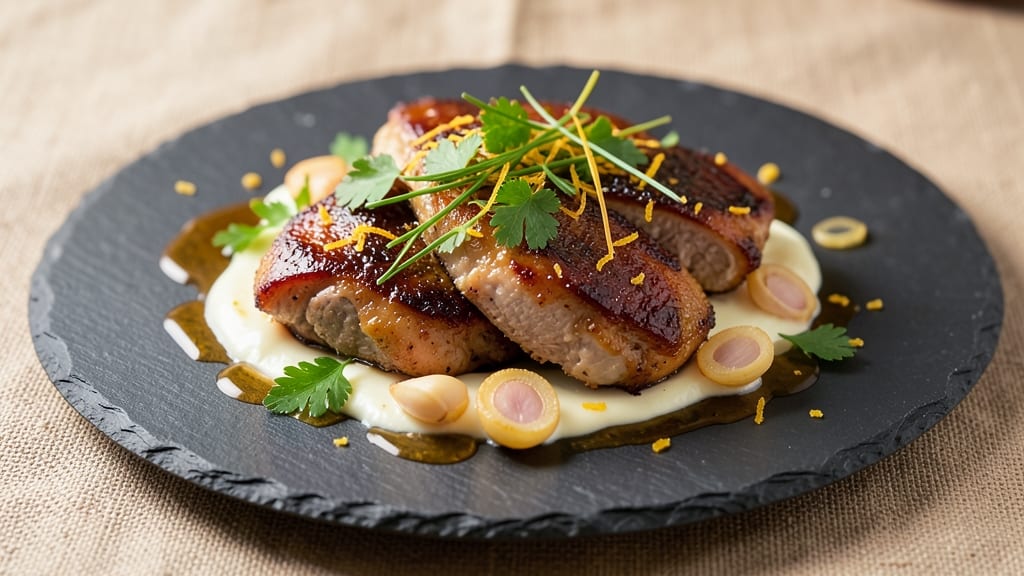
Baked chicken livers transform from gamey to luxurious when you master this pan-seared and baked technique with herbed butter. The secret lies in proper preparation—soaking removes bitterness while a quick sear builds that coveted crispy crust before finishing in the oven. I developed this method after years of experimenting with different cooking approaches, and it consistently delivers restaurant-quality results at home.
What sets this recipe apart is the balance of textures: crispy edges from the pan-searing meet tender interiors after baking, all blanketed in rich herbed butter that infuses every bite.
The process requires just 20 minutes of active prep and 15 minutes of cooking time, making it perfect for weeknight dinners when you want something elevated without the fuss. This technique works equally well with fresh or frozen livers, as long as you follow the proper preparation steps.
The final result is a dish that's bold in flavor yet refined in presentation—golden-brown livers with a caramelized crust that gives way to moist, flavorful meat. The herbed butter adds layers of aroma that will have your kitchen smelling like a French bistro.
Serve with a simple arugula salad or crusty bread to soak up the remaining sauce, and you've got a meal that feels special without requiring hours in the kitchen.
This method also doubles as a versatile foundation—swap the herbed butter for garlic-parsley or spicy chili versions to suit different occasions. The key is patience during the preparation and confidence in the cooking process. Let's get started on creating chicken livers that will impress even the most skeptical guests.
Ingredients for baked chicken livers
Transform gamey chicken livers into luxurious bites with this precise pan-seared and baked technique.
| Ingredient | Amount | Notes |
|---|---|---|
| Fresh Chicken Livers 🍗 | 1 lb | Trimmed of connective tissue |
| Unsalted Butter 🧈 | ½ cup | Cold, cubed for herbed butter |
| Fresh Parsley 🌿 | ¼ cup | Finely chopped, stems included |
| Fresh Tarragon 🌿 | 2 tbsp | Chopped, or substitute thyme |
| Garlic Cloves 🧄 | 3 cloves | Minced, for herbed butter |
| Lemon Zest 🍋 | 1 tbsp | From 1 organic lemon |
| Diamond Crystal Kosher Salt 🧂 | 1 ½ tsp | For soaking and seasoning |
| Freshly Ground Black Pepper 🌶️ | ½ tsp | Cracked peppercorns preferred |
| Extra-Virgin Olive Oil 🫒 | 1 tbsp | For pan-searing |
| Dry White Wine 🍷 | ¼ cup | Sauvignon Blanc preferred |
| Heavy Cream 🥛 | ¼ cup | Full-fat for richness |
| Fresh Thyme Leaves 🌿 | 1 tbsp | Chopped, for pan deglazing |
The quality of chicken livers makes all the difference—look for bright red, moist livers at your local butcher shop or specialty market. Costco and Whole Foods typically carry them pre-packaged, but ask for the freshest cut available. Trim any connective tissue immediately upon purchase, as it contributes to bitterness. For frozen livers, thaw them in cold water with a splash of lemon juice to preserve texture. The herbed butter requires high-quality ingredients: European-style unsalted butter (like Plugrá) and fresh herbs—tarragon elevates the flavor, but fresh thyme works well as a substitute. Store fresh livers in an airtight container lined with parchment paper for up to 2 days in the refrigerator.
No tarragon? Fresh thyme or marjoram at the same quantity delivers comparable earthy notes. Substitute the white wine with chicken stock or additional lemon juice if unavailable, but the acidity balance is critical. For a richer finish, replace the heavy cream with an equal amount of crème fraîche or mascarpone. The olive oil should have a peppery finish—avoid mild varieties that lack character. If using frozen livers, soak them in cold milk or buttermilk for 30 minutes before cooking to further neutralize bitterness. The kosher salt is essential for both the soaking solution and final seasoning—Diamond Crystal dissolves cleanly without overpowering.
Herbed butter maintains peak flavor when stored in a sealed container with parchment between layers for up to 5 days in the fridge or 3 months in the freezer. Leftover livers reheat beautifully in a 350°F oven for 8-10 minutes until warmed through, though texture softens slightly. Portion the herbed butter into 1-tablespoon servings for easy melting over finished livers. The wine reduction keeps for 1 week refrigerated—strain out herbs before storing for clarity. For optimal presentation, serve immediately after baking while the crust remains crisp.
Why You'll Love This Recipe
- No-Fuss Prep: I swear by this—just trim the livers, toss them in butter and herbs, and pop them in the oven. No chopping, no fuss, just 20 minutes of hands-off baking while you stir a pot of pasta or toss a salad.
- Herb-Packed Punch: That combo of tarragon and parsley? It’s like a little French bistro on your plate. The garlic gives it depth, but the butter keeps it rich without being heavy—crispy edges, tender inside, and a flavor that lingers.
- Leftovers Reinvented: Make a double batch and store them in the fridge. Reheat in a skillet with a splash of broth for crispy, savory bites—perfect on toast, in scrambled eggs, or even stuffed into sandwiches. (Yes, I’ve done all three.)
- Budget Powerhouse: Chicken livers are cheap, but they feel like a splurge. A pound feeds four, and the butter and herbs stretch the flavor so you won’t miss expensive cuts. Honestly, it’s my go-to when I want something special without breaking the bank.
Step-by-step instructions for baked chicken livers with herbed butter
This method delivers restaurant-quality chicken livers with crispy exteriors and tender interiors.
Prepare and Soak the Chicken Livers
Rinse the 1 lb fresh chicken livers under cold water and pat them completely dry with paper towels. This step is crucial—any moisture will prevent proper browning. Trim away any visible connective tissue or silver skin using a sharp knife. I like to make a small slit in each liver to help them flatten evenly during cooking.
In a bowl, combine the livers with 1.5 tsp diamond crystal kosher salt, 0.5 tsp freshly ground black pepper, and 1 tbsp lemon zest. Add 0.25 cup dry white wine and gently toss to coat. Let the livers soak for 15-20 minutes at room temperature. This marinade tenderizes the meat and infuses it with bright citrus notes. Don't skip this step—it makes all the difference in texture and flavor.
Create the Herbed Butter
In a small bowl, combine the 0.5 cup unsalted butter (cold and cubed) with the 0.25 cup finely chopped fresh parsley, 2 tbsp chopped fresh tarragon, 3 minced garlic cloves, and 1 tbsp chopped fresh thyme leaves. Use your fingers or a fork to work the herbs into the butter until evenly distributed. The mixture should resemble coarse breadcrumbs with butter flecks.
Form the herbed butter into a log by pressing it into a 4-inch-long cylinder shape. Wrap it tightly in plastic wrap and chill for 15 minutes while you prepare the livers. This keeps the butter firm enough to slice cleanly later. The herbs will release their aromatic oils into the butter, creating a flavorful compound that complements the livers perfectly.
Pan-Sear the Chicken Livers
Heat a large skillet over medium-high heat until hot. Add 1 tbsp extra-virgin olive oil and swirl to coat the pan evenly. Working in batches to avoid crowding, add the soaked livers in a single layer. Cook undisturbed for 2-3 minutes per side until they develop a deep golden-brown crust. You'll see the edges curl slightly—that's your signal to flip.
Once browned on both sides, transfer the livers to a plate and tent loosely with foil to keep warm. The internal temperature should reach 145°F when checked with an instant-read thermometer. If any livers release blood during cooking, wipe them clean with a paper towel—this ensures a clean presentation. The searing step is critical for developing that coveted crispy exterior while keeping the interiors tender.
Finish with Herbed Butter and Wine Sauce
Return the skillet to medium heat and add the chilled herbed butter log. Let it melt slowly, stirring occasionally, for 1-2 minutes until the butter is fully incorporated and the pan juices begin to bubble. Pour in the remaining 0.25 cup dry white wine and scrape up any browned bits from the bottom of the pan with a wooden spoon. This deglazing step captures all the flavorful fond.
Simmer the sauce for 2-3 minutes until it reduces slightly and coats the back of a spoon. Stir in the 0.25 cup heavy cream and let it warm through. The sauce should be velvety with a rich, herby aroma. Taste and adjust seasoning with additional salt or pepper if needed. The livers are ready to be finished in this luxurious sauce.
Assemble and Serve
Return the seared livers to the skillet and spoon the herbed butter and wine sauce over them. Toss gently to coat, then transfer to serving plates. The livers should be glistening with sauce and maintain their golden-brown color. Garnish with additional finely chopped fresh parsley for a pop of color and freshness.
Serve immediately while the livers are still warm and the sauce is at its peak consistency. Each bite should deliver a perfect balance of crispy exterior, tender interior, and rich herbed butter sauce. This dish pairs beautifully with crusty bread or roasted potatoes to soak up every last drop of that luxurious sauce.
Pro Tips For Making Baked Chicken Livers
- Trim the Gall Bladders: Chicken livers hide tiny green sacs (gall bladders) that turn bitter—pop them open with your thumb before washing. I learned this the hard way after serving a batch that tasted like soap. Rinse them after trimming, not before, or they’ll leak and ruin your butter.
- Sear First, Bake Second: Skip baking straight from cold—pat livers very dry, then sear them in a screaming-hot pan for 30 seconds per side until browned. This locks in flavor and prevents them from turning to mush in the oven. (Yes, even if you’re impatient like me.)
- Don’t Overcrowd the Pan: If your livers are packed too tight, they’ll steam instead of brown. Work in batches—two minutes max per side—so they get that crispy edge. I used to rush this and ended up with sad, pale livers. Trust me, it’s worth the wait.
- Use Cold Butter: Toss the livers in cold cubed butter right before baking—it melts slowly and bastes them perfectly. Warm butter? It’ll pool at the bottom, leaving your livers dry. (And yes, this is the thing that makes the difference between "meh" and "wow.")
Make-ahead tips for leftovers
Prep Ahead Strategy
The herbed butter can be made up to 2 days in advance—just store it wrapped in parchment between layers in an airtight container. This saves 15 minutes of prep time on cooking day. I like to make a double batch for future use on steaks or grilled fish.
The wine reduction also keeps well in the fridge for 1 week, so you can prepare it separately and reheat gently before using. 💡
Soaking Solution Prep
Prepare the lemon-wine soaking marinade the night before and store it in a sealed container. The acidity works best when the livers soak for 12-24 hours in the fridge—this extra time breaks down more connective tissue.
I add 1 tsp additional lemon zest to the marinade when prepping ahead for brighter flavor. Just remember to bring the livers to room temperature before cooking to ensure even searing. ❄️
Partial Cooking Method
For maximum convenience, sear the livers completely through (until 145°F internal temperature) and store them in an airtight container with the herbed butter sauce. Reheat in a 350°F oven for 8-10 minutes until warmed through. The crust will soften slightly but remains flavorful.
This works especially well for meal prep—just finish with fresh parsley and serve. The sauce can be reheated separately on the stovetop over low heat until just warmed. 🔥
Freezer-Friendly Prep
Fully cooked livers freeze beautifully for up to 3 months. After searing and baking, let them cool completely, then portion into single-serving airtight containers with a spoonful of herbed butter.
When ready to eat, thaw overnight in the fridge and reheat in a skillet with a splash of water or wine to restore moisture. The texture won't be as crispy as fresh, but the flavor remains rich and satisfying. 🧊
Sauce Storage Tips
If you make the wine-cream sauce ahead, store it separately from the livers. Reheat the sauce alone over medium-low heat until just warmed through—never boil, or it will curdle. I like to strain out any herbs before storing for a cleaner presentation.
For extra richness, add 1 tbsp cold butter while reheating to restore body. This sauce also works beautifully over scrambled eggs or mashed potatoes for a luxurious breakfast. 🍳
Assembly Shortcuts
For the fastest assembly, keep the herbed butter at room temperature before slicing. Pre-slice the butter into ¼-inch thick rounds and store them between parchment in the fridge. When ready to cook, simply melt these rounds directly in the pan with the livers for instant flavor infusion.
This eliminates the need to chill and shape butter logs on cooking day. The pre-sliced butter also melts more evenly for consistent coverage. ✨
Nutrition facts
Frequently asked questions
Why do chicken livers need soaking before cooking?
Soaking removes natural bitterness and tenderizes the dense muscle tissue. The 15-20 minute lemon-wine soak also infuses bright citrus notes that balance the rich flavor. Skipping this step often results in a gamey taste and tough texture. For extra tenderness, soak overnight in the fridge with 1 tsp additional lemon zest.
Can I use frozen chicken livers in this recipe?
Yes, but thaw them properly first. Soak frozen livers in cold water with 1 tbsp lemon juice for 30 minutes to preserve texture. Pat completely dry before using—any moisture prevents proper browning. The soaking solution helps neutralize bitterness that develops during freezing. Never microwave frozen livers to thaw.
What's the best way to reheat leftover chicken livers?
Reheat in a 350°F oven for 8-10 minutes until warmed through. For extra crispiness, sear briefly in a hot skillet with 1 tbsp olive oil for 1-2 minutes per side. The sauce can be reheated separately over low heat—never boil, or it will curdle. Add 1 tbsp cold butter while reheating to restore richness. The texture won't be as crisp as fresh, but the flavor remains excellent.
What herbs can I substitute if I don't have tarragon?
Fresh thyme or marjoram work best at the same quantity. For a stronger flavor, use 1 tbsp fresh thyme plus 1 tsp dried thyme. Avoid oregano—it's too strong. The herbed butter will still be delicious, though the anise-like tarragon notes will be missing. Dried herbs should be added to the butter mixture after it melts for better flavor infusion.
How do I know when chicken livers are fully cooked?
Use an instant-read thermometer—they're done at 145°F internal temperature. The edges should be deep golden-brown with slight curling. If any livers release blood during cooking, wipe them clean with a paper towel for a professional presentation. Overcooking makes them tough, so remove them just before reaching 145°F and let them rest briefly.