Side Dishes
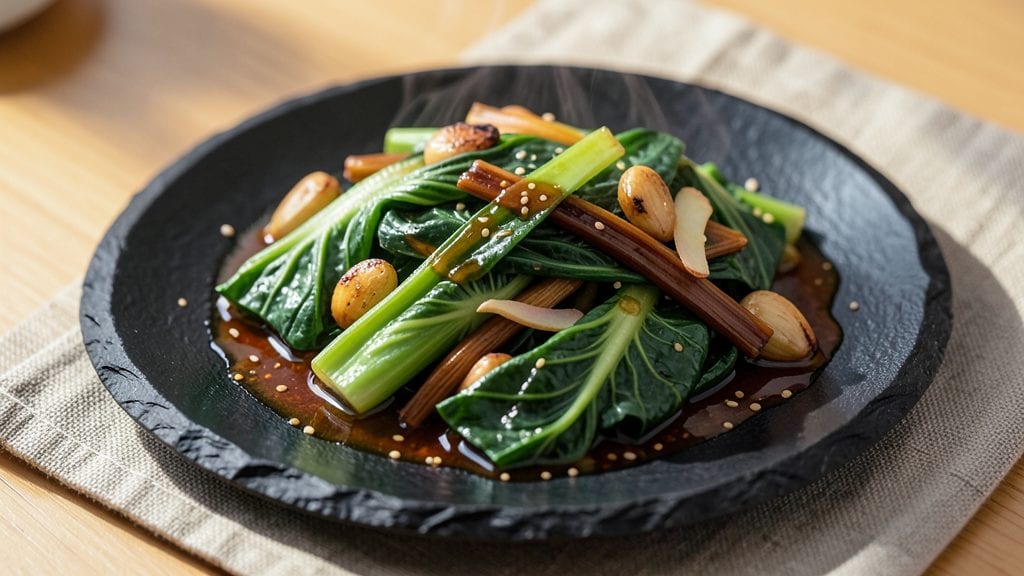
This bak choy recipe delivers crisp-tender stir-fried greens in just 15 minutes, proving that quick sides can be restaurant-quality. The secret lies in high-heat cooking and precise timing—no soggy leaves here. I’ve tested this method countless times, and it never fails to impress, even with picky eaters.
What makes this recipe work is the balance of texture and flavor: crisp-tender edges from the wok, savory garlic, and a touch of umami from soy sauce. The dish comes together faster than takeout but tastes far superior.
Perfect for weeknight dinners or meal prep, this stir-fry pairs beautifully with proteins like grilled chicken or shrimp.
By the time you’re done, you’ll have vibrant green bak choy with slightly charred edges and a satisfying snap. The aroma of garlic and ginger fills the kitchen, signaling a side dish that’s both simple and impressive. This method ensures tender greens every time, no matter your skill level.
Serve as a standalone side or part of a larger meal—either way, this recipe transforms a humble vegetable into a standout dish. Let’s get cooking with a technique that’s foolproof and delicious.
Ingredients for bak choy
High-heat cooking and precise timing transform humble bak choy into crisp-tender restaurant-quality bites in minutes.
| Ingredient | Amount | Notes |
|---|---|---|
| Bak Choy 🥬 | 1 lb | Whole heads, stems trimmed |
| Extra-Virgin Olive Oil 🫒 | 2 tbsp | High smoke point preferred |
| Garlic Cloves 🧄 | 4 cloves | Minced, for aromatic base |
| Fresh Ginger 🌿 | 1 ½ tbsp | Grated, finely minced |
| Low-Sodium Soy Sauce 🥢 | 2 tbsp | For umami depth |
| Sesame Oil 🫒 | 1 tsp | Toasted, for aroma |
| Brown Sugar 🍚 | 1 tbsp | Light or dark variety |
| Lime Juice 🍋 | 1 ½ tbsp | Freshly squeezed |
| Red Pepper Flakes 🌶️ | ½ tsp | Adjust for heat preference |
| Salt 🧂 | ½ tsp | Diamond Crystal preferred |
| Black Pepper 🌶️ | ¼ tsp | Freshly ground preferred |
| Sesame Seeds 🌾 | 1 tsp | Toasted, for garnish |
| Lime Zest 🍋 | 1 tsp | From 1 lime, finely grated |
The bak choy selection matters—vibrant green heads with crisp stems indicate freshness. Asian markets often carry the best quality, but most grocery stores stock it too. Look for firm, tightly packed leaves with no yellowing. If you can't find whole heads, baby bok choy works in a pinch, but the texture won't be identical. The stems should snap when bent, not feel mushy. For optimal results, use bak choy within 3-4 days of purchase, stored in a sealed container in the fridge.
No sesame oil? Toasted peanut oil adds a similar nutty depth, though the flavor profile shifts slightly. The brown sugar can be swapped for honey or coconut sugar, though it may alter the caramelization. If you're avoiding sugar entirely, omit it and increase the soy sauce by 1 teaspoon instead. For extra heat, substitute the red pepper flakes with fresh chili slices or a dash of Sichuan peppercorn powder. The lime juice is essential for brightness—bottled versions work, but freshly squeezed delivers superior acidity and aroma.
Prep the bak choy just before cooking to maintain crispness. Store any leftovers in an airtight container for up to 2 days, though the texture will soften. This dish reheats beautifully in a wok or skillet over medium heat with a splash of water. For meal prep, divide into single portions and freeze for up to 1 month. Thaw overnight in the fridge before reheating. The sesame seeds should be toasted in a dry pan for 30 seconds until fragrant before using.
Why You'll Love This Recipe
- One-Pan Magic: I swear by this recipe—just toss the bak choy, minced garlic, and ginger in a hot pan with olive oil, and let the soy sauce work its savory spell. No chopping boards, no extra pots, just pure, unfussy satisfaction.
- Umami Bomb: That low-sodium soy sauce and fresh ginger combo? It’s the secret weapon—crispy edges on the bak choy with a silky center, all wrapped in a punch of aromatic garlic. Honestly, I’ve tried other stir-fry recipes, but this one sticks with me.
- Lunchbox Hero: Between us, this is my go-to for meal prep. Cook a big batch on Sunday, and you’ve got a week’s worth of quick lunches—just reheat and serve. My kids (yes, even the picky one) grab it straight from the fridge.
- Budget Crunch-Saver: A single bunch of bak choy and a few pantry staples feed four for under $5. I’ll be real: it’s the kind of recipe that makes me feel like I’m treating myself without breaking the bank. Plus, leftovers taste just as good the second time around.
Step-by-step instructions for stir-fried bak choy
Here's how to achieve perfectly crisp-tender bak choy with vibrant flavor in record time.
Prepare the Bak Choy and Aromatics
Begin by separating the bak choy leaves from their stems. Trim the thick stems into 1-inch pieces and set aside. For the leaves, remove any wilted outer leaves and roughly chop the remaining leaves into 2-inch wide strips. This size ensures even cooking and maximum tenderness.
In a small bowl, combine the 4 cloves minced garlic cloves, 1.5 tablespoons finely minced fresh ginger, 0.5 teaspoon salt, and 0.25 teaspoon black pepper. Set this aromatic mixture aside - it will form the flavor foundation of your stir-fry. The ginger and garlic should be minced finely enough to dissolve completely into the oil during cooking, ensuring even flavor distribution.
Stir-Fry the Stems and Aromatics
Heat a large wok or skillet over medium-high heat until it's very hot. Add 2 tablespoons extra-virgin olive oil and allow it to shimmer for 30 seconds. Add the trimmed bak choy stems and stir-fry for 2-3 minutes until they begin to soften and develop a slight golden color.
Add the prepared aromatic mixture to the wok and stir continuously for 30 seconds until the garlic becomes fragrant and the ginger loses its raw bite. This quick cooking time prevents the aromatics from burning while extracting their maximum flavor. You'll notice the oil will bubble vigorously - this indicates proper heat control. If the oil starts to smoke excessively, reduce the heat slightly to maintain control.
Cook the Leaves and Build the Sauce
Add the chopped bak choy leaves to the wok in batches, stirring constantly to prevent overcrowding. Cook for 2-3 minutes until the leaves begin to wilt and turn vibrant green. The leaves should maintain their structure while becoming tender - they should still offer slight resistance when pierced with a fork.
In a small bowl, whisk together 2 tablespoons low-sodium soy sauce, 1 tablespoon brown sugar, 1.5 tablespoons lime juice, and 0.5 teaspoon red pepper flakes. Pour this sauce over the bak choy and stir vigorously for 1 minute until the sauce coats the vegetables evenly. The sugar will help caramelize slightly, adding depth to the flavor profile while balancing the acidity from the lime juice.
Finish with Sesame and Garnish
Reduce the heat to medium and add 1 teaspoon sesame oil to the wok. Stir for 30 seconds to distribute the oil evenly throughout the dish. The sesame oil will add a nutty aroma and help create a glossy finish. Immediately remove the wok from heat and stir in 1 teaspoon toasted sesame seeds and 1 teaspoon lime zest.
Transfer the stir-fried bak choy to serving plates and allow it to rest for 2 minutes before serving. This brief rest period allows the flavors to meld together while maintaining the crisp-tender texture. The dish should be served immediately, as the vibrant colors and textures will begin to fade once removed from the heat. The perfect stir-fry delivers a balance of textures - crisp stems, tender leaves, and a glossy sauce that clings to each bite.
Pro Tips For Making Bak Choy
- Trim the Roots First: Cut the thick white roots off the bak choy stems before washing—it speeds up cooking and keeps the greens tender. I used to ignore this, and my bak choy always ended up mushy in the middle.
- Use Cold Oil: Add your olive oil to the pan after it’s smoking hot, not before. Cold oil burns easily, and you’ll lose that bright, nutty aroma that makes this dish sing. (Yes, even if you’re impatient like me.)
- Salt the Ginger: Toss your julienned ginger with a pinch of salt before adding it to the pan—it softens faster and releases flavor immediately. My grandmother swore by this, and she was right: it cuts down on cooking time by 30 seconds.
- Stir Less, Sear More: Let the bak choy hit the pan in one spot for 10–15 seconds before stirring—this gives it those crisp-tender edges. I learned this the hard way after ending up with sad, limp greens every time.
Essential equipment for great bak choy
Wok Essentials
Your wok is the star of this recipe—opt for a carbon steel wok (like Made In wok) for superior heat distribution and that classic stir-fry sear. If you don’t have one, a heavy-bottomed stainless steel skillet (such as All-Clad) works well too.
Preheat your wok over high heat for 2-3 minutes before adding oil to ensure even cooking and prevent sticking. 🔥
High-Heat Tools
A tongs set (I love OXO Good Grips) is essential for tossing the bak choy without crushing it. Pair it with a sharp chef’s knife (like Mac Knife) for quick prep—you’ll need it to trim stems and chop leaves efficiently.
A fine-mesh strainer helps rinse and drain the greens if needed, though this recipe skips washing to preserve natural oils.
Sauce Prep Kit
Gather small bowls for your sauce components: a mini whisk (such as Norpro) for emulsifying the soy-lime mixture, and a microplane for zesting lime and grating ginger. A small measuring spoon set ensures precise amounts of red pepper flakes and sesame seeds—critical for balancing heat and aroma. 🌶️
Optional Upgrades
For extra flavor, a garlic press (like OXO) speeds up mincing, and a sesame oil infuser (or even a dry pan) toasts seeds perfectly. A digital thermometer (such as ThermoWorks) helps monitor wok heat—aim for 450-500°F for ideal stir-fry temps.
These tools aren’t mandatory but elevate the dish to restaurant-level quality.
Nutrition facts
Frequently asked questions
Can I use baby bok choy instead of whole heads?
Yes, but the texture will differ slightly. Baby bok choy cooks faster and stays more tender, so reduce cooking time to 1-2 minutes after adding leaves. For a similar crisp-tender result, stir-fry whole baby bok choy heads (trimmed) until the outer leaves wilt and stems soften. The flavor remains identical—just adjust timing to avoid overcooking.
How do I make this recipe spicier?
Double the red pepper flakes to 1 teaspoon or add 1-2 sliced Thai chilies during the final stir. For deep heat, swap the sesame oil with chili oil (1 tsp) after cooking. Always taste first—spice levels vary by chili type. A dash of Sichuan peppercorn powder (¼ tsp) adds numbing heat too.
Can I prepare this ahead of time?
Fresh is best, but you can prep components in advance. Store chopped stems and leaves separately in airtight containers for 1 day. Reheat over medium heat with a splash of water for 1-2 minutes to revive crispness. For meal prep, freeze cooked bak choy (without sesame seeds) for 1 month—thaw and reheat gently to restore texture.
What’s the best way to serve this dish?
Pair it with proteins like grilled shrimp or seared chicken thighs for a complete meal. The bright flavors also complement steamed jasmine rice or rice noodles. For a vegetarian option, serve with tofu or edamame. Garnish with extra sesame seeds and lime wedges to enhance presentation.
Why did my bak choy turn mushy?
Overcrowding or low heat causes mushiness. Use medium-high heat and cook in batches to maintain crisp edges. Avoid washing the greens (it removes protective oils). If stems soften too fast, reduce cooking time by 30 seconds. For extra tenderness, blanch whole heads in boiling water for 30 seconds before stir-frying.