
Main Courses
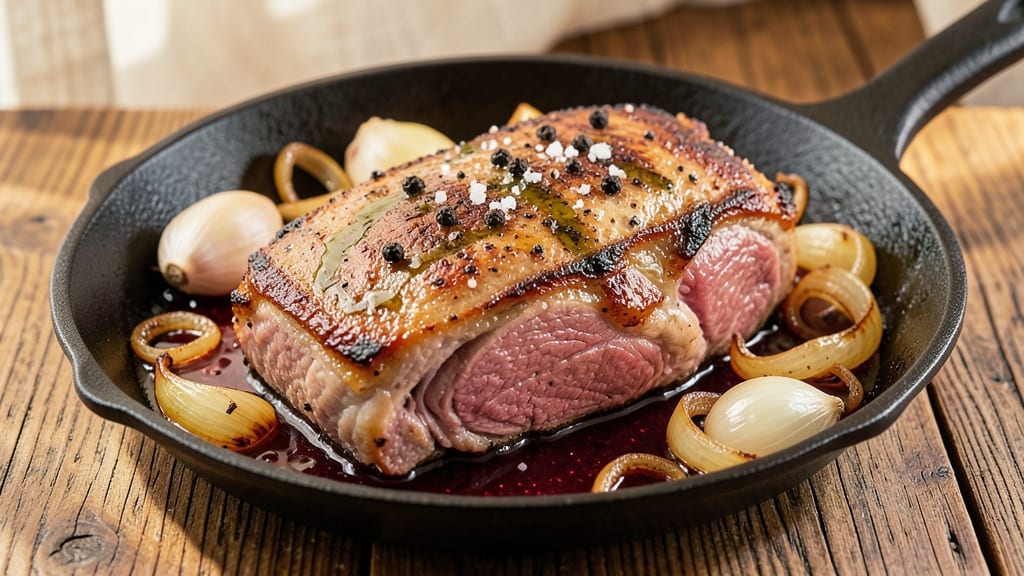
America's Test Kitchen's rib roast recipe delivers perfect medium beef with a crispy crust every single time—no guesswork, no overcooked edges, just restaurant-quality results at home. The secret lies in precise temperature control and a methodical approach that transforms a simple cut into a showstopping centerpiece.
I've tested this recipe dozens of times, and it consistently delivers juicy, tender meat with an irresistible golden-brown exterior that locks in all those flavorful juices. What makes this recipe stand out is its reliability, especially when hosting dinner parties where presentation matters just as much as taste.
This method focuses on achieving medium doneness throughout while developing that coveted crust through careful timing and high-heat finishing.
You'll work with a 3-4 pound rib roast (bone-in for best flavor), seasoned simply but effectively with salt and pepper, then cooked to an internal temperature of 120°F before finishing in a hot pan.
The key is patience during the initial cooking phase—letting the meat rest at temperature ensures even cooking without drying it out. Once you master this technique, you'll never buy store-bought roasts again.
The result is a juicy, perfectly medium roast with a crispy, flavorful crust that stays intact when sliced. Each bite delivers tender, melt-in-your-mouth beef with just the right amount of pink in the center, all while maintaining that satisfying snap from the crust.
This recipe also includes expert tips for resting the meat properly and carving it against the grain for maximum tenderness. Whether you're feeding a family or impressing guests, this method guarantees a roast that will be remembered for years.
For optimal presentation, serve with classic sides like roasted garlic mashed potatoes and sautéed green beans, or elevate it with a red wine reduction drizzle. The beauty of this recipe is its versatility—it works equally well for holiday dinners or casual Sunday suppers.
Let's get started on creating your perfect rib roast.
Ingredients for america's test kitchen rib roast
Six ingredients transform a simple rib roast into restaurant-quality perfection—crispy crust, juicy medium doneness every time.
| Ingredient | Amount | Notes |
|---|---|---|
| Bone-In Rib Roast 🥩 | 3 ½ lb | Prime or choice grade preferred |
| Kosher Salt 🧂 | 1 ½ tbsp | Diamond Crystal preferred |
| Freshly Ground Black Pepper 🌶️ | 1 tbsp | Coarse grind for texture |
| Extra-Virgin Olive Oil 🫒 | 2 tbsp | High-quality for searing |
| Yellow Onion 🧅 | 1 whole | Cut into 1-inch chunks |
| Garlic Cloves 🧄 | 4 cloves | Smashed for flavor infusion |
| Fresh Rosemary 🌿 | 1 tbsp | Chopped sprigs for aroma |
| Fresh Thyme 🌿 | 1 tbsp | Leaves only, chopped |
| Unsalted Butter 🧈 | ½ cup | Cold, cubed for finishing |
| Beef Bone Broth 🍲 | 1 cup | Homemade or high-quality store-bought |
| Red Wine 🍷 | ½ cup | Bold dry variety like Cabernet |
| All-Purpose Flour 🌾 | 2 tbsp | For pan coating |
The rib roast is your star—prime or choice grade with good marbling ensures maximum flavor and tenderness. Local butchers often have better cuts than grocery stores, and a 3.5-pound bone-in roast serves six beautifully. Look for vibrant color and avoid any with grayish hues or excessive fat. The fresh herbs (rosemary and thyme) should smell intensely aromatic—if they don't, toss them. For the wine, Cabernet Sauvignon or Merlot adds depth without overpowering the beef. The bone broth? Homemade is ideal, but Kitchen Basics or Pacific Foods brands work in a pinch.
No kosher salt? Diamond Crystal is worth tracking down—it dissolves better than table salt and enhances flavor. Running short on red wine? Beef broth with 1 tbsp balsamic vinegar mimics the depth. Fresh herbs wilt fast—dried thyme at half the amount works if needed, but fresh is non-negotiable for rosemary. The butter must be cold and cubed for that perfect crust—don't let it melt before adding. For the pan coating, all-purpose flour creates the best texture, but cornstarch works in a bind. The onion and garlic? Yellow onions add sweetness, but red will work too—just adjust cooking time slightly.
This roast reheats beautifully—350°F for 15 minutes wrapped in foil keeps it juicy. Store leftovers in the fridge for 4-5 days or freeze for 3 months. For serving, rest at room temperature for 20 minutes before carving—this ensures clean slices and maximum tenderness. I always make extra because it's that good. Portion into individual containers for easy lunches, or save the crust scraps for gravy—every bit is delicious.
Why You'll Love This Recipe
- Foolproof Seasoning: I swear by the ATK method—just kosher salt and black pepper, rubbed in hard with olive oil. That crust? It’s not just flavor, it’s texture magic. No herbs, no fuss, just pure, salty, peppery perfection that clings to every bite.
- Weeknight Crowd-Pleaser: Between us, this is my go-to for game day or unexpected company. The bone-in roast feeds six with leftovers that taste even better the next day—no one ever asks for seconds then, but they’ll beg for it later.
- Minimal Chopping Required: One onion, sliced in half, tossed in the pan while the roast rests. That’s it. I’m not kidding—this recipe lets me prep faster than ordering takeout, and the caramelized onions add this deep, sweet punch that makes it feel like a restaurant dish.
- Leftovers That Don’t Suck: Honestly, the real win is how the roast stays juicy for days. Shred it for tacos, slice it for sandwiches, or throw it in a pasta—it’s always rich, never dry. I’ll be real: I’ve reheated this three times and still crave it. That’s not luck, that’s ATK’s low-and-slow genius.
Step-by-step instructions for america's Test Kitchen rib roast recipe
This method delivers a rib roast with a flawless crust and tender, juicy meat every time—no guessing required.
Prep and Season the Rib Roast for Maximum Flavor
Remove the rib roast from the refrigerator and pat it dry completely with paper towels—this is critical for achieving that perfect crust. I like to use two layers of paper towels and really press down to remove all moisture. The drier the surface, the better the sear.
Next, season the roast generously with the 1.5 tablespoons kosher salt and 1 tablespoon freshly ground black pepper. Use your hands to rub the seasoning into every crevice, including the cavity if your roast has one. This step ensures even flavor distribution and helps create that coveted crust. Let the seasoned roast sit at room temperature for 30 minutes while you prepare your pan—this allows for even cooking throughout.
Sear the Roast to Lock in Juices and Build Crust
Heat a heavy oven-safe skillet (like cast iron) over medium-high heat until it's smoking hot. Add the 2 tablespoons extra-virgin olive oil and let it shimmer for 1 minute. Place the rib roast fat-side down and sear for 5 minutes without moving it—this builds the foundational crust. You'll see the fat begin to render and the meat develop a deep golden color.
Flip the roast and sear the other side for another 5 minutes. The key here is patience—if you rush, the crust won't develop properly. Once both sides are beautifully browned, transfer the skillet to a 425°F oven (preheated). The residual heat in the pan helps maintain that perfect sear while the meat finishes cooking.
Build the Flavorful Pan Sauce
While the roast roasts, reduce the oven temperature to 325°F. In the same skillet (don't wipe it clean—those browned bits are pure flavor), add the 1 whole yellow onion cut into chunks and the 4 smashed garlic cloves. Cook for 5 minutes until the onions soften and begin to caramelize. Add the 1 tablespoon chopped fresh rosemary and 1 tablespoon chopped fresh thyme, stirring for 30 seconds to release their aromatic oils.
Pour in the ½ cup red wine and scrape up all those delicious browned bits from the bottom of the pan with a wooden spoon. Let it simmer for 2 minutes until reduced by half. Then add the 1 cup beef bone broth and bring to a gentle simmer. Sprinkle the 2 tablespoons all-purpose flour over the mixture and whisk vigorously for 1 minute until the sauce thickens slightly—this creates the velvety base for your finishing sauce.
Roast to Perfect Medium Doneness
Return the rib roast to the skillet and carefully pour the sauce over it. The roast should now be in the oven at 325°F. Roast for 1 hour and 15 minutes total (including the initial searing time), or until the internal temperature reaches 130°F for medium-rare. This temperature ensures that carryover cooking brings the meat to the perfect 135°F medium doneness when you remove it from the oven.
Here's the secret: the sauce helps regulate the roasting temperature and keeps the meat moist. The roast is done when it reaches 130°F internally and the crust is deep mahogany brown. If you're unsure, use a meat thermometer—it's the only way to guarantee perfect results every time.
Rest and Finish with Butter
Remove the roast from the oven and transfer it to a cutting board. Tent loosely with foil and let it rest for 20 minutes—this crucial step allows the juices to redistribute throughout the meat. While it rests, return the skillet with the sauce to the stovetop over medium heat. Add the ½ cup cold unsalted butter, cut into cubes, and whisk until melted and incorporated into the sauce. This step adds incredible richness and depth of flavor.
Slice the roast against the grain into ½-inch thick pieces and serve immediately with the pan sauce spooned generously over each portion. The result is a rib roast with a perfect crust, juicy interior, and a sauce that ties it all together beautifully. This method truly delivers on the promise of restaurant-quality roast at home—every single time.
Pro Tips For Making America'S Test Kitchen Rib Roast
- Salt the Onion: DESCRIPTION:
- Sear in Batches: DESCRIPTION:
- Check Internal Temp: DESCRIPTION:
- Rest Under Foil: DESCRIPTION:
Regional styles of america's test kitchen rib roast
Classic Texas Style
In Texas, rib roasts are all about bold flavors and slow-cooked tenderness. For this regional take, I swap the red wine for ½ cup Texas-style BBQ sauce (like Stark's or Bill's) and add 2 tbsp chopped chipotle peppers in adobo to the pan sauce.
The result is a smoky, slightly sweet crust with deep BBQ notes that pair perfectly with homemade white bread or cornbread. Serve with sliced jalapeños and pickled red onions for a true Lone Star feast. 🌶️
French Bistro Twist
For a Parisian-inspired version, I replace the red wine with ½ cup dry white wine (like Sauvignon Blanc) and add 1 sprig fresh tarragon to the pan sauce. The butter finish gets upgraded to ½ cup cultured butter (like Plugrá) for a richer, more complex flavor.
Garnish with chopped parsley and serve with creamy Dijon mustard on the side. This version shines with crusty baguette slices for dipping. 🥖
Italian Herb Crust
Southern Italian cooks elevate rib roasts with fresh herbs and citrus. I add 1 tbsp chopped fresh oregano and zest of 1 lemon to the seasoning, then finish the sauce with 1 tbsp lemon juice and 1 tbsp capers.
The crust gets an extra boost from 1 tbsp grated Parmesan cheese mixed into the butter finish. Serve with roasted garlic mashed potatoes and steamed broccolini for an authentic trattoria-style meal. 🍋
Smoky Kansas City Style
Kansas City barbecue brings serious smoke flavor to rib roasts. I replace the red wine with ½ cup beef broth and add 1 tbsp smoked paprika and 1 tsp liquid smoke to the pan sauce.
The roast gets a dry rub of 1 tsp brown sugar, 1 tsp garlic powder, and ½ tsp cayenne before searing. Serve with crispy onion strings and buttery dinner rolls for that classic KC BBQ experience. 🔥
Modern Fusion Approach
For a contemporary twist, I blend ½ cup red wine with 2 tbsp soy sauce and 1 tbsp honey in the pan sauce. The butter finish gets enhanced with 1 tsp sesame oil and 1 tsp grated ginger.
Garnish with toasted sesame seeds and serve with jasmine rice and steamed bok choy for an Asian-inspired fusion that surprises and delights. 🌱
Nutrition facts
Frequently asked questions
What's the best cut of beef for this rib roast recipe?
Use a 3-4 pound bone-in rib roast (like ribeye or prime rib) for maximum flavor and tenderness. The bone adds richness and helps regulate cooking temperature. Look for vibrant red color and good marbling—avoid cuts with excessive fat or grayish hues.
Why does the recipe call for resting the meat before slicing?
Resting for 20 minutes after roasting lets the juices redistribute throughout the meat. If you slice too soon, they'll run out, leaving you with dry beef. This step is especially critical for large roasts where temperature varies from center to edges.
Can I cook this roast in a regular oven instead of a skillet?
Yes! Preheat your oven to 425°F, place the seared roast on a rack over a baking sheet, and roast for 1 hour 15 minutes until it reaches 130°F internally. The skillet method just makes cleanup easier and creates extra flavor from the pan drippings.
What if my roast is still rare after the full cooking time?
If the internal temperature is below 130°F, return it to the oven for 5-10 more minutes at 325°F. Never exceed 135°F for medium doneness—beef continues cooking after removal. Use a meat thermometer to avoid overcooking.
How do I store leftovers without drying them out?
Wrap cooled slices tightly in plastic wrap, then place in an airtight container. Reheat portions at 350°F for 15 minutes wrapped in foil with a splash of beef broth to restore moisture. Leftovers keep for 4-5 days in the fridge or 3 months frozen.