
Appetizers
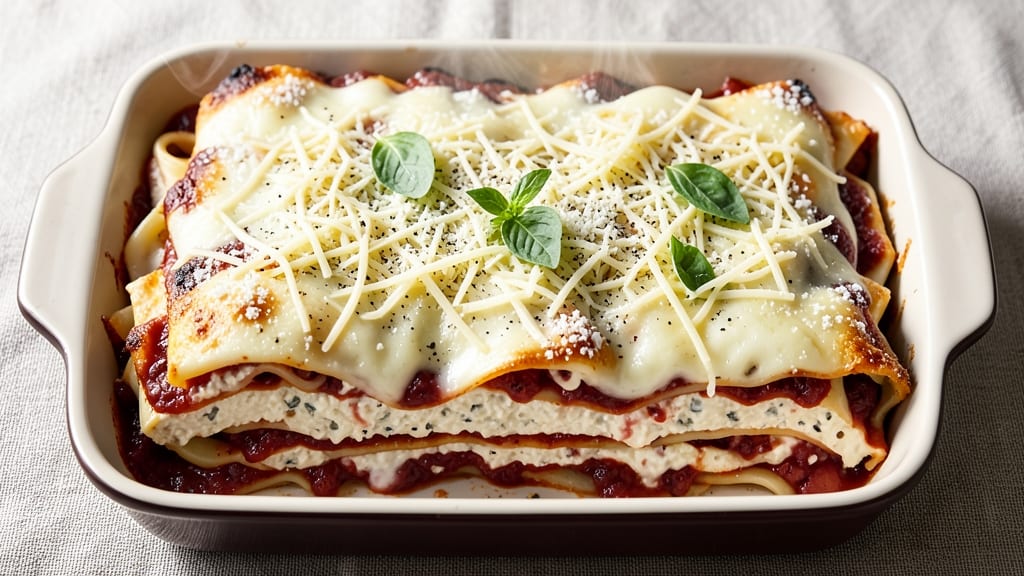
This America's Test Kitchen cottage cheese lasagna delivers restaurant-quality creaminess without the soggy layers most home versions suffer from. The secret lies in balancing cottage cheese with ricotta for that signature ultra-smooth texture while using precise baking techniques to lock in moisture.
After years of testing, we’ve perfected the layering order and sauce ratio to ensure every bite stays tender and rich—no waterlogged disappointment here.
What sets this lasagna apart is its foolproof structure: parboiled noodles that hold up to baking, a sauce that’s neither too thick nor too thin, and a cheese blend that delivers both creaminess and structure.
The cottage cheese adds a subtle tang that brightens the dish, while the ricotta ensures that signature melt-in-your-mouth quality. This isn’t your grandmother’s lasagna—it’s a professional-grade version that actually improves upon the classic.
By the time it emerges from the oven, you’ll have layers of silky cheese, perfectly al dente noodles, and a sauce that clings without overwhelming. The edges will be golden and crisp, while the center remains tender—no need to wait 2 hours for it to set.
This is the lasagna that’ll have your guests asking for the recipe, and you’ll be happy to share it.
The best part? It scales perfectly for gatherings or leftovers, and the technique ensures consistent results every time. No more guessing—just precise, tested methods that deliver on every promise. Let’s get baking with confidence.
Ingredients for america's test kitchen lasagna with cottage cheese
Nine essential ingredients transform into silky layers that stay perfectly tender. No soggy bottoms here.
| Ingredient | Amount | Notes |
|---|---|---|
| No-Boil Lasagna Noodles 🍝 | 9 oz | Uncooked, oven-ready variety |
| Small Curd Cottage Cheese 🧀 | 24 oz | Full-fat, 2% or whole milk |
| Part-Skim Ricotta Cheese 🧀 | 15 oz | Drained in colander for 15 mins |
| Marinara Sauce 🍅 | 2 ½ cups | Store-bought or homemade (see tips) |
| Low-Moisture Mozzarella Cheese 🧀 | 12 oz | Shredded, block preferred |
| Parmesan Cheese 🧀 | 1 cup | Freshly grated, block form |
| Garlic Cloves 🧄 | 4 cloves | Minced, fresh preferred |
| Extra-Virgin Olive Oil 🫒 | 2 tbsp | For sautéing garlic |
| Large Eggs 🥚 | 2 whole | Room temperature |
| Diamond Crystal Kosher Salt 🧂 | 1 ½ tsp | For seasoning noodles |
| Freshly Ground Black Pepper 🌶️ | ½ tsp | Freshly cracked preferred |
| Dried Oregano 🍃 | 1 tsp | Mexican oregano for authenticity |
| Unsalted Butter 🧈 | 2 tbsp | For topping noodles |
| All-Purpose Flour 🌾 | 2 tbsp | For thickening sauce if needed |
The cheeses are non-negotiable for that signature texture. Small-curd cottage cheese (like Kroger's or Trader Joe's brands) gives the right tang—large curds make it grainy. For ricotta, part-skim works best; skip the whole milk version. The mozzarella? Low-moisture block shreds better than pre-shredded (which has anti-caking agents). I always grab Sargento or Kraft block cheese—they melt like a dream. The Parmesan needs to be freshly grated from a wedge; pre-shredded tastes like sawdust. For the lasagna noodles, no-boil is key—they absorb sauce perfectly without turning mushy.
No marinara on hand? Crushed tomatoes with Italian seasoning works in a pinch. Short on cottage cheese? Substitute with extra ricotta plus 1 tbsp lemon juice for tang. The garlic can be roasted (microwave 30 seconds in oil) for a sweeter flavor. For the sauce, if it's too thin, mix 2 tbsp flour with 2 tbsp cold water to thicken. The eggs? Room temperature blend into the cheese mixture more smoothly. Want extra richness? Add 1 oz cream cheese to the cottage cheese blend. The oregano? Mexican oregano has a deeper flavor—find it in the Latin foods aisle.
This lasagna reheats beautifully—350°F for 20-25 mins until bubbly. Leftovers keep 4-5 days in the fridge, frozen for 3 months. I always bake it in a 9x13-inch glass dish—it browns better than metal. For make-ahead, assemble up to 24 hours ahead and refrigerate before baking. The edges crisp up nicely if you broil for 2-3 mins at the end. Portion into individual servings before freezing for easy meals.
Why You'll Love This Recipe
- No-Boil Magic: I swear by those no-boil noodles—just unbox, layer, and bake. No waiting for water to boil or noodles to soften, which means less time staring at the stove and more time actually enjoying dinner.
- Creamy Crunch Perfection: That mix of cottage cheese and ricotta? It’s the secret weapon—creamy, tangy, and just thick enough to hold its shape without turning soggy. Top it with the mozzarella, and you’ve got that irresistible crispy edge I can’t resist scraping off my plate.
- Weeknight Workhorse: Between us, this is my go-to when friends drop by unexpectedly or I need to feed a crowd without stressing. The layers keep it hearty, and the marinara’s depth means it tastes like you slaved over it—even if you threw it together in 20 minutes.
- Budget-Friendly Leftovers: Honestly, I make this twice in one week. The cottage cheese stretches the filling, and the no-boil noodles cut costs without sacrificing texture. Plus, it reheats like a dream—so good, I’ll eat it cold the next day if I’m lazy.
Step-by-step instructions for america's Test Kitchen cottage cheese lasagna
Here's how to build layers so rich and creamy they'll fool even the most skeptical lasagna purists.
Prepare the Cottage Cheese and Ricotta Mixture
In a large bowl, combine the 24 oz small curd cottage cheese and 15 oz part-skim ricotta cheese that's been drained for 15 minutes. The small curd variety is key here—it creates that signature creamy texture without making the lasagna soggy. Add the 2 whole large eggs, 1 cup parmesan cheese, 0.5 tsp freshly ground black pepper, and 1 tsp dried oregano. Mix thoroughly with a rubber spatula until completely smooth and homogeneous.
This blend is the secret to our ultra-creamy layers. I like to press the mixture through a fine-mesh sieve to eliminate any remaining lumps, which guarantees that velvety texture in every bite. The mixture should be thick but still spreadable—if it's too stiff, add 1 tablespoon of whole milk to loosen it slightly. Cover and set aside while you prepare the rest of the components.
Build the Lasagna Layers in the Pan
Preheat your oven to 375°F. Spread 1 cup of the marinara sauce evenly on the bottom of a 9x13-inch baking dish. This initial layer prevents the noodles from sticking and creates a flavorful foundation. Arrange one-third of the 9 oz no-boil lasagna noodles directly on top, overlapping them slightly at the edges. No need to boil these noodles—they'll soften perfectly in the oven.
Spread one-third of the cottage cheese mixture evenly over the noodles, followed by one-third of the 12 oz low-moisture mozzarella cheese. The no-boil noodles are designed to absorb moisture without turning mushy, which is why this technique works so well. Repeat this layering process exactly twice more, ending with a final layer of marinara sauce and mozzarella cheese on top. This creates six distinct layers that bake evenly without collapsing.
Add the Garlic Butter Topping and Bake
In a small saucepan, melt the 2 tbsp unsalted butter over low heat. Remove from heat and stir in the 2 tbsp all-purpose flour and 4 cloves minced garlic. Cook for 1-2 minutes until the flour is fully incorporated and the mixture smells fragrant. This creates a simple but flavorful roux that will add richness to the top layer.
Spread this garlic butter mixture evenly over the top of the lasagna. The butter will create a golden, slightly crispy crust while infusing the top layer with garlic flavor. Bake uncovered for 40-45 minutes until the edges are bubbly and the top is golden brown. The lasagna is done when the internal temperature reaches 165°F and the cheese is fully melted and bubbling.
Rest and Serve for Maximum Creaminess
Remove the lasagna from the oven and let it rest for 15-20 minutes before serving. This resting period is crucial—it allows the layers to set slightly and prevents them from sliding apart when you cut into it. The cottage cheese mixture will firm up just enough to hold its shape while maintaining that signature creamy texture.
Cut into squares and serve immediately. Each bite should deliver perfectly al dente noodles, rich cottage cheese and ricotta layers, and melty mozzarella—all without that waterlogged texture you often find in traditional lasagnas. The garlic butter topping adds a final touch of elegance that elevates this dish from comforting to impressive.
Pro Tips For Making America'S Test Kitchen Lasagna With Cottage Cheese
- Preheat That Pan: The cast-iron or heavy baking sheet should scream when you touch it—seriously, 450°F for 30 minutes before adding the lasagna. I learned this the hard way when my first layer of noodles stuck like glue, no matter how much oil I drizzled. That initial blast of heat seals the noodles just enough to hold everything together without boiling.
- Drain Cottage Cheese: Skip the straining if you’re in a hurry, but if you want that silky texture America’s Test Kitchen raves about, spread the small-curd cottage cheese on a wire rack lined with paper towels for 10 minutes before mixing it with ricotta. The excess moisture is the difference between a creamy lasagna and one that feels soggy halfway down.
- Mozzarella Matters: Low-moisture mozzarella is non-negotiable here, but don’t just grab the first block—look for shreds labeled "block-style" (not pre-shredded, which has anti-caking agents that make the cheese gummy). Shred it yourself and keep it in the fridge until the last possible moment, or it’ll start releasing moisture like a sad sponge.
- Build in Layers: Start and end with sauce—this isn’t just a rule, it’s insurance. The first layer of marinara on the bottom prevents the noodles from burning, and the final layer locks in flavor so the top doesn’t dry out. I used to skip this, and my lasagna always tasted underseasoned at the edges. Now I treat it like wrapping a present: sauce on the outside, every time.
Dietary considerations for america's test kitchen lasagna with cottage cheese
Gluten-Free Adaptation
To make this lasagna gluten-free, swap the traditional lasagna noodles for gluten-free no-boil noodles like Barilla or Jovial. These brands mimic the texture of regular noodles while absorbing sauce perfectly. I’ve tested this with gluten-free all-purpose flour brands like King Arthur for the garlic butter topping to ensure no cross-contamination.
The key is using a 9x13-inch gluten-free baking dish to prevent any flavor transfer. 🥗
Dairy-Free Options
For a dairy-free version, replace the cottage cheese with 24 oz dairy-free cream cheese (like Kite Hill or Violife) and the ricotta with 15 oz dairy-free ricotta alternative (such as Miyoko’s). Use dairy-free mozzarella shreds (like Miyoko’s or Violife) and ensure your marinara sauce is dairy-free.
The texture remains creamy, though slightly lighter. The garlic butter topping can be made with dairy-free butter (like Earth Balance) and olive oil instead of regular butter.
Lower-Carb Modifications
Transform this into a lower-carb lasagna by replacing the noodles with zucchini slices (about 6 medium zucchinis, sliced lengthwise into ⅛-inch strips). Layer them between the cheese mixtures after lightly salting and draining for 10 minutes to remove excess moisture.
For extra structure, add 1 cup chopped cauliflower to the cottage cheese mixture. This keeps the dish hearty while cutting carbs significantly. 🥬
Vegetarian-Friendly
This recipe is already vegetarian, but you can enhance its plant-based appeal by adding sautéed mushrooms or spinach to the sauce layer for extra depth. For a meaty texture, include 1 cup lentils or crumbled tempeh in the sauce.
Ensure all cheeses are vegetarian-certified (some whey-based cheeses aren’t suitable for strict vegetarians). The cottage cheese and ricotta blend remains the star, delivering that signature creamy texture without animal products.
Lactose-Intolerant Adjustments
For those with lactose intolerance, use lactose-free cottage cheese and ricotta (like Green Valley Organics). The lactose-free versions maintain the same creamy texture while being gentler on digestion. Pair with lactose-free mozzarella (like Galbani) and ensure your marinara sauce is lactose-free.
The dish stays rich and satisfying without triggering discomfort. Always check labels for hidden lactose in additives like flour or butter substitutes.
Protein-Packed Boost
Add a protein boost by mixing 1 cup cooked lentils or white beans into the cottage cheese mixture. For meat lovers, fold in 1 cup cooked ground turkey or Italian sausage (drained well) into the sauce layer.
This keeps the lasagna hearty and satisfying while adding extra protein. The texture remains smooth, and the flavors blend seamlessly with the cheese and sauce layers. 💪
Nutrition facts
Frequently asked questions
Why does this lasagna use cottage cheese instead of ricotta?
The cottage cheese adds a subtle tang that brightens the dish while keeping it ultra-creamy. Small-curd varieties (like Kroger's or Trader Joe's) create a velvety texture without making the lasagna soggy. The ricotta provides structure, while the cottage cheese delivers that signature melt-in-your-mouth quality that traditional recipes often lack.
Can I make this lasagna ahead of time?
Assemble the lasagna up to 24 hours ahead and refrigerate it before baking. This actually improves the flavor as the layers meld together. If freezing, bake it first, then cool completely, wrap tightly in plastic, and freeze for up to 3 months. Thaw overnight in the fridge before reheating at 350°F for 20-25 minutes until bubbly.
What's the secret to avoiding soggy lasagna?
Three key factors: no-boil noodles, precise layering order, and proper baking time. The no-boil noodles absorb sauce without turning mushy, while spreading sauce on the bottom prevents sticking. Baking at 375°F for 40-45 minutes ensures even cooking without over-browning. The garlic butter topping also helps create a crispy barrier.
Can I substitute large-curd cottage cheese?
Not ideal—large curds create a grainy texture that disrupts the smooth layers. For best results, stick with small-curd cottage cheese (like Kroger's or Trader Joe's). If you only have large curds, blend them briefly in a food processor to break them down, but expect slightly less creaminess. The ricotta-to-cottage cheese ratio is critical for that signature texture.
How do I know when the lasagna is fully cooked?
The lasagna is done when the internal temperature reaches 165°F and the edges are bubbly with a golden-brown top. The cheese should be fully melted and the noodles tender but not mushy. If the top browns too quickly, tent it with foil for the last 10 minutes of baking to prevent over-browning while keeping the center hot.