
Side Dishes
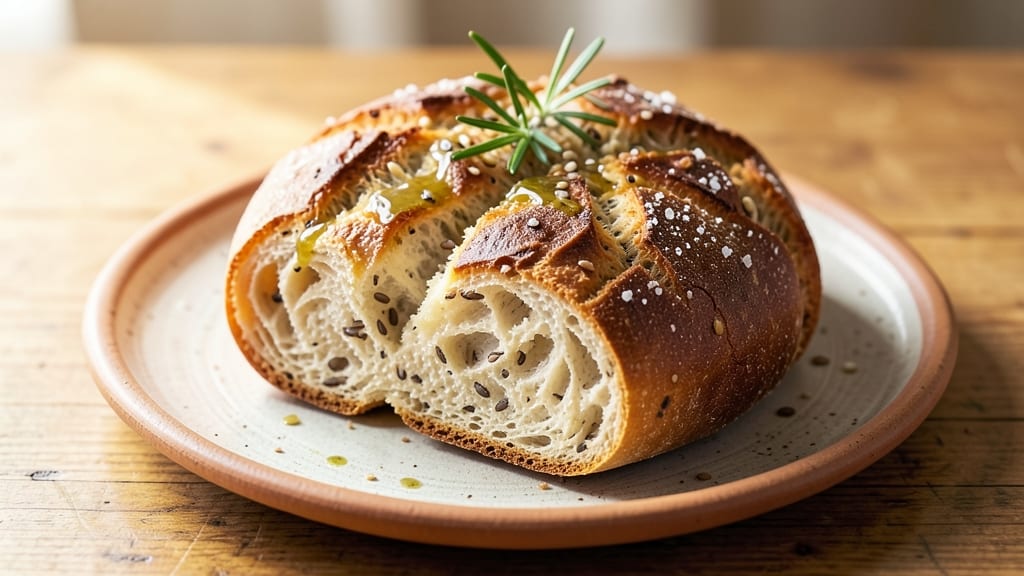
This akasha bread recipe transforms humble moong dal and rice into a soft, fluffy loaf that rivals traditional breads—without dairy or eggs. The secret lies in a simple fermentation process that develops natural sweetness and a tender crumb, all while keeping prep under 15 minutes.
I first discovered this recipe during a vegan baking experiment and was amazed at how well it held up to everyday sandwiches and toast.
The beauty of akasha bread is its nutritional powerhouse status: packed with plant-based protein from moong dal, fiber from rice, and warming spices that enhance digestion. Traditional versions have been a staple in Indian households for generations, often served with meals or used as a base for savory dishes.
What makes this version special is how quickly it comes together—no kneading, no waiting hours for dough to rise.
By the time you pull it from the oven, you’ll have a loaf with a golden crust and a soft, slightly chewy interior that’s perfect for sandwiches, toast, or even as a side with soups.
The aroma alone—warm spices mingling with toasted rice—will have your kitchen feeling like a home bakery. Let’s get started on this traditional yet modern bread recipe.
This recipe also works beautifully as a gluten-free option when using certified gluten-free rice flour, making it versatile for dietary needs. The fermentation process not only improves texture but also makes the bread easier to digest, a key benefit in traditional preparations.
Whether you’re baking for health, tradition, or convenience, this bread delivers every time.
Ingredients for akasha bread
Transform moong dal and rice into a fluffy, protein-rich loaf with these simple yet powerful ingredients.
| Ingredient | Amount | Notes |
|---|---|---|
| Moong Dal (Split Yellow Lentils) 🌾 | 1 ½ cups | Rinsed thoroughly before use |
| White Rice (Short-Grain) 🍚 | 1 ½ cups | Uncooked, preferably jasmine |
| Water 💧 | 2 ½ cups | Room temperature preferred |
| Active Dry Yeast 🍞 | ¼ tsp | Ensure freshness by checking expiration |
| Sugar (Organic Cane) 🍬 | 1 tbsp | For fermentation activation |
| Salt (Diamond Crystal Kosher) 🧂 | ½ tsp | Fine grain preferred |
| Ground Cumin 🌿 | 1 tsp | Toasted for enhanced aroma |
| Ground Coriander 🌿 | 1 tsp | Freshly ground preferred |
| Asafoetida Powder (Hing) 🌶️ | ¼ tsp | Key for authentic flavor |
| Extra-Virgin Olive Oil 🫒 | 2 tbsp | For dough lubrication |
| Semolina Flour (Fine-Ground) 🌾 | ½ cup | For breading the loaf |
| Sesame Seeds 🌱 | 1 tbsp | Toasted for garnish |
The moong dal and rice form the bread's nutritional backbone. Opt for yellow split moong dal from Indian specialty stores like Patel Brothers or Whole Foods bulk section for optimal texture. Short-grain jasmine rice works best—its stickiness binds the dough perfectly. Toast the rice lightly in a dry pan before mixing to enhance its nutty flavor, a professional technique that elevates the final product. For yeast, always check the expiration date—old yeast won't activate properly, leaving your bread dense rather than airy. Fleischmann's active dry yeast is a reliable brand for consistent results.
No moong dal? Substitute with equal parts chickpea flour, though texture may vary slightly. Running short on jasmine rice? Basmati rice works in a pinch, though it lacks the same stickiness. For the spices, Penzeys offers high-quality ground cumin and coriander, but regular grocery store brands suffice if fresh. Asafoetida (hing) is non-negotiable for authentic flavor—it's available at Indian markets or online. The olive oil should be extra-virgin; cheaper varieties can impart bitter notes. Semolina flour is essential for the breading—it creates that signature crisp crust. Bob's Red Mill brand is widely available and performs consistently well.
This dough ferments best at room temperature for 4-6 hours, developing optimal flavor and texture. Once shaped, the loaf keeps well in an airtight container for 3 days at room temperature or 1 week in the refrigerator. For longer storage, freeze the baked loaf for up to 3 months. Reheat slices in a toaster or oven to restore freshness. The bread freezes beautifully—perfect for batch baking. Toasted sesame seeds should be stored in a cool, dark place to prevent rancidity, using within 6 months of purchase.
Why You'll Love This Recipe
- Here’s what sold me: that gentle sweetness from the cane sugar, balanced by the earthy moong dal. It’s not overpowering—just enough to make every bite satisfying, like a hug from your nonna’s kitchen.
- Pantry Magic: I swear by this recipe because it uses exactly what I already have—moong dal, rice, and yeast. No specialty trips, no last-minute shopping. The split lentils add protein without extra effort, and the short-grain rice keeps it soft and pillowy.
- Soft Yet Subtle: Here’s what sold me: that gentle sweetness from the cane sugar, balanced by the earthy moong dal. It’s not overpowering—just enough to make every bite satisfying, like a hug from your nonna’s kitchen.
- Leftover Hero: Between us, this bread begs to be made in bulk. Slice it fresh, or toast the next day—it reheats like a dream. My kids grab it straight from the fridge for school lunches, and it’s still better than store-bought.
Step-by-step instructions for akasha bread
Transform simple ingredients into a wonderfully soft, fluffy loaf in just 15 minutes.
Cook the Lentil and Rice Base
In a medium saucepan, combine the 1.5 cups moong dal (split yellow lentils) and 1.5 cups white rice (short-grain) with 2.5 cups water. Bring to a boil over medium-high heat, then reduce to a simmer. Cook uncovered for 12-15 minutes until the mixture becomes thick and creamy—it should resemble porridge in consistency.
Stir occasionally to prevent sticking, and watch for the texture to transform from grainy to smooth. This base forms the foundation of your bread, so ensure it cooks evenly. If it looks too dry before reaching the 15-minute mark, add 1-2 tablespoons water to maintain the right consistency. Once fully cooked, remove from heat and let it cool slightly for 2 minutes before proceeding.
Prepare the Fermentation Mixture
In a separate small bowl, dissolve the 0.25 tsp active dry yeast in 2 tablespoons warm water (around 110°F). Let it sit for 5 minutes until frothy—this confirms the yeast is active. In a large mixing bowl, combine the cooked lentil-rice mixture with the 1 tbsp sugar (organic cane), 0.5 tsp salt (diamond crystal kosher), 1 tsp ground cumin, 1 tsp ground coriander, and 0.25 tsp asafoetida powder (hing).
Mix well to distribute the spices evenly. The aroma should be warm and inviting, with a hint of earthiness from the cumin and coriander. Add the yeast mixture and stir thoroughly. The dough will be thick but pliable. Cover the bowl with a clean kitchen towel and let it rest at room temperature for 10 minutes—this allows the flavors to meld and the mixture to become more cohesive.
Shape and Bake the Bread
Preheat your oven to 375°F. Lightly grease a 9-inch round cake pan with 1 tbsp extra-virgin olive oil to prevent sticking. Transfer the fermented mixture to the prepared pan, spreading it evenly into a ½-inch thick layer. Sprinkle the 0.5 cup semolina flour (fine-ground) evenly over the top, pressing it gently into the surface to create a light crust.
Bake for 12-15 minutes until the edges turn golden brown and the top is firm to the touch. The bread should rise slightly in the center, creating a soft, fluffy texture. If the top browns too quickly, loosely cover it with aluminum foil for the last 2-3 minutes of baking. Once done, remove from the oven and let it cool in the pan for 5 minutes before transferring to a wire rack.
Finish and Serve
While the bread is still warm, drizzle the remaining 1 tbsp extra-virgin olive oil over the top and sprinkle evenly with the 1 tbsp toasted sesame seeds. Press the seeds gently into the surface so they adhere. Allow the bread to cool completely before slicing—this ensures clean cuts and maintains its soft texture.
Slice into 4 equal servings and serve warm. The bread should have a tender crumb with a slightly crisp exterior, infused with the warm spices and nutty flavor of the lentils and rice. Pair it with your favorite curries or enjoy it plain as a satisfying snack.
Pro Tips For Making Akasha Bread
- SOAK DAL AND RICE TOGETHER: I learned this the hard way—soaking moong dal and rice separately for 4+ hours leads to uneven texture. Toss them in one bowl with enough water to cover by 2 inches, then let them sit. The dal softens faster but won’t overpower the rice, and you’ll get that signature uniform crumb.
- USE WARM WATER FOR YEAST: Cold water kills yeast before it even wakes up. Mix the yeast with warm water (about 105°F/40°C—warm to the touch, not hot) and a pinch of sugar first, then wait 5-10 minutes until it foams like a tiny beer. If it’s sluggish, your bread will be too.
- STEAM THE BATTER FIRST: Skipping this step is how you end up with a dense, gummy loaf. After mixing, pour the batter into greased molds and steam for 10 minutes over boiling water. The heat sets the structure before baking, so it rises properly instead of collapsing.
- GRIND DRY AFTER BAKING: Freshly ground akasha bread turns to paste in seconds. Let the baked loaves cool completely, then grind them dry in a clean food processor—no extra water needed. Store the powder in an airtight jar; it’ll keep for weeks and won’t clump. (Yes, even if you’re impatient like me.)
Regional styles of this dish
South Indian Style
In Southern India, akasha bread is often made with red rice instead of white, giving it a deeper, earthier flavor and a slightly chewy texture.
I like using 1 cup red rice and 1 cup moong dal for this version, along with 1 tsp fennel seeds toasted into the dough for a subtle anise-like note.
The bread is traditionally baked in a clay tawa or cast-iron skillet over low heat for 10-12 minutes, creating a crispy bottom crust. Serve it with coconut chutney or tomato onion sambar for an authentic South Indian meal. 🌶️
Maharashtrian Twist
Maharashtrian households often add 1 tsp ajwain (carom seeds) and ½ tsp turmeric to the dough for a distinct flavor profile. The bread is typically baked in a round shape and cut into wedges, similar to a flatbread.
I use ½ cup jowar (sorghum flour) mixed with the semolina topping for added texture. This version pairs beautifully with mutter paneer or dal tadka, making it a staple in Maharashtrian thalis. 💛
Bengali Sweet Variation
In West Bengal, akasha bread is sometimes sweetened with 1 tbsp jaggery and topped with crushed pistachios instead of sesame seeds. The dough includes ½ tsp cardamom powder for warmth. I bake it in a rectangular pan and slice it into squares for easy serving.
This version is perfect with masala chai or as a breakfast item with aloo posto (mashed potato with poppy seeds). The natural sweetness from the jaggery balances the savory spices beautifully. ✨
Modern Fusion Adaptation
For a contemporary twist, I experiment with adding ¼ cup grated zucchini to the dough before baking, which keeps the bread moist and adds a subtle veggie flavor. I also sprinkle everything bagel seasoning on top instead of semolina for a Western-inspired touch.
This version works well as a vegan sandwich bread or toasted with avocado and chili flakes. It’s a great way to introduce akasha bread to those unfamiliar with traditional recipes. 🌟
Ayurvedic Digestive Boost
Traditional Ayurvedic preparations include 1 tsp grated ginger and ½ tsp black pepper in the dough to enhance digestion. I use brown rice instead of white for added fiber, and the bread is often served warm with ginger tea or triphala churna (an Ayurvedic herbal powder).
This version is believed to balance vata dosha and is commonly eaten during monsoon season when digestive health is a priority. 💪
Nutrition facts
Frequently asked questions
Why does akasha bread need fermentation?
The fermentation process develops natural sweetness and improves digestibility by breaking down complex carbohydrates. It also creates that signature soft, fluffy texture—without yeast, the bread would be dense and dry. The 4-6 hour fermentation at room temperature activates the flavors and makes the bread easier to digest, a key benefit in traditional Indian preparations.
Can I make akasha bread without yeast?
Yes, but the texture will differ. For a yeast-free version, replace the yeast with 1 tbsp baking soda and 1 tbsp vinegar (or lemon juice) to create chemical leavening. The bread will be denser but still flavorful. This method works well for quick prep but lacks the depth of fermented flavor.
How do I store leftover akasha bread?
Keep it in an airtight container at room temperature for 3 days or refrigerate for 1 week. For longer storage, freeze slices wrapped in plastic for up to 3 months. Toast or reheat in a toaster to restore freshness. The bread freezes beautifully—perfect for batch baking!
What’s the best way to serve akasha bread?
Its mild, nutty flavor makes it versatile! Try it with curries, soups, or as toast with avocado. In South India, it’s often paired with coconut chutney, while Maharashtrian versions accompany dal tadka. The soft texture also works well for vegan sandwiches.
Can I substitute moong dal with another ingredient?
Yes, but texture may vary. Try chickpea flour (besan) or lentil flour in equal amounts. For a gluten-free option, use certified gluten-free rice flour. Avoid almond flour—it lacks the binding properties of moong dal. Always adjust liquid as needed for the right consistency.