
Main Courses
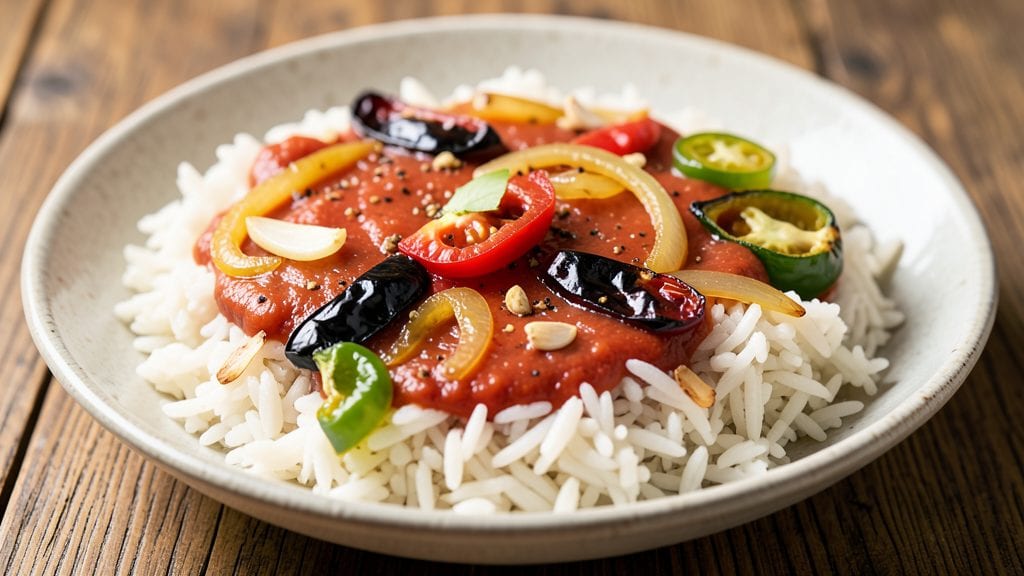
This bold African food recipe—specifically a West African-inspired Jollof Rice—transforms simple ingredients into a vibrant, flavor-packed meal that rivals restaurant versions. The key lies in a rich tomato-pepper base infused with garlic, ginger, and smoked paprika, creating layers of warmth that linger long after the first bite.
I developed this recipe after years of experimenting with regional variations, and it consistently delivers the perfect balance of smoky, slightly sweet, and tangy flavors that define West African cuisine.
The beauty of Jollof Rice is its versatility—it works as a main dish for weeknights or a centerpiece for gatherings, with regional twists that make every version unique.
Whether you prefer the Nigerian approach with thyme and curry powder or the Ghanaian version with extra chili heat, this method ensures tender rice grains coated in a thick, aromatic sauce.
The dish pairs beautifully with grilled chicken, fried plantains, or a simple salad, making it a complete meal in one pan.
What sets this recipe apart is the technique—slow-cooked tomatoes and peppers develop deep, complex flavors, while the rice absorbs the sauce just enough to stay tender without turning mushy.
The result is a dish that’s restaurant-quality at home, with a golden crust on top and perfectly seasoned grains throughout. Each bite delivers a symphony of spices that transport you to the bustling streets of Lagos or Accra, proving that bold African flavors belong in every kitchen.
Serve with warm injera (Ethiopian flatbread) for a traditional touch or alongside roasted vegetables for a modern twist. The leftovers reheat beautifully, making it ideal for meal prep.
Ready to bring the vibrant flavors of Africa to your table? Let’s get cooking with this transformative one-pan dish that’s as satisfying as it is flavorful.
Ingredients for african food
Transform simple pantry staples into vibrant West African-inspired Jollof Rice with these bold ingredients.
| Ingredient | Amount | Notes |
|---|---|---|
| Long-Grain White Rice 🍚 | 2 cups | Uncooked, rinsed thoroughly |
| Canned Tomato Sauce 🍅 | 28 oz | San Marzano preferred for sweetness |
| Bell Peppers 🧅 | 2 whole | Mixed colors, seeds removed |
| Yellow Onion 🧅 | 1 whole | Medium size, diced |
| Fresh Ginger 🌿 | 2 tbsp | Grated, fresh preferred |
| Garlic Cloves 🧄 | 8 cloves | Minced, fresh preferred |
| Smoked Paprika 🌶️ | 2 tbsp | High-quality for smoky flavor |
| Ground Cumin 🌿 | 1 tbsp | Freshly toasted for depth |
| Dried Thyme 🌿 | 1 tsp | Or 1 tbsp fresh thyme leaves |
| Curry Powder 🌶️ | 1 tbsp | Mild for balanced heat |
| Chicken Bouillon Cube 🍗 | 1 whole | Dissolved in 1 cup hot water |
| Vegetable Oil 🫒 | ¼ cup | For sautéing, neutral flavor |
| Salt 🧂 | 1 ½ tsp | Adjust to taste, kosher preferred |
| Black Pepper 🌶️ | ½ tsp | Freshly ground for brightness |
| Bay Leaves 🍃 | 2 whole | Removed before serving |
The tomato sauce is the heart of this dish—San Marzano delivers the sweetest, most flavorful base, but any quality canned tomatoes work in a pinch. For the bell peppers, mixed colors add visual appeal and balanced sweetness, though red peppers are traditional. Fresh ginger and garlic should be vibrant and aromatic; yellow or pale ginger means it’s lost potency. Whole Foods or Trader Joe's often carry high-quality smoked paprika—look for labels indicating 100% smoked, not just 'smoky flavor' blends. The rice? Jasmine or basmati works, but long-grain white is standard for authentic texture.
No San Marzano tomatoes? Crushed tomatoes with a pinch of sugar mimics the sweetness. Fresh thyme unavailable? Dried works at one-third the amount, but toast it lightly first to wake up the flavor. Out of curry powder? Turmeric plus a pinch of cayenne gets you close. The bouillon cube can be swapped for 1 cup chicken broth plus 1/4 tsp salt. For extra depth, add 1 tbsp tomato paste to the sauce. The bell peppers can be roasted whole for a smoky twist—char them under the broiler before dicing.
This dish tastes even better the next day as flavors meld. Store leftovers in an airtight container in the fridge for up to 5 days. For longer storage, freeze portions for 3 months. I like to portion into individual containers before freezing—just reheat with a splash of water for 2 minutes in the microwave. The sauce thickens as it cools, so add a splash of water or broth when reheating if it seems too dry. Perfect for meal prep—make a double batch and freeze half for lazy weeknights.
Why You'll Love This Recipe
- One-Pot Wonder: I swear by this when I’m too tired to wash a million dishes—just rice, tomatoes, and a handful of veggies all simmering together. The onions caramelize right in the pot, and the ginger? Oh, it infuses that warm, spicy kick without any extra work.
- Tomato-Ginger Magic: That canned tomato sauce might seem basic, but when you toss in fresh ginger and let it reduce with the peppers, it turns into something rich and tangy. Honestly, the balance of sweet, smoky, and zesty is what keeps me coming back.
- Weeknight Workhorse: Between us, this feeds my whole family and still leaves leftovers for lunch. I double the batch on Sundays and freeze half—perfect for when I’m too wiped to cook after a long week.
- Budget-Friendly Staples: Long-grain rice and canned tomatoes stretch for miles, and bell peppers add color without breaking the bank. It’s the kind of meal that makes me feel like I’m treating my wallet and my taste buds right.
Step-by-step instructions for African-inspired spiced tomato rice
Transform simple ingredients into a vibrant, aromatic dish with this bold African-inspired method.
Prepare the Spice Base
Heat the 0.25 cup vegetable oil in a large skillet over medium heat. Add the 1 whole yellow onion, diced, and sauté for 5 minutes until softened and translucent. Stir in the 2 tbsp fresh ginger and 8 cloves garlic cloves, mincing the garlic as you go. Cook for another 2 minutes until the garlic becomes fragrant and just begins to turn golden—this prevents bitterness.
Next, add the 2 tbsp smoked paprika, 1 tbsp ground cumin, 1 tsp dried thyme, and 1 tbsp curry powder. Stir continuously for 1 minute until the spices release their oils and the mixture smells deeply aromatic. This step is where the magic happens—the spices should coat the onions and garlic evenly, creating a rich, complex foundation for the dish. If you notice any spices burning, reduce the heat slightly to medium-low and keep stirring.
Build the Tomato Sauce
Pour in the 28 oz canned tomato sauce and dissolve the 1 whole chicken bouillon cube in 1 cup hot water, then add it to the skillet. Stir well to combine, then add the 1.5 tsp salt and 0.5 tsp black pepper. Bring the mixture to a gentle simmer over medium heat and let it cook uncovered for 15 minutes, stirring occasionally. You're looking for the sauce to thicken slightly and develop a deep, concentrated flavor—this reduces excess moisture and intensifies the spice profile.
After 15 minutes, stir in the 2 whole bell peppers, seeds removed and chopped into ½-inch pieces. Add the 2 whole bay leaves and simmer for another 10 minutes until the peppers soften but still retain some texture. The sauce should now have a rich, velvety consistency with a balance of smoky, spicy, and slightly sweet notes. Taste and adjust the seasoning if needed—this is your chance to fine-tune the flavor before combining with the rice.
Cook the Spiced Rice
While the sauce simmers, rinse the 2 cups long-grain white rice under cold water until the water runs clear. This removes excess starch and prevents the rice from becoming gummy. In a separate pot, combine the rinsed rice with 2 cups water and bring to a boil over high heat. Once boiling, reduce the heat to low, cover tightly with a lid, and let it simmer for 10 minutes without stirring. This initial cooking step ensures the rice grains remain distinct and fluffy.
After 10 minutes, carefully fold the partially cooked rice into the tomato-pepper mixture in the skillet. Stir gently to distribute the sauce evenly, then return the entire pot to medium-low heat. Cover with the lid and let it cook for another 15 minutes, stirring once halfway through to prevent sticking. The rice should absorb the spiced sauce completely, resulting in grains that are tender yet still firm with a vibrant, aromatic coating.
Rest and Serve
Once the rice is fully cooked and the sauce is absorbed, remove the pot from heat and let it rest, covered, for 5 minutes. This resting period allows the flavors to meld and the rice to steam slightly, ensuring each grain is perfectly infused with the bold spices. Before serving, carefully remove and discard the 2 whole bay leaves—they’ve served their purpose and can be slightly bitter if left in.
Serve the African-inspired spiced tomato rice immediately, garnished with additional black pepper if desired. The dish should have a deep, complex flavor profile with layers of smokiness from the paprika, warmth from the cumin and curry, and a subtle sweetness from the tomatoes and peppers. Pair it with grilled meats, fried plantains, or a simple green salad for a complete meal that delivers authentic African-inspired boldness.
Pro Tips For Making African Food
- Sauté Onions Slowly: African dishes rely on sweet, caramelized onions for depth—don’t rush this. Cook them on medium-low for 8-10 minutes until golden and translucent, stirring every 2 minutes. I learned this the hard way when I burned them twice, turning my sauce bitter instead of rich.
- Grate Ginger Finely: Skip the chunky slices—fresh ginger needs to dissolve into the sauce. Use a microplane or fine grater and let it sit in the oil for 30 seconds before adding other ingredients. This ensures the flavor blends in smoothly, not as little specks.
- Don’t Skip the Rice Rinse: Long-grain rice sticks together like glue if you skip rinsing. Swirl it in a fine-mesh strainer under cold water until the water runs clear—this removes excess starch and guarantees fluffy, separate grains. Trust me, mushy rice ruins the whole dish.
- Simmer Tomato Sauce Low: Canned tomato sauce burns faster than you think. Once it’s in the pot, reduce heat to medium-low and let it bubble gently for at least 15 minutes. This deepens the flavor without turning it into a charred mess—like my first attempt, which tasted like a campfire.
Make-ahead tips for this dish
Prep Ahead Strategy
The sauce is the star of Jollof Rice, so I always make it first when prepping ahead. Simmer the tomato-pepper base for 30 minutes (instead of 15) to deepen flavors, then cool completely before storing in an airtight container in the fridge for up to 3 days.
This concentrated sauce can be reheated quickly on the stovetop when ready to cook the rice. 🌶️
Rice Cooking Shortcut
For faster meal prep, partially cook the rice ahead of time. Parboil 2 cups rice in 2 cups water for 8 minutes (instead of 10), then drain and spread on a tray to cool.
Store in the fridge for 2 days or freeze for 1 month. When ready to finish, fold into the reheated sauce and cook for just 5 minutes covered.
Freezer-Friendly Assembly
Assemble the complete dish and freeze it in a single layer before transferring to a freezer bag with all air removed. Label with the date—it stays fresh for 3 months.
To reheat, thaw overnight in the fridge, then warm in a skillet with 2 tbsp water over medium heat for 8-10 minutes, stirring occasionally. The texture remains perfect when reheated this way. ❄️
Batch Cooking Tips
Double the recipe and use a 6-quart Dutch oven for even cooking. Divide into 4 meal-sized portions in glass containers before freezing. I like to keep one batch in the fridge for quick lunches and freeze the rest.
The rice reheats beautifully with a splash of water or broth to restore moisture. 💡
Flavor Boosting Trick
Add 1 tbsp tomato paste to the sauce when reheating from frozen. This restores richness and helps the sauce cling to the rice grains. For extra depth, stir in ½ tsp smoked paprika during reheating—it revives that smoky aroma that disappears slightly during freezing. 🔥
Serving Prep Shortcut
Prep sides simultaneously while the Jollof Rice reheats. Grill chicken breasts or heat frozen plantains in the oven at 400°F for 15 minutes while your rice warms. Arrange everything on a platter with fresh cilantro or parsley for a restaurant-style presentation that takes minutes to assemble. ✨
Nutrition facts
Frequently asked questions
What makes this Jollof Rice different from other African rice dishes?
This recipe captures the West African style with its signature smoky-sweet tomato base, using smoked paprika and curry powder for depth. Unlike East African dishes like Ugali or North African Couscous, this version features long-grain rice simmered in a rich, spiced sauce rather than a thick porridge or grain. The key is the 30-minute sauce reduction that develops complex flavors.
Can I substitute any ingredients if I don't have smoked paprika?
Yes! For a similar smoky flavor, use ½ tsp liquid smoke (found in baking sections) or 1 tbsp regular paprika plus ½ tsp cayenne pepper for heat. If you're avoiding paprika entirely, toast 1 tsp cumin seeds until fragrant and grind them for a nutty depth. The dish will still taste delicious—just with slightly different character.
Why does my Jollof Rice turn out mushy instead of fluffy?
Mushy rice usually happens from overcooking or excess starch. Always rinse the rice thoroughly before cooking to remove starch, and use low heat when simmering. For this recipe, cook the rice separately for 10 minutes before combining with the sauce—this two-step method keeps grains distinct. Stirring too much while cooking also breaks the grains.
What's the best way to serve this dish for a dinner party?
Jollof Rice is perfect for gatherings! Serve it in a large cast-iron skillet family-style with:
- Grilled chicken or beef (marinated in African spices)
- Fried plantains (sweet and caramelized)
- A mango-avocado salad for freshness Garnish with cilantro or parsley and offer spicy pepper sauce on the side. The dish reheats beautifully, so you can prep sides ahead.
How do I adjust the heat level for picky eaters?
Reduce the heat by omitting the curry powder and using ½ tsp mild paprika instead of smoked. For extra mildness, remove the bell peppers and add ½ cup diced sweet potato to the sauce. Always taste the sauce before adding rice—you can adjust salt and pepper after cooking. The dish remains flavorful without being spicy!