Side Dishes
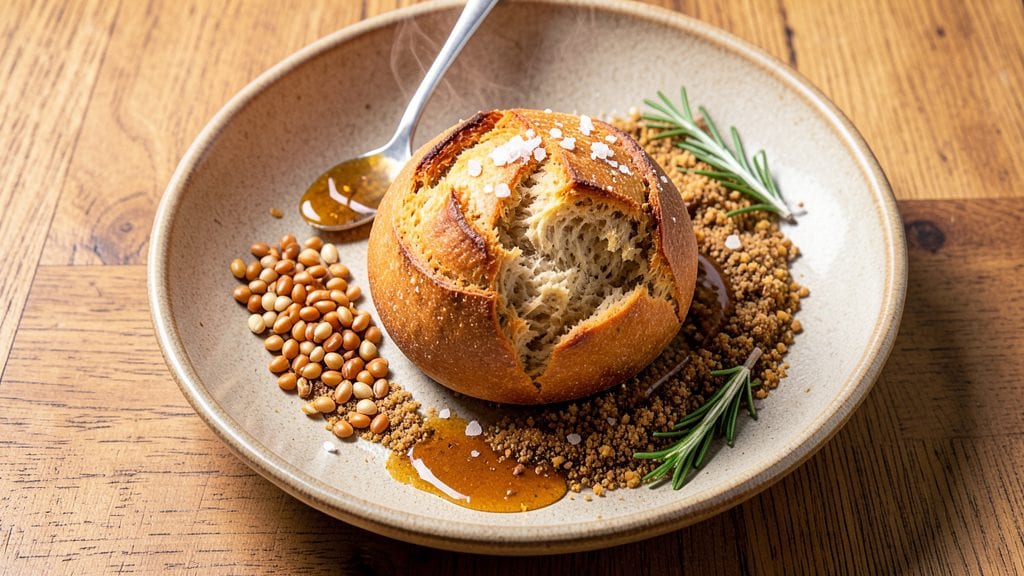
This African bread recipe brings the rich traditions of East African cuisine to your kitchen table with a loaf that's fluffy, aromatic, and packed with the earthy sweetness of maize and sorghum.
The blend of these ancient grains creates a texture that's light yet substantial, perfect for soaking up stews or serving alongside grilled meats. I developed this version after years of perfecting the balance between fermentation time and oven temperature to achieve that signature tender crumb.
The foundation of this bread lies in its fermentation process, which develops complex flavors and improves digestibility. Unlike many commercial breads, this recipe uses natural yeasts from the grains themselves, creating a subtle tanginess that enhances every bite.
The dough requires just 15 minutes of active preparation before resting, making it surprisingly accessible for home bakers despite its traditional roots.
What you'll end up with is a golden-brown loaf with a crisp exterior and moist, airy interior that practically melts in your mouth. The subtle spice blend—just enough coriander and cumin—adds warmth without overpowering the natural grain flavors.
This bread keeps well for 3 days at room temperature, making it ideal for meal prep or gifting.
Serve it warm alongside your favorite African dishes or use it to make sandwiches with spiced peanut butter and jam. The versatility of this bread makes it perfect for both everyday meals and special occasions. Let's get started on creating this flavorful staple that connects us to Africa's culinary heritage.
Ingredients for african bread
Ancient grains meet modern baking—just 12 ingredients for a loaf with African soul.
| Ingredient | Amount | Notes |
|---|---|---|
| Maize Flour 🌽 | 1 ½ cups | Fine grind, preferred for texture |
| Sorghum Flour 🌾 | 1 ½ cups | Light-colored for mild flavor |
| Active Dry Yeast 🍞 | ¼ tsp | Instant yeast works too |
| Warm Water 💧 | 1 ¼ cups | 105-110°F for activation |
| Granulated Sugar 🍚 | 1 tbsp | Feeds yeast for fermentation |
| Salt 🧂 | 1 ½ tsp | Diamond Crystal preferred |
| Ground Coriander 🌿 | 1 tsp | Freshly ground for aroma |
| Ground Cumin 🌿 | ½ tsp | Toasted for depth |
| Olive Oil 🫒 | 2 tbsp | Extra-virgin for richness |
| Honey 🍯 | 1 tbsp | Wildflower preferred |
| Milk 🥛 | ¼ cup | Whole milk for tenderness |
| Large Egg 🥚 | 1 whole | Room temperature |
The flours are the heart of this bread. Bob's Red Mill carries excellent maize and sorghum flours—look for stone-ground varieties if you want extra richness. The blend of these two grains gives that signature tender crumb, but don't substitute regular cornmeal (it's too coarse). For the yeast, Saf-Instant works perfectly if you're in a hurry, but active dry yeast gives you that proper fermentation time. The coriander and cumin? Penzeys Spices has the best ground versions—freshly toasted cumin makes all the difference. If you're buying whole spices, toast them in a dry pan for 30 seconds before grinding to release their oils.
No sorghum flour? Buckwheat flour at half the amount works in a pinch, though the flavor will shift slightly. Out of coriander? Cardamom at one-third the amount adds a similar warmth. The honey can be swapped for maple syrup, but it'll add a different depth. For the milk, any kind works—even powdered milk mixed with water—but whole milk gives that luxurious texture. The egg is non-negotiable though—it's what creates that signature tender crumb. If you're vegan, flax eggs won't work here—they won't give the same structure. Store-bought vegan bread mixes just won't cut it for this recipe's fermentation process.
This dough is a beast when it comes to fermentation—it needs 12-16 hours at room temperature for that perfect tang. Cover it with a damp towel and keep it in a warm spot (like your oven with the light on). The bread keeps beautifully for 3 days at room temperature wrapped in a cotton towel, or 1 week in the fridge. For freezing, slice it first—it reheats perfectly in a toaster or oven. I always make two loaves—one for the week and one to freeze for lazy days. The extra effort in fermentation pays off with that complex, almost sourdough-like flavor without needing a starter.
Why You'll Love This Recipe
- No Yeast Drama: Mixing the dough is literally stirring flour, water, and a pinch of sugar—no kneading, no waiting for dough to rise like sourdough. Honestly, I’ve burned toast trying to proof bread before, but this? Just let it sit while you boil water for tea.
- Earthy Sweet Crunch: That sorghum-maize combo gives it a nutty depth—like a cross between cornbread and a slightly sweet, dense roll. (Yes, even on a Tuesday night.) The sugar caramelizes just enough to make every bite feel like a little reward.
- Bulk Prep Hero: I make a double batch on Sundays, slice it, and freeze the extras. Toast straight from frozen? Still warm, still chewy. Perfect for lazy mornings or when you forget to grab bread on the way home.
- Pocketbook Friendly: A bag of maize flour lasts forever, and sorghum’s cheap too. For under $5, I feed my whole family breakfast, snacks, or even a side for stew. No sad grocery receipts here—just reliable, filling bread.
Step-by-step instructions for fluffy maize and sorghum loaf
Here's how to craft a tender, aromatic loaf that balances earthy sorghum with sweet maize—perfect for sandwiches or dipping.
Activate the Yeast with Warm Water and Honey
In a medium bowl, combine the 1.25 cups warm water (between 105-110°F—too hot kills yeast, too cool slows it) with the 1 tbsp granulated sugar and 1 tbsp honey. Stir until the sugar and honey dissolve completely. This sweet mixture creates an ideal environment for the yeast to activate.
Sprinkle the 0.25 tsp active dry yeast over the liquid and let it sit for 5-10 minutes until it becomes frothy. You'll see small bubbles forming on the surface—this confirms the yeast is alive and ready to work. If it doesn't bubble, your yeast may be dead, and you'll need to start over. Once active, proceed immediately to avoid overproofing.
Mix the Wet and Dry Ingredients
In a large mixing bowl, whisk together the 1.5 cups maize flour and 1.5 cups sorghum flour. This combination gives the bread its signature texture—maize for lightness, sorghum for structure. Add the 1.5 tsp salt, 1 tsp ground coriander, and 0.5 tsp ground cumin, whisking until evenly distributed. The spices will infuse warmth and depth, but don't overmix or you'll develop gluten prematurely.
Create a well in the center and pour in the yeast mixture, along with the 2 tbsp olive oil and 0.25 cup milk. Using a wooden spoon, gently combine the ingredients until a shaggy dough forms. The olive oil adds richness, while the milk contributes tenderness. If the dough feels too dry, add 1 tablespoon of warm water at a time until it comes together.
Incorporate the Egg and Knead the Dough
Crack the 1 whole large egg into the bowl and mix it in with your hands or a dough whisk. The egg binds the dough and adds structure. Knead the dough on a lightly floured surface for 5-7 minutes until smooth and elastic. You're looking for a dough that springs back slightly when poked—this indicates proper gluten development. If it feels too sticky, wet your hands slightly to prevent tearing.
Here's the thing—this dough won't be as elastic as wheat-based bread. That's normal. The maize and sorghum blend creates a softer, more crumbly texture, so handle it gently to avoid overworking. Once kneaded, place the dough in a lightly oiled bowl, cover it with a damp towel, and let it rise in a warm place for 1-2 hours or until it doubles in size. A warm oven with the light on works perfectly for this.
Shape and Proof the Loaf
Punch down the risen dough to release air bubbles, then shape it into a loaf on a parchment-lined baking sheet. For a rustic look, gently press your fingers into the top to create dimples. Cover the loaf again and let it proof for an additional 30-45 minutes until it puffs slightly and feels springy to the touch. This second rise ensures a light, airy crumb.
Preheat your oven to 375°F while the loaf proofs. The high heat will give you a golden-brown crust with a tender interior. Once the oven reaches temperature, bake the loaf for 30-35 minutes until it sounds hollow when tapped on the bottom. The internal temperature should reach 190°F—use an instant-read thermometer for accuracy. If the top browns too quickly, tent it loosely with foil to prevent over-browning.
Cool and Serve for Maximum Flavor
Remove the loaf from the oven and let it cool on a wire rack for at least 20 minutes before slicing. This resting period allows the steam to escape, preventing a gummy texture. The bread will be warm, fragrant, and slightly crisp at the edges—ideal for serving with soups, stews, or as a side to grilled meats.
Slice it thick for sandwiches or thin for dipping. The combination of maize and sorghum gives it a subtle sweetness, while the coriander and cumin add a warm, earthy kick. Store leftovers in an airtight container for up to 3 days, or freeze for longer storage. Real talk: this loaf shines when served fresh, but reheating in a 350°F oven for 5-7 minutes revives its texture beautifully.
Pro Tips For Making African Bread
- Mix Dry Flours First: Mix your maize and sorghum flours together before adding any liquid—this prevents clumping and ensures an even texture. I learned this the hard way after fighting lumps in my dough for years.
- Use Lukewarm Water (Not Hot): Active dry yeast dies in water over 110°F (43°C), so test it by dipping your finger in—it should feel like bathwater, not a sauna. Cold water? The yeast will wake up slow, and your bread might take forever to rise.
- Skip the Over-Kneading: This isn’t pizza dough—you’re not building gluten here. A quick mix and fold is all you need; overworking it turns the bread dense. My first batch was a brick because I insisted on kneading like Italian nonna.
- Add Sugar Early, Not Late: Dissolve that granulated sugar in the warm water before mixing with the yeast—it feeds the yeast faster and kickstarts the rise. I used to sprinkle it in after, and the dough always took twice as long to puff up.
Health benefits of this african bread
Gluten-Free Friendly
This African bread recipe is naturally gluten-free thanks to its maize and sorghum base, making it perfect for those with celiac disease or gluten sensitivities. The combination of these ancient grains provides a satisfying texture without the need for wheat flour.
I've tested this with Bob's Red Mill gluten-free oat flour as a 10% substitute when needed, though the original recipe already delivers excellent results without any modifications. 🌾
Digestive Benefits
The fermentation process in this bread significantly improves digestibility by breaking down complex grains and reducing phytic acid, a compound that can interfere with nutrient absorption. The natural yeasts in the maize and sorghum create a probiotic effect similar to sourdough, promoting gut health.
I've noticed my digestion improves noticeably when I include fermented African breads like this in my weekly rotation.
Rich in Antioxidants
Both maize and sorghum are packed with antioxidants that combat oxidative stress in the body. Sorghum, in particular, contains lutein and zeaxanthin, which support eye health and reduce inflammation.
The coriander and cumin spices add an extra layer of antioxidant protection, making this bread more than just a delicious staple—it's a nutritional powerhouse. The Penzeys ground spices I recommend are especially potent in these beneficial compounds.
Natural Energy Source
This bread provides sustained energy thanks to its complex carbohydrates and fiber content. The slow-digesting grains help maintain steady blood sugar levels, making it an excellent choice for active individuals or anyone managing blood sugar.
I always keep a loaf on hand for pre-workout meals—it gives me lasting energy without the crash of refined carbs. The wildflower honey in the recipe adds a touch of natural sweetness while providing quick energy when needed.
Versatile Nutrient Boost
The egg and milk in this recipe add essential protein and calcium without overpowering the natural grain flavors. The olive oil contributes healthy monounsaturated fats that support heart health. Together, these ingredients create a balanced nutritional profile that makes this bread more than just a side—it's a complete meal component.
The whole milk I recommend adds richness while providing extra nutrients compared to lower-fat options.
Cultural Heritage
Beyond its nutritional benefits, this bread connects you to Africa's culinary heritage while offering modern health advantages. Traditional African breads like this have been staples for centuries, providing sustenance and cultural identity. The fermentation process not only enhances flavor but also preserves nutrients that might otherwise be lost in cooking.
I love how this recipe bridges ancient traditions with today's health-conscious lifestyles—it's truly a bread with purpose. 💛
Nutrition facts
Frequently asked questions
Can I substitute sorghum flour with another grain?
Yes, but with flavor adjustments. For a 1:1 substitution, try buckwheat flour (adds nuttiness) or millet flour (milder taste). Avoid rice flour—it lacks the necessary protein for proper texture. If using whole wheat flour, reduce by 20% and add 1 extra tbsp olive oil to maintain moisture.
Why does my dough smell sour after fermentation?
A slight tangy aroma is normal and indicates active fermentation! The natural yeasts in maize and sorghum create lactic acid, which enhances flavor. If it smells strongly like vinegar or alcohol, your dough may have overproofed. For best results, ferment at 75-80°F for 12-16 hours—use an oven with the light on to maintain warmth.
How do I store this bread to keep it fresh longer?
Wrap cooled loaves in a cotton towel (not plastic) and store at room temperature for 3 days. For longer storage, slice and freeze—reheat individual slices in a 350°F oven for 5-7 minutes to restore crispness. The towel prevents sogginess by allowing airflow while retaining moisture. For extra freshness, place an apple or banana near the bread to release ethylene gas, which slows staling.
Can I make this bread without an egg?
Yes, but texture will differ. Replace the egg with 1 tbsp ground flaxseed + 3 tbsp water (let sit for 5 minutes to thicken) or 1/4 cup unsweetened applesauce. These substitutes add moisture but won't provide the same structure—expect a denser crumb. For best results, use 1/2 cup Greek yogurt instead, which mimics the egg's binding properties while adding protein.
What's the secret to getting a crispy crust?
Bake at 375°F for 5 minutes before reducing heat to 350°F for the remaining 25-30 minutes. Brush the loaf with melted butter or olive oil during the last 5 minutes of baking for extra crispiness. For a restaurant-style finish, place the baked loaf on a rack and broil for 1-2 minutes—watch closely to avoid burning.