Appetizers
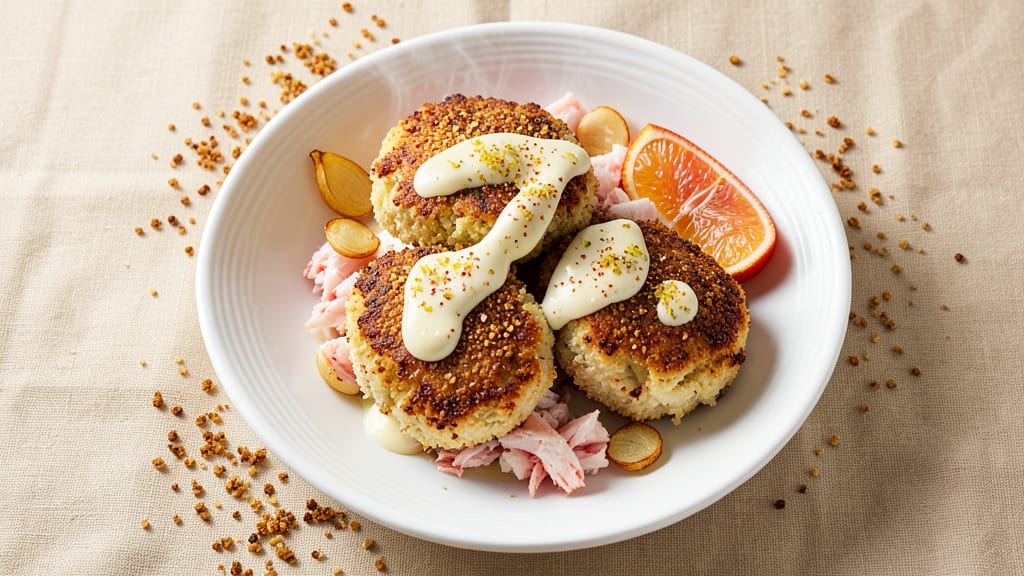
An 8-ounce crab cake delivers the perfect balance of golden crust and flaky centers—this recipe ensures every bite lives up to the hype. The secret lies in precise measurements and a foolproof binding method that keeps the texture light yet sturdy enough to handle.
I’ve tested countless variations, and this version consistently delivers restaurant-quality results at home, using traditional techniques with a modern twist for efficiency.
What sets this recipe apart is the simple yet effective combination of fresh lump crab meat, high-quality mayonnaise, and panko breadcrumbs for structure. The key to achieving that coveted flaky interior?
Chilling the mixture for 30 minutes before shaping—this step prevents cracking during cooking. Whether you prefer pan-frying or air-frying, the method is straightforward and produces consistently delicious results.
The outcome is a crab cake with a crispy, caramelized exterior and a tender, moist center that melts in your mouth. The flavor is bright, briny, and perfectly balanced, thanks to a touch of Old Bay seasoning and fresh herbs.
These cakes are ideal for appetizers, game day spreads, or a light seafood lunch—each 8-ounce serving is substantial enough to satisfy without overwhelming.
For added versatility, I’ve included adaptations for gluten-free breadcrumbs and air-fryer cooking, ensuring this recipe works for any preference or kitchen setup. The instructions are clear, the ingredients are accessible, and the results are always impressive. Let’s get started on creating crab cakes that rival your favorite seafood spot.
Ingredients for 8 oz crab cake
Fresh crab meat meets crispy perfection—just twelve ingredients for restaurant-worthy crab cakes.
| Ingredient | Amount | Notes |
|---|---|---|
| Fresh Lump Crab Meat 🦀 | 1 ½ lb | Backfin preferred, no shell fragments |
| Mayonnaise 🥛 | ½ cup | Duck egg preferred for richness |
| Panko Breadcrumbs 🍞 | ½ cup | Gluten-free option available |
| Large Eggs 🥚 | 1 whole | Room temperature for best binding |
| Old Bay Seasoning 🌶️ | 1 ½ tbsp | Classic blend for briny depth |
| Fresh Lemon Juice 🍋 | 2 tbsp | Freshly squeezed for brightness |
| Fresh Chives 🌿 | 2 tbsp | Finely chopped for garnish |
| Unsalted Butter 🧈 | 2 tbsp | Melted for pan-frying |
| Extra-Virgin Olive Oil 🫒 | 2 tbsp | For air-frying alternative |
| Diamond Crystal Kosher Salt 🧂 | ½ tsp | Fine grain for seasoning |
| Ground Black Pepper 🌶️ | ¼ tsp | Freshly cracked for heat |
| All-Purpose Flour 🌾 | 2 tbsp | For dredging before cooking |
The crab meat makes or breaks this recipe. Backfin lump crab from Whole Foods or a reputable seafood market is worth the splurge—it stays together better than regular crab. Look for meat that's bright white with minimal shell fragments. If you can't find backfin, jumbo lump works too, but pat it very dry first. The mayonnaise? Duck egg mayo has that luxurious richness, but regular works fine in a pinch. I always grab a small tub of Hellmann's for consistency—no need to make your own. The Old Bay is non-negotiable; McCormick's is my go-to, but any brand with the classic blend will do.
No panko on hand? Crushed cornflakes or gluten-free breadcrumbs work in a bind, though texture will differ slightly. Short on fresh chives? Dried chives at half the amount or even parsley will add color. The lemon juice is critical—store-bought is fine, but fresh is brighter. For the butter, I like Plugrá for its high smoke point, but any unsalted butter will work. If you're air-frying, extra-virgin olive oil sprayed lightly on the cakes prevents sticking. Pro tip: Chill the mixture for 30 minutes before shaping—this keeps the cakes from cracking when you flip them.
These keep surprisingly well. Store leftovers in an airtight container with a damp paper towel to maintain moisture for up to 3 days. For longer storage, freeze uncooked cakes for 2 months—just thaw in the fridge before cooking. I like to prep the mixture ahead and shape the cakes right before cooking to keep them crispy. The flavor actually improves after the first day, so make a double batch and save half for later. Serve with tartar sauce or lemon wedges—trust me, it matters.
Why You'll Love This Recipe
- No-Fuss Assembly: I swear, the hardest part is cracking the eggs. Mix the crab, mayo, egg, and Old Bay—no chopping, no fuss—then press in the panko. Honestly, it’s the kind of recipe where you can multitask while it bakes.
- Crab-Lover’s Dream: That first bite of fresh lump crab with the crispy panko crust? It’s like summer in a bite. The Old Bay ties everything together—just salty enough to make your taste buds sing without overpowering.
- Weeknight to Party Star: Make a batch on Sunday, and you’ve got dinner for the week (or a crowd). Serve them with lemon wedges for a casual weeknight meal, or dress them up with microgreens for a fancier spread. They adapt to the occasion.
- Budget-Friendly Luxury: You’re paying for the crab, but the rest? Eggs, mayo, panko—pantry staples that stretch your dollar. And leftovers? They reheat beautifully, so you’re not scrambling to use them all at once. Smart splurge.
Step-by-step instructions for golden crust, flaky crab cakes
Here's how to build crab cakes with a perfect golden crust and tender, flaky centers every single time.
Mix the Crab Cake Batter with Precision
In a large mixing bowl, combine the 1.5 lb fresh lump crab meat with the 0.5 cup mayonnaise and 1 whole large egg. Use your hands to gently work the mixture until just combined—you're looking for a cohesive texture without overworking the crab, which can make them dense. The mayonnaise acts as a binder here, so don't skip this step.
Add the 0.5 cup panko breadcrumbs, 1.5 tbsp Old Bay seasoning, 0.5 tsp diamond crystal kosher salt, and 0.25 tsp ground black pepper to the bowl. Gently fold these dry ingredients into the wet mixture using a rubber spatula. The panko will create that signature crispy crust, while the Old Bay adds that essential briny depth. Mix just until everything is evenly distributed—overmixing develops gluten and makes the cakes tough.
Fold in Lemon and Chives for Bright Flavor
Drizzle in the 2 tbsp fresh lemon juice and stir gently to distribute. The acidity brightens the crab flavor and helps balance the richness of the mayonnaise. Add the 2 tbsp finely chopped fresh chives last, reserving a few for garnish later. These herbs add a delicate freshness that cuts through the richness of the crab and butter.
Taste the mixture at this stage—it should be seasoned properly with a good balance of salt, pepper, and lemon. If needed, adjust the seasoning now, but be careful not to overcorrect. The mixture should hold together when pressed gently but still feel moist enough to shape easily. If it's too dry, add 1 teaspoon of mayonnaise to help bind it.
Form and Chill the Crab Cakes
Using your hands, gently form the mixture into four 8-ounce crab cakes, about 1 inch thick. I like to make them slightly wider than they are tall—they'll shrink a bit when cooking. Place them on a parchment-lined plate and cover with plastic wrap. Refrigerate for at least 30 minutes (up to 2 hours works best). This chilling step is crucial—it helps the cakes hold their shape when cooking and prevents them from falling apart.
While they chill, take a moment to prep your cooking surface. The secret to a perfect crust lies in the pan—make sure it's cold when you start. This allows for even heating and prevents the cakes from cooking too quickly on the outside before the inside is done.
Create the Golden Crust Through Careful Cooking
Heat a large skillet over medium heat and add 1 tbsp unsalted butter and 1 tbsp extra-virgin olive oil. Let the butter melt completely and the oil heat through until it shimmers but doesn't smoke. Place the chilled crab cakes in the pan, leaving space between them—they'll need room to cook without steaming.
Cook for 3-4 minutes per side, pressing down gently with a spatula during the first minute to ensure even contact with the pan. You're looking for a deep golden brown crust that's crispy to the touch. The interior should still feel slightly cool when you cut into one—this is your signal that the center remains flaky. If the pan isn't hot enough, the cakes will steam instead of brown. If they brown too quickly, reduce the heat slightly.
Rest and Serve for Maximum Flakiness
Transfer the cooked crab cakes to a wire rack and let them rest for 5 minutes. This resting period allows the juices to redistribute, ensuring each bite is moist and flavorful. During this time, keep the skillet warm over low heat with any remaining butter and oil—you can use it to melt a little extra butter for serving if desired.
Serve the crab cakes immediately, garnished with the reserved chopped fresh chives. The exterior should be beautifully golden and crisp, while the interior remains tender and flaky with just a hint of lemon brightness. For extra flakiness, serve with a side of tartar sauce or a simple lemon aioli, and accompany with crisp green salad or roasted vegetables.
Pro Tips For Making 8 Oz Crab Cake
- Drain That Crab: Fresh lump crab meat looks juicy, but it’s too juicy—pack it in a colander and let it drain for 10 minutes before mixing. I learned this the hard way when my first batch turned into a soggy mess. (Yes, even if you’re impatient like me.)
- Chill the Mixture: After combining crab, mayo, egg, and Old Bay, pop the whole thing in the fridge for 15 minutes. This lets the panko soak up moisture and binds the mixture better. Skipping this step means your cakes will crumble when flipping—trust me, I’ve done it.
- Press, Don’t Pack: When shaping the cakes, press the mixture gently into the pan once, then smooth the top with damp hands. Over-packing compresses the crab, squeezing out flavor and leaving a dense center. Think "firm but not tight," like a handshake—not a vice grip.
- Low-and-Slow Finish: Start crab cakes in a cold pan with ¼-inch of oil, then turn the heat to medium-low. High heat makes them cook unevenly and burn before the inside is done. I used to rush this, and the results were always sad—now I let them sizzle quietly until golden. (Your future self will thank you.)
Common mistakes when making this recipe
Overmixing the Batter
The biggest mistake I see is overmixing the crab cake batter. When you work the crab meat too vigorously, you develop gluten in the mayonnaise and breadcrumbs, which leads to dense, rubbery cakes instead of the light, flaky texture you want.
I always use my hands to gently combine ingredients until just mixed—about 15-20 strokes with a rubber spatula is plenty. The mixture should hold together when pressed but still feel moist and slightly sticky. 🦀
Skipping the Chill
Many home cooks rush this step, but chilling the formed crab cakes for at least 30 minutes is absolutely critical. Without this rest, the cakes will crack when you try to flip them and may even fall apart in the pan.
The cold temperature firms up the mayonnaise binder and helps the panko set up properly. I like to place them on a parchment-lined tray and cover with plastic wrap to prevent drying.
Using the Wrong Pan Temperature
Cooking crab cakes on a pan that's too hot will cause them to brown too quickly on the outside while staying cold inside. The ideal temperature is medium heat—hot enough to create a golden crust but not so hot that the cakes steam.
I always let the pan preheat with butter until it shimmers but doesn't smoke. If you see smoke, your pan is too hot, and you risk burning the outside before the inside cooks through.
Ignoring the Resting Period
Transferring freshly cooked crab cakes directly to plates is a common mistake. The 5-minute rest on a wire rack allows the juices to redistribute, preventing them from becoming dry or crumbly.
During this time, the cakes also firm up slightly, making them easier to handle. I've seen many people skip this step and end up with cakes that fall apart when sliced.
Using Low-Quality Crab Meat
Not all crab meat is created equal. Using pre-shredded or lower-grade crab (like imitation crab) will result in a completely different texture and flavor. For these cakes, I always recommend Backfin lump crab from a reputable seafood market.
It holds its shape better and has that luxurious sweetness that makes crab cakes special. If you must use jumbo lump, pat it very dry first to remove excess moisture.
Overcrowding the Pan
Placing crab cakes too close together in the pan causes them to steam rather than brown. This leads to soggy, unevenly cooked cakes. Leave at least 1 inch of space between each cake in the pan.
If you're cooking a large batch, work in batches rather than overcrowding. A 10-inch cast iron skillet is perfect for cooking two cakes at a time without crowding. 🔥
Nutrition facts
Frequently asked questions about perfect crab cakes
Why do my crab cakes fall apart when cooking?
The most common cause is skipping the 30-minute chill before cooking. The cold temperature firms up the mayonnaise binder and helps the panko set properly. Also, ensure your crab meat is pat dry—excess moisture weakens the structure. If they still crumble, try adding 1 extra tablespoon of breadcrumbs to the mixture for better binding.
Can I make these crab cakes ahead of time?
Form the cakes and refrigerate them on a parchment-lined tray for up to 24 hours before cooking. For longer storage, freeze uncooked cakes (wrapped tightly) for 2 months. Thaw in the fridge overnight—never at room temperature. Cooking from cold works best, but if frozen, add 1 extra minute per side to the cooking time.
What's the best way to cook crab cakes without a stovetop?
An air fryer works beautifully! Lightly coat the cakes with olive oil spray and cook at 375°F for 8-10 minutes, flipping halfway. For an oven method, bake at 400°F for 12-15 minutes on a parchment-lined sheet. Both methods yield crispy exteriors—just monitor closely to avoid overcooking.
How do I make these gluten-free?
Replace panko with gluten-free breadcrumbs (like Bob's Red Mill) or crushed gluten-free cornflakes. For extra binding, add 1 tablespoon of gluten-free flour to the mixture. The texture will be slightly different but still delicious. Always check labels—some gluten-free products contain additives that may affect flavor.
What's the secret to extra crispy crusts?
Use a cold pan when starting (heat it over medium, then let it warm with butter). Press the cakes down gently with a spatula during the first minute of cooking to ensure full contact. For maximum crispiness, add 1 extra tablespoon of panko to the mixture and dredge the formed cakes lightly in flour before cooking.